
 LU konference
This experience has changed my life
Elza Brundzule, a student of the UL Faculty of Humanities
Participated in the ERASMUS exchange programme in Tallinn, Estonia “My initial plan of participating in the exchange programme was to completely focus on studies. I wanted to experience and find out what does it mean to study at a university abroad. Being a 3rd-year English philology student, I knew that the ERASMUS programme was a perfect opportunity to communicate with other students in English. When I arrived in Tallinn and met other ERASMUS exchange students, I realized that this experience would be more than just studies. I must admit that the ERASMUS programme has absolutely changed my life. It has given me the whole new study experience abroad, a chance of living in a different country and meeting other students. Sometimes, amusing incidents and misunderstandings would occur with students because of the English language knowledge and words with similar spelling or pronunciation in different languages. In my case, the enrolment for the ERASMUS programme was rather tough, but that wasn’t the biggest challenge. In Tallinn, I met foreign students from different countries who entered the exchange programme without many difficulties but later experienced problems with understanding what was being said during lectures because of their bad English.” In Greece ‘yes’ means ‘no’ Ieva Zilberte, a student of the UL Faculty of Pedagogy, Psychology and Art
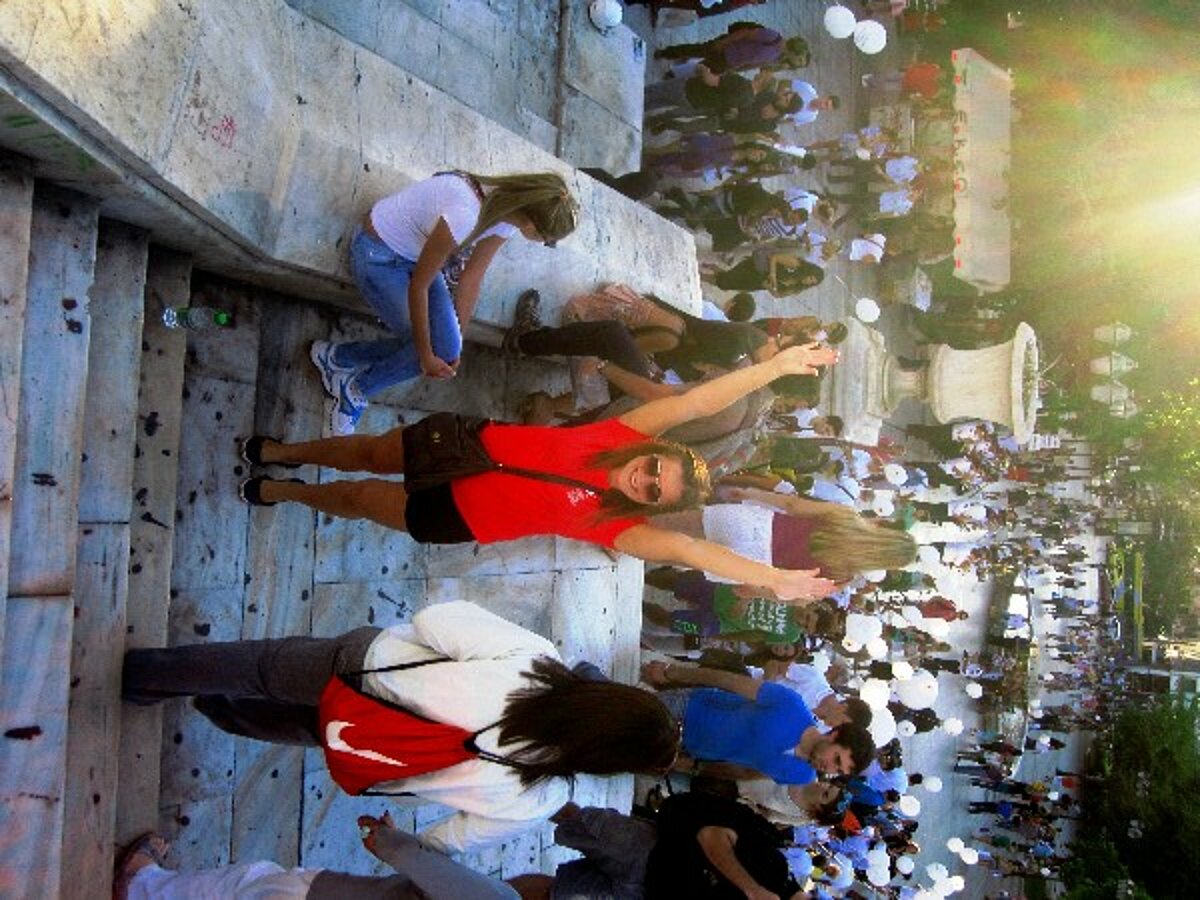
Participated in the ERASMUS exchange programme in Athens, Greece “At the moment, I am a 4th-year student of the interior design at the UL. Last year during the autumn semester of my studies, I went to Athens, Greece. I have wanted to participate in an exchange programme from the first years of my studies. Unfortunately, there were no exchange agreements signed with other universities in Europe for the study programme Art at that moment. Therefore, I approached both the study assistant and the study programme director and came forward with the list of universities of my own choice. In the end, an exchange programme agreement was signed with one of the universities in Athens, Greece, which, in my case, was the only country to go. I wanted to gain new experience and have some changes in my life. Moreover, being away was a great chance to look at different developments in Latvia from a distance. Due to economic recession in Greece and also because of strikes, a number of lectures did not take place. For instance, employees of the public transport sector at times were on strike for as many as 48 hours. In Greece, I had some interesting and amusing incidents because of the Greek language and its peculiarities. For instance, ‘yes’ in Greek is ‘no’ (nai) and ‘no’ is ‘ohi’ (όχι). Unfortunately, there were some other language problems I had to deal with. According to the information provided by the university, I believed that lectures would be given in English. However, it turned out that I was the only ERASMUS student in my study programme and therefore the majority of lectures were delivered in Greek. In order to fulfil the academic requirements, I had to approach my lecturers separately and communicate with them in English or ask my group mates for help. Getting into the exchange programme was not difficult; it all depends on a student’s will to find and get in touch with the preferred university. Feel free to approach both the study assistant and the director of the study programme, and contact the university abroad in order to complete all the formalities for signing the exchange programme agreement. There are also some application forms to be filled in and a presentation to be made. In their presentation, the students have to explain why they want to go on the exchange programme and why they are the one to be selected. For students, this is a lifetime opportunity, so make sure you also apply for it!” Experience, self-discipline and love Jūlija Boikova, a student of the UL Faculty of Humanities
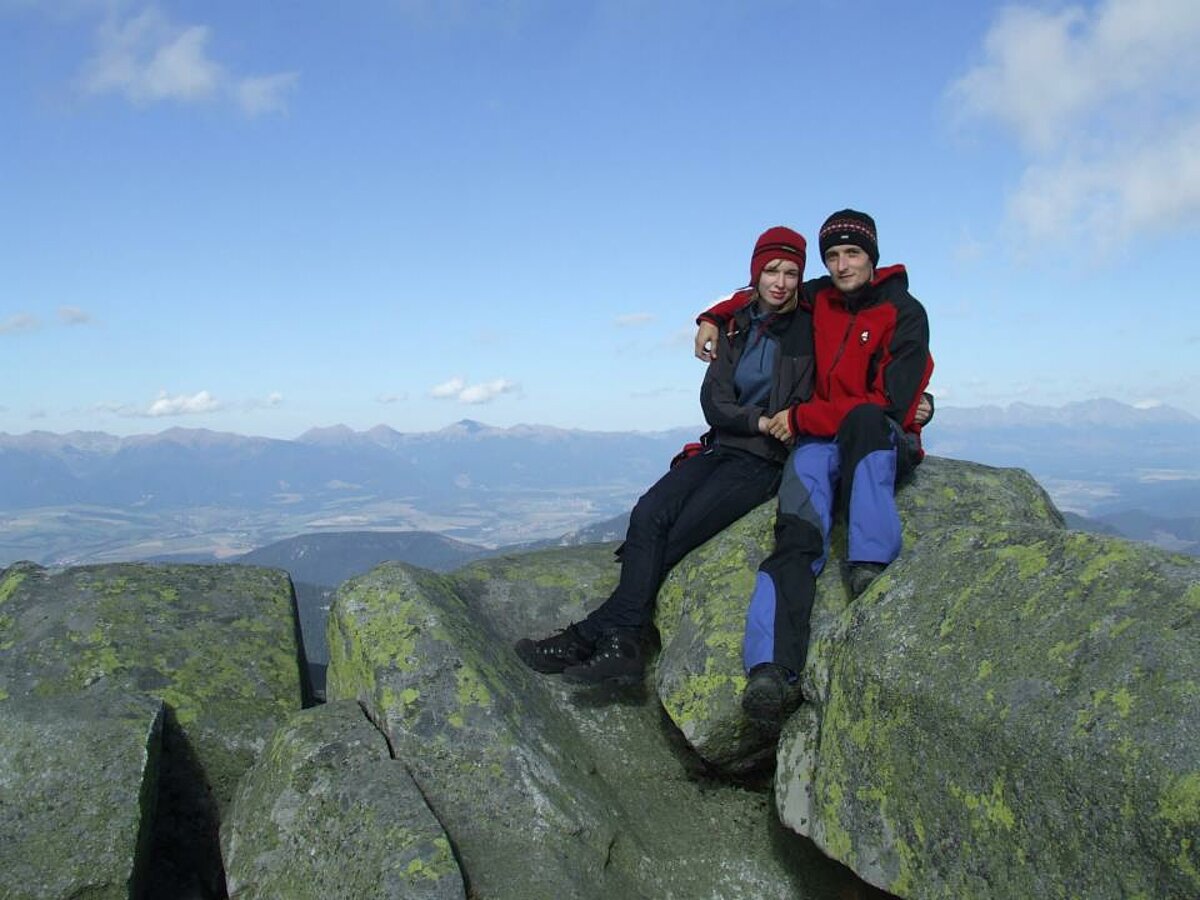
Participated in the ERASMUS exchange programme in Krakow, Poland “I am a 2nd-year student of the UL Faculty of Russian Philology. I have taken part in the ERASMUS exchange programme and gone to the Jagiellonian University in Krakow, Poland. Before setting off on the exchange programme, I had the ‘usual’ set of goals on my mind: getting acquainted with the system of studies abroad and improving the knowledge of the foreign languages. After a while I realized that there was much more to accomplish. I wanted to know whether the chosen study programme was right for me, how good I was at planning my studies and taking responsibility for my daily needs and whether I would be able to communicate in Polish if there was a problem to solve. I was rather late with submitting my application for the programme, and when I received a positive answer, I felt even scared because now I had to think how to manage my studies and whether my Polish was good enough. If you are good at studies and know some foreign language, getting into the ERASMUS exchange programme will pose no problems for you. The exchange programme was quite an adventure! Soon after I came to Krakow, I met and fell in love with a boy from Slovakia, who had been studying in Poland already for 6 years at the moment. He became my helping hand and best friend. Thanks to him, I have learned so much about Poland and Slovakia; he encouraged me to speak Polish and, without hesitation, I started my Slovak language classes as well. Together with him, we have travelled to Slovakia 4 times. Climbing the Low Tatras range and the highest mountain Ďumbier (2,043 m) was the most exciting part of my trip to Slovakia, because it was there that I climbed mountains for the first time in my life. Speaking of the Polish people, it has to be mentioned that they are extremely friendly, helping and very cheerful. They have asked me lots of questions about life and studies in Latvia with a truly genuine interest. To conclude with, I would like to praise the Jagiellonian University for taking an active part in arranging entertainment activities for students: in cooperation with some clubs and coffee-bars in Krakow, different events were always arranged and students never felt puzzled over what to do in their leisure time.”
Translated by students of the professional study programme Translator of the University of Latvia.
Participated in the ERASMUS exchange programme in Tallinn, Estonia “My initial plan of participating in the exchange programme was to completely focus on studies. I wanted to experience and find out what does it mean to study at a university abroad. Being a 3rd-year English philology student, I knew that the ERASMUS programme was a perfect opportunity to communicate with other students in English. When I arrived in Tallinn and met other ERASMUS exchange students, I realized that this experience would be more than just studies. I must admit that the ERASMUS programme has absolutely changed my life. It has given me the whole new study experience abroad, a chance of living in a different country and meeting other students. Sometimes, amusing incidents and misunderstandings would occur with students because of the English language knowledge and words with similar spelling or pronunciation in different languages. In my case, the enrolment for the ERASMUS programme was rather tough, but that wasn’t the biggest challenge. In Tallinn, I met foreign students from different countries who entered the exchange programme without many difficulties but later experienced problems with understanding what was being said during lectures because of their bad English.” In Greece ‘yes’ means ‘no’ Ieva Zilberte, a student of the UL Faculty of Pedagogy, Psychology and Art
Participated in the ERASMUS exchange programme in Athens, Greece “At the moment, I am a 4th-year student of the interior design at the UL. Last year during the autumn semester of my studies, I went to Athens, Greece. I have wanted to participate in an exchange programme from the first years of my studies. Unfortunately, there were no exchange agreements signed with other universities in Europe for the study programme Art at that moment. Therefore, I approached both the study assistant and the study programme director and came forward with the list of universities of my own choice. In the end, an exchange programme agreement was signed with one of the universities in Athens, Greece, which, in my case, was the only country to go. I wanted to gain new experience and have some changes in my life. Moreover, being away was a great chance to look at different developments in Latvia from a distance. Due to economic recession in Greece and also because of strikes, a number of lectures did not take place. For instance, employees of the public transport sector at times were on strike for as many as 48 hours. In Greece, I had some interesting and amusing incidents because of the Greek language and its peculiarities. For instance, ‘yes’ in Greek is ‘no’ (nai) and ‘no’ is ‘ohi’ (όχι). Unfortunately, there were some other language problems I had to deal with. According to the information provided by the university, I believed that lectures would be given in English. However, it turned out that I was the only ERASMUS student in my study programme and therefore the majority of lectures were delivered in Greek. In order to fulfil the academic requirements, I had to approach my lecturers separately and communicate with them in English or ask my group mates for help. Getting into the exchange programme was not difficult; it all depends on a student’s will to find and get in touch with the preferred university. Feel free to approach both the study assistant and the director of the study programme, and contact the university abroad in order to complete all the formalities for signing the exchange programme agreement. There are also some application forms to be filled in and a presentation to be made. In their presentation, the students have to explain why they want to go on the exchange programme and why they are the one to be selected. For students, this is a lifetime opportunity, so make sure you also apply for it!” Experience, self-discipline and love Jūlija Boikova, a student of the UL Faculty of Humanities
Participated in the ERASMUS exchange programme in Krakow, Poland “I am a 2nd-year student of the UL Faculty of Russian Philology. I have taken part in the ERASMUS exchange programme and gone to the Jagiellonian University in Krakow, Poland. Before setting off on the exchange programme, I had the ‘usual’ set of goals on my mind: getting acquainted with the system of studies abroad and improving the knowledge of the foreign languages. After a while I realized that there was much more to accomplish. I wanted to know whether the chosen study programme was right for me, how good I was at planning my studies and taking responsibility for my daily needs and whether I would be able to communicate in Polish if there was a problem to solve. I was rather late with submitting my application for the programme, and when I received a positive answer, I felt even scared because now I had to think how to manage my studies and whether my Polish was good enough. If you are good at studies and know some foreign language, getting into the ERASMUS exchange programme will pose no problems for you. The exchange programme was quite an adventure! Soon after I came to Krakow, I met and fell in love with a boy from Slovakia, who had been studying in Poland already for 6 years at the moment. He became my helping hand and best friend. Thanks to him, I have learned so much about Poland and Slovakia; he encouraged me to speak Polish and, without hesitation, I started my Slovak language classes as well. Together with him, we have travelled to Slovakia 4 times. Climbing the Low Tatras range and the highest mountain Ďumbier (2,043 m) was the most exciting part of my trip to Slovakia, because it was there that I climbed mountains for the first time in my life. Speaking of the Polish people, it has to be mentioned that they are extremely friendly, helping and very cheerful. They have asked me lots of questions about life and studies in Latvia with a truly genuine interest. To conclude with, I would like to praise the Jagiellonian University for taking an active part in arranging entertainment activities for students: in cooperation with some clubs and coffee-bars in Krakow, different events were always arranged and students never felt puzzled over what to do in their leisure time.”
Translated by students of the professional study programme Translator of the University of Latvia.
