
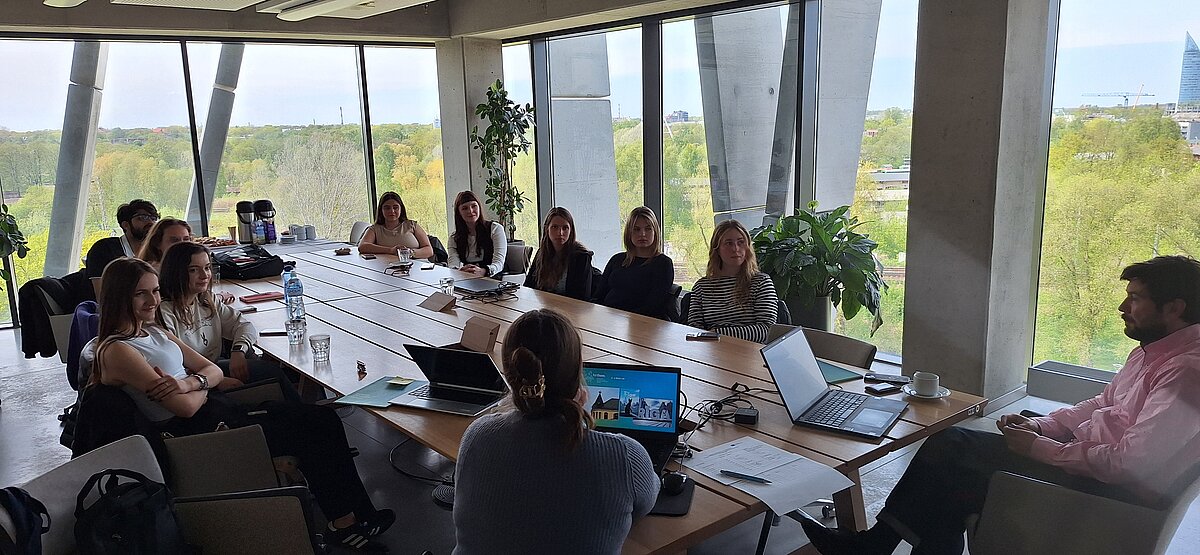
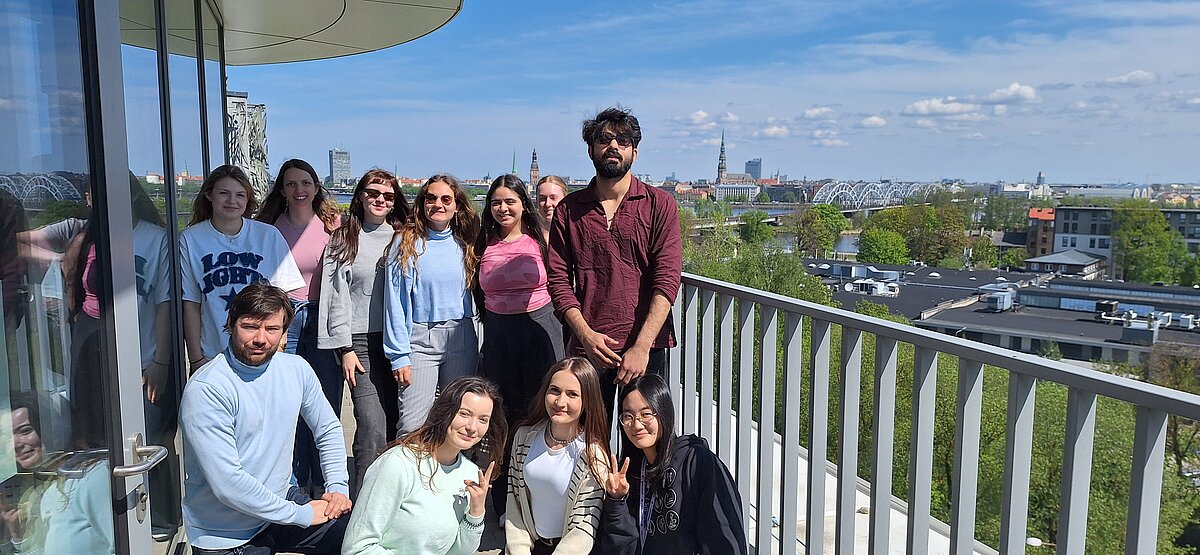
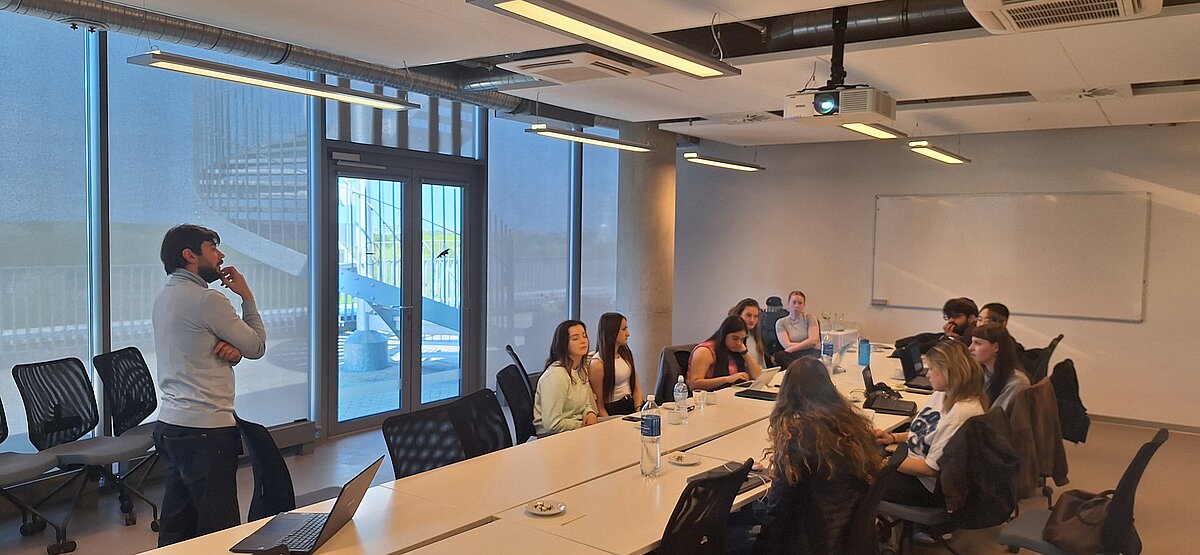
The five-day programme focused on the complex relationship between urban environments and animal rights, with particular attention given to the role of social movements in advocating for stray animals. Participants explored the impact of urban spaces on stray animal populations, discussed human–animal relations in contemporary cities, and examined various approaches to addressing animal welfare issues.
Throughout the programme, students gained theoretical knowledge through lectures and discussions while also developing practical skills during workshops and field activities. The lecture series covered topics such as “The Animal in the City”, “Social Movements as a Voice for Global Justice”, “Animal Rights Advocacy: The Power of Collective Meows”, and “Theory of Change and the Development of Evidence-Based Initiatives”.
Special emphasis was placed on practical engagement. During workshops, students analysed global and local challenges related to urban animal welfare, worked on developing evidence-based social justice initiatives, and generated ideas for potential community projects. In the discussion session “Political Choice and Biopower”, participants critically examined the impact of political decision-making on human and animal coexistence in urban settings.
As part of the programme, students also visited the REMI cat shelter, where they gained insight into the daily work of animal rescue and care, while discussing the role of non-governmental organisations in promoting animal welfare. Participants also had the opportunity to discover Riga during a guided tour of the Old Town.
Students evaluated the programme positively, highlighting the opportunity to discuss socially significant issues in an international environment.
The programme encouraged interdisciplinary dialogue and inspired participants to think about sustainable and socially meaningful solutions in the field of urban animal welfare. It clearly reflected the spirit of collaboration, critical thinking, and international academic community fostered by the FORTHEM Alliance, while also demonstrating the University of Latvia’s active commitment to raising awareness of issues of public importance.
