
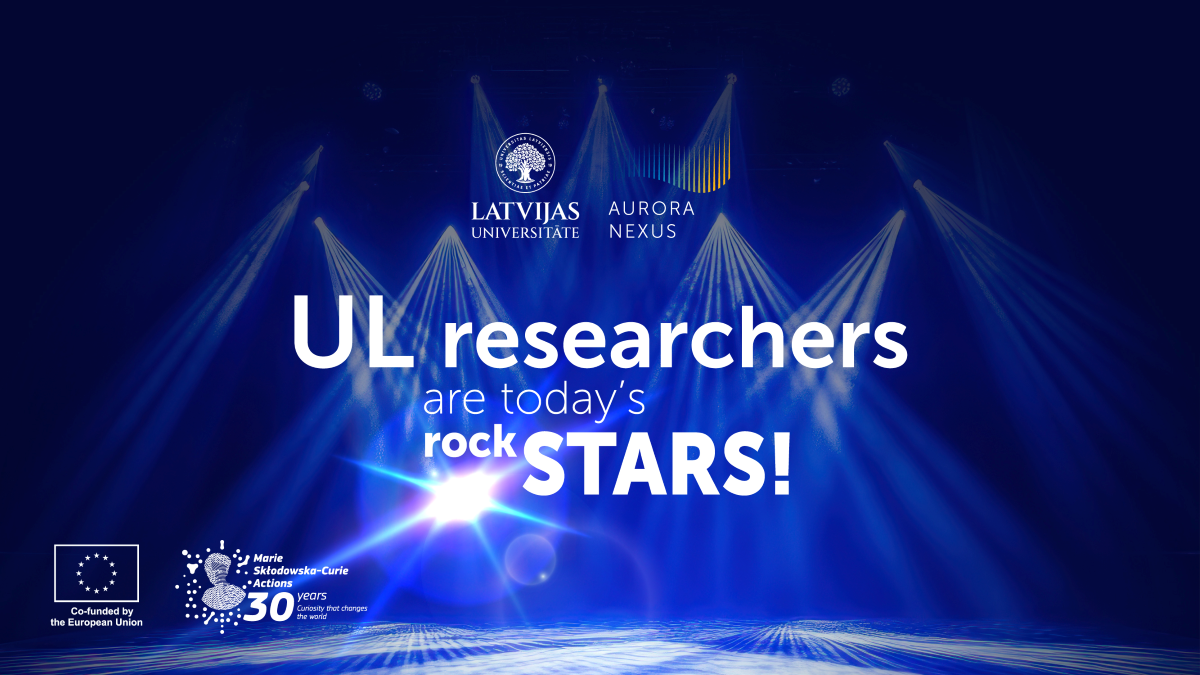
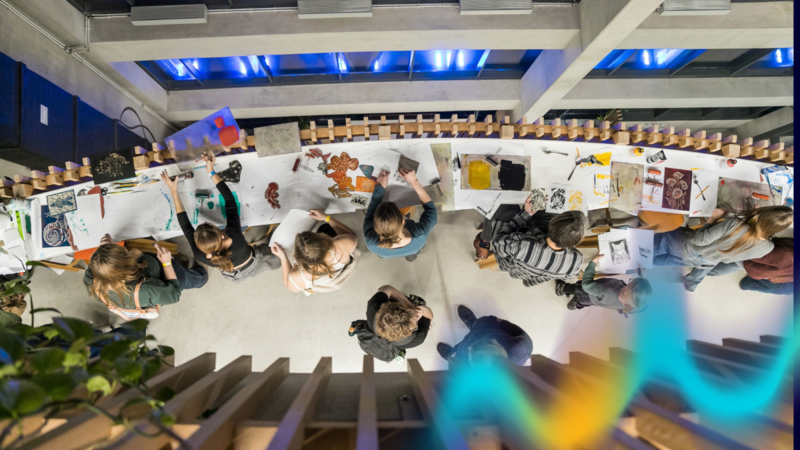
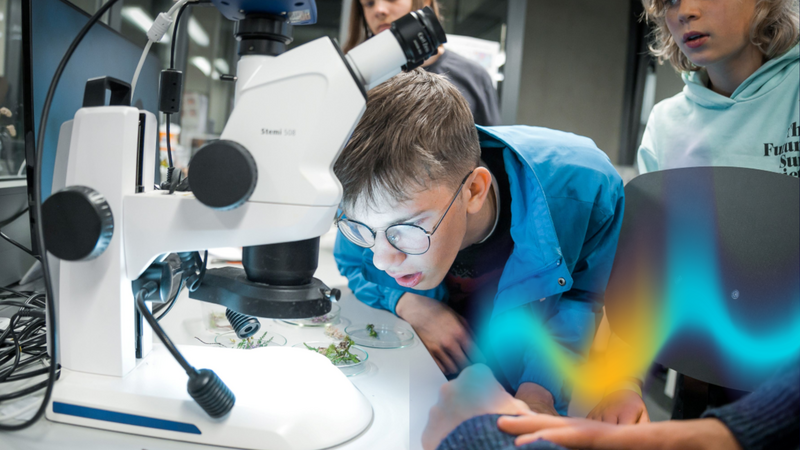
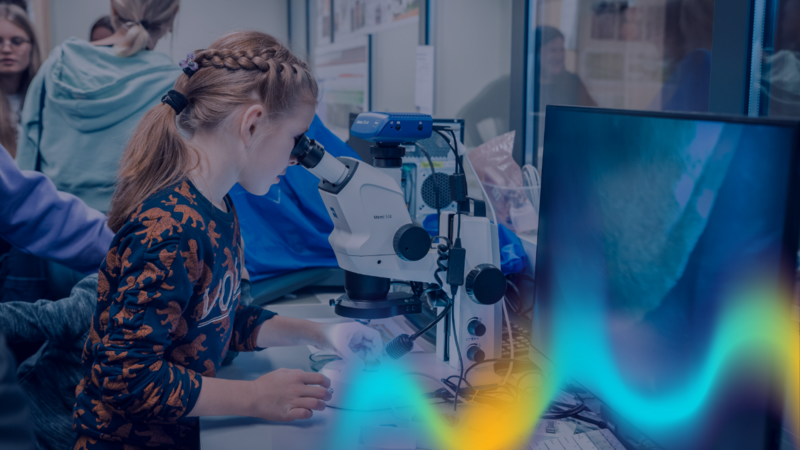
From 5 p.m. to 10 p.m., curious people of all ages will be able to meet UL’s science “superstars” and young researchers at seven UL locations in Riga, Baldone and Pape. Visitors will have the opportunity to watch, participate, explore and make new discoveries at more than 100 science stations. The evening will feature exciting experiments and guided tours, performances combining culture and science, entertaining quizzes and inspiring stories.
Meet some of the brightest personalities on the UL science stage!
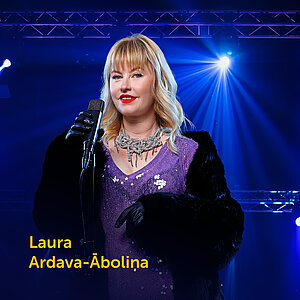
UL Researcher in communication science Laura Ardava-Āboliņa knows very well that music is one of the most powerful forms of communication. Taylor Swift knows how to reach millions of people through her stories. Communication is also at the heart of Laura Ardava-Āboliņa’s research, which explores how messages influence individuals and society. For one, the stage is music; for the other, it is science.
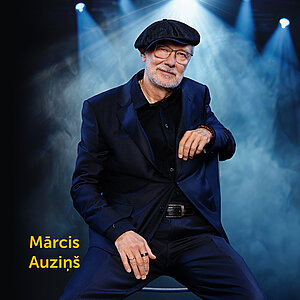
Leonard Cohen and physicist and UL Professor Mārcis Auziņš are both classics in their respective fields – one in music and the other in quantum physics. They share an interest in the big questions of life and the Universe, as well as a desire to seek answers where there are no simple ones.
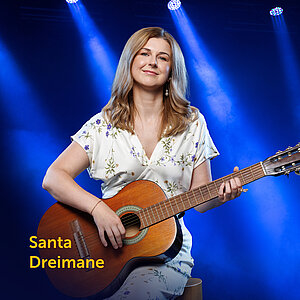
UL Researcher in education sciences Santa Dreimane is drawn to stories made up of many details. Piece by Piece is the title of one of singer Katie Melua’s early albums. It is this spirit of exploration and attention to detail that connects the education researcher with her favourite musician. In both music and research, it is essential to bring the small pieces of the mosaic together.
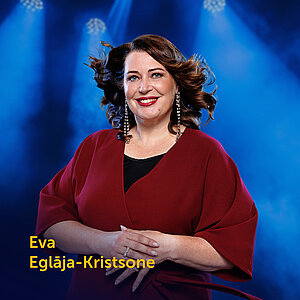
Meanwhile, Eva Eglāja-Kristsone, a Leading Researcher at the UL Institute of Literature, Folklore and Art, studies literature, culture and women’s stories, seeking out personalities and ideas that deserve to be brought into the spotlight. Just as in music, science needs a distinctive voice, a good rhythm and a spark.
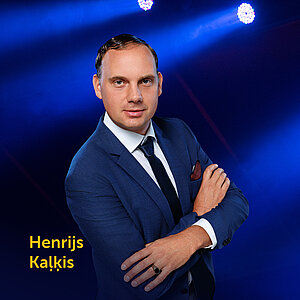
Frank Sinatra sang about having the courage to follow your own path and embrace challenges. UL Professor Henrijs Kaļķis, whose research focuses on business efficiency, human factors and ergonomics, also seeks new solutions to create more productive and healthier working environments. After all, ergonomics is both a science and an art.
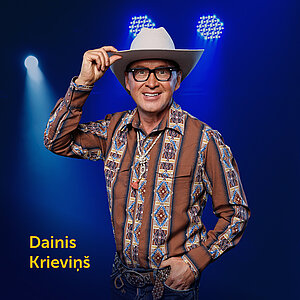
The name of UL Professor of Vascular Surgery and vascular surgeon Dainis Krieviņš needs little introduction in the medical world. Just as country songs have healed many a broken heart, the professor’s work and research have helped many people in Latvia regain their health.
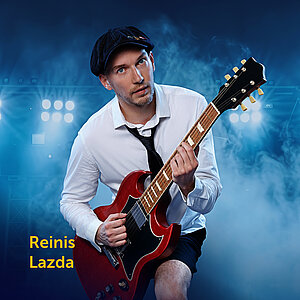
UL laser physics Researcher Reinis Lazda is a rising star in physics whose daily work takes place in a world of lasers and diamonds. His favourite band, AC/DC, brings power and spectacular shows to the stage, while Reinis studies how light interacts with matter. Physics is what unites the stages of science and rock.
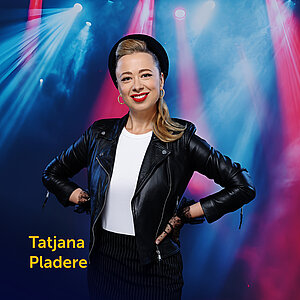
Singer Gwen Stefani is always on the move, experimenting and surprising her audience. The work of UL Associate Professor and Leading Researcher in vision science Tatjana Pladere is equally dynamic, connecting human vision and perception with technology. Science changes the way we see the world.
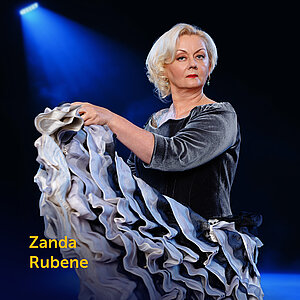
Director of the UL Doctoral School and Professor of Education Sciences Zanda Rubene is a science diva who is passionately nurturing the next generation of UL researchers. Opera is her greatest source of inspiration. Perhaps that is why every talk or book by Professor Zanda Rubene is an invitation to live an authentic and fulfilling life.

A DJ creates a new sound by combining different elements of music. UL chemistry Researcher Aina Semjonova does something similar in crystal engineering, combining components to create an improved cocrystal. In both music and science, finding the right combination begins with a willingness to listen, ask questions and find your own voice.
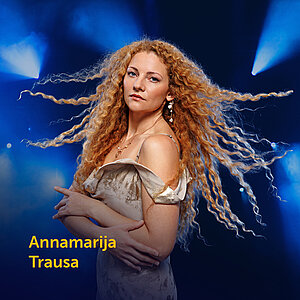
“Florence + the Machine” proves on stage that fragility can be powerful. Annamarija Trausa, a researcher at the University of Latvia’s Institute of Solid State Physics, knows this all too well. She studies nanomaterials that are invisible to the naked eye yet open up vast possibilities for future technologies.
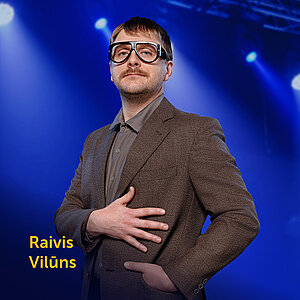
Stories are also at the heart of the work of Raivis Vilūns, a UL Researcher in journalism and media. Pulp frontman Jarvis Cocker turns details into compelling stories through his songs. Raivis Vilūns explores how stories are created and spread, and how media and communication work in an age when AI plays an increasingly important role.
Music and science may have different voices, but it is the individual spark they share that inspires us to ask big questions, seek unexpected connections and discover what truly matters. Just like music, science begins with a desire to listen, ask questions and find your own voice.
On 25 September, Latvia’s biggest science stage will be open to everyone. This year, ERN events at UL will, for the first time, have a distinct European dimension as part of the European Commission’s MSCA and Citizens initiative. ERN at the UL is based on the New European Bauhaus approach and the idea that science is all around us – helping us understand the world we live in and find solutions for the future.
ERN at the UL will also offer an opportunity to look beyond Latvia’s borders, with live connections providing a glimpse of how researchers in Lithuania and Estonia bring science closer to the public.
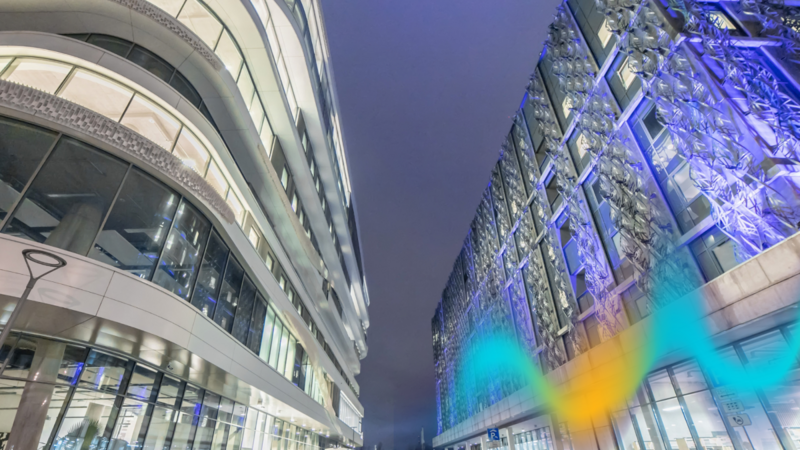
This year, ERN at UL will take place at seven UL locations in Riga, Baldone and Pape. The most extensive programme will be hosted at the UL Academic Centre in Torņakalns, in the House of Nature and the House of Science.
The science rock stars will appear in a variety of roles throughout ERN – taking part in improvisation on the Main Stage, science stations, guided tours, laboratory activities and more. There are many more science stars at UL, and they will all be shining brightly under the European Researchers’ Night sky!
Follow the latest information on the UL website. The full programme will be announced soon.
About MSCA and the UL project Aurora Nexus: Connecting People, Science and Art
European Researchers’ Night at the UL is being organised as part of the University of Latvia’s project “Aurora Nexus: Connecting People, Science and Art”, implemented with the support of the European Commission’s “MSCA and Citizens: European Researchers’ Night and Researchers at Schools 2026–2027” programme.
The project aims to strengthen science communication, promote public interest in and engagement with research – particularly among children and young people – and foster interaction between science and art. European Researchers’ Night is one of the central activities of the UL project.
The Marie Skłodowska-Curie Actions (MSCA) are a European Union initiative supporting research and innovation, researchers’ professional development and science communication.

This text was translated using AI.
 at the University of Latvia (UL).)