
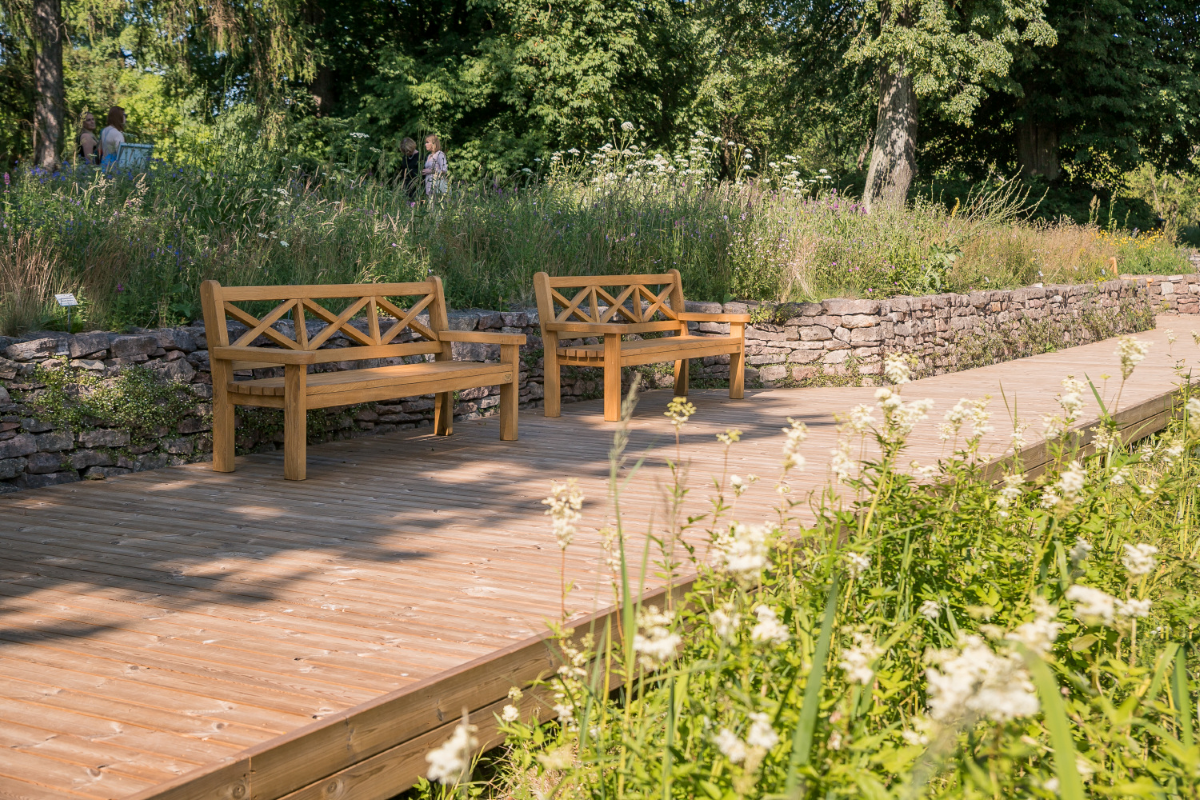
The project seeks creative and engaging ways to draw attention to the plant world and encourage public interest in the diversity of nature. Educational and communication activities will take place at both botanical gardens, including public events, interactive games, discovery activities and information campaigns. At the UL Botanical Garden, one of the main activities will be a specially designed photo-orienteering game, available to visitors from late 2026. It will encourage participants to pay closer attention to their surroundings, develop their observation skills and notice details that often go overlooked in the rush of everyday life. The challenges will focus not only on plants but also on other natural and environmental features of the Botanical Garden. The game will be accompanied by an information campaign highlighting the diversity and importance of plants, as well as the role of botanical gardens in exploring the plant world, conserving biodiversity and educating the public.
“Biodiversity cannot be conserved without public understanding of its importance. Plants form the foundation of life on Earth, yet in our daily lives we often overlook them and see them merely as a green backdrop. That is why it is important not only to discuss biodiversity as a global environmental issue, but also to help people discover the plant world close to home - in their everyday lives and urban surroundings. The more we learn about plants, the more likely we are to feel responsible for their conservation,” emphasises Renārs Kairis, Head of Sustainable Development at the University of Latvia.
The project aims not only to increase knowledge about plants but also to strengthen public understanding of botanical gardens as accessible spaces for education, culture and community activities. Particular attention will be given to young people and urban residents.
To assess the impact of the project’s activities, participants’ plant awareness will be evaluated using the internationally developed Plant Awareness Disparity Index (PAD-I), alongside participant feedback and visitor attendance data. The project will also include an exchange of experience between the two universities’ botanical gardens, comparing approaches to public engagement, accessibility solutions and practices for organising educational activities.

, in collaboration with the Agder Natural History Museum and Botanical Garden at the University of Agder and with support from the FORTHEM Alliance, is implementing the pilot project The Quiet Bloom. The project aims to raise public awareness of the importance of plants in human life and the environment, address plant awareness disparity, and highlight the role of botanical gardens in public education, fostering connections with nature and exploring the value of biodiversity.)