
Master's programme in Environmental Science
Level of study: |
Duration: |
Form of study: |
Language: |
Credits: |
Location: |
Degree: |
Study fee: |
Amount of spaces: |









The Master’s study programme in Environmental Science provides advanced academic education leading to a Master’s degree in Environmental Science.
Environmental science is an interdisciplinary field that integrates insights from the natural sciences and social sciences. The programme offers up-to-date theoretical and methodological knowledge in key subfields of environmental science, including nature conservation, environmental governance, environmental chemistry and ecotoxicology, and environmental engineering. At the same time, it provides a comprehensive overview of developments in the field and supports the acquisition of practical skills required in the labour market.
The study programme is continuously developed in line with trends in environmental science, as well as recommendations from employers, students, and graduates.
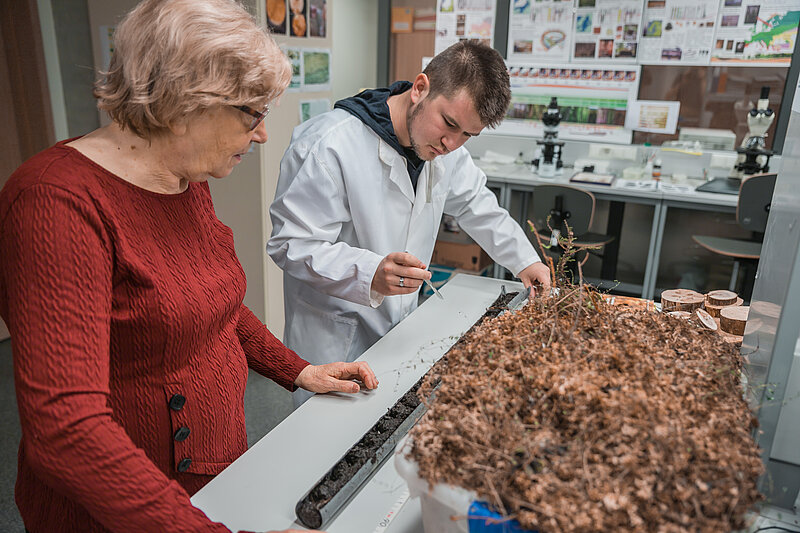
The program includes compulsory general courses and courses in the main directions of environmental science. It offers optional courses in the main areas of environmental management and management, special optional courses in natural sciences and optional studies that develop the professional skills of an environmental specialist (information acquisition, processing and interpretation). It is focused on the modern labour market requirements.
Year 1 – compulsory courses: Ecology of ecosystems with the basics of socioecology, Environmental planning, Ecotoxicology, Master's project; Regional Rural Course in Environmental Science; optional courses: Environment and civil defence compensatory course for students from other study programs), Environmental geomorphology, Biotechnology and environmentally friendly technologies, Water resources and their influencing factors, Ecodesign, Baltic Sea ecology, Introduction to geographic information technologies, Theory and practice of human-environment interaction, Landscape ecology: theory and practice, Strategic management and projects, Soil ecology and protection, Environmental communication, Water supply and wastewater treatment, Water resources management.
2nd year - compulsory courses: Modeling of natural and environmental processes, Environmental philosophy and ethics, Master's thesis; elective courses: Environmental management systems, Basics of risk analysis, Agricultural ecology and sustainable management, Climate change management, Waste management, European environmental policy and practice, Development and management of sustainable consumption.
The course "Applied studies in environmental science", in which students are allowed to work practically in various institutions related to environmental issues, according to the student's wishes, can be taken either in the 1st or 2nd year of study.
During studies, studies at foreign universities are possible within the framework of the ERASMUS+ program.
Since environmental issues are becoming more and more relevant in all areas of life, the job opportunities for graduates of the master's program in environmental science are vast. The master's degree in environmental science allows continuing doctoral studies in Latvian universities and abroad. Graduates of the program work in Latvian state management institutions: Ministry of Environmental Protection and Regional Development of the Republic of Latvia, municipalities, State Environmental Service, and Regional Environmental Administrations. Environmental quality control institutions: VSIA Latvian Center for Environment, Geology and Meteorology, ZPI "Bior" and others. Scientific institutes, consulting firms, companies developing environmental technologies, companies providing quality systems, educational institutions and other institutions in which environmental specialists are needed, for example, JSC "Latvijas valsts meži", the international airport "Riga", as well as in various structures of the European Union.
You can find out about the admission requirements for the study program by switching to the Latvian version of the website.
inese.silamikele@lu.lv
ENVIRONMENTAL SCIENCE = LU
CIRCULARITY
ECOLOGY
GOVERNANCE
NATURAL PROCESSES
SPATIAL ANALYSIS
ENVIRONMENTAL CHANGE
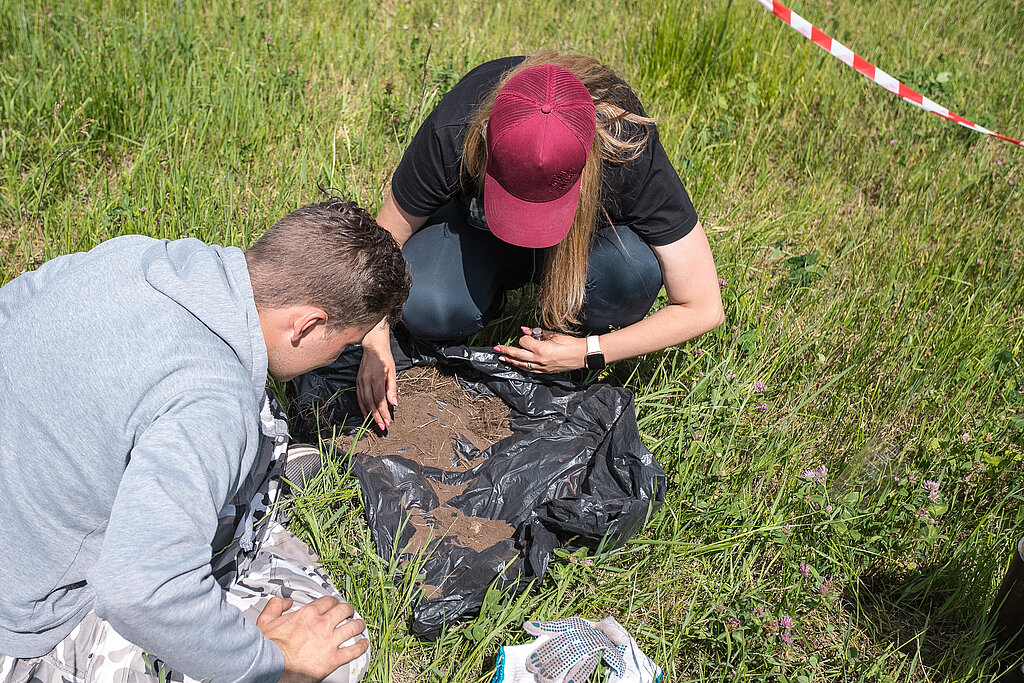
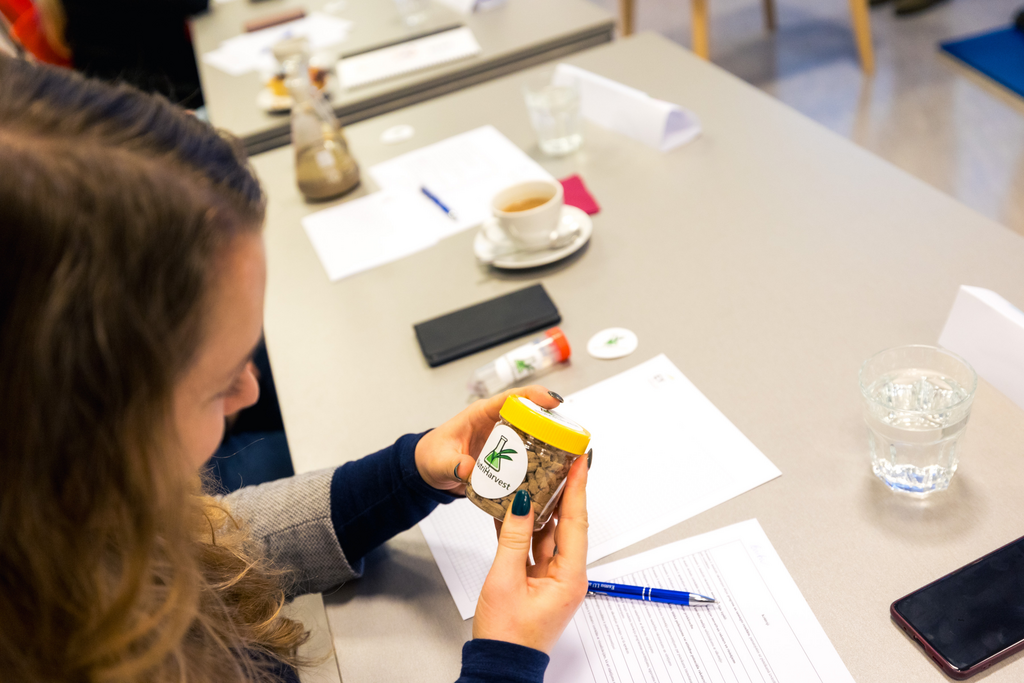
Alumni review
I completed my Bachelor’s degree at RTU in the programme “Customs and Tax Administration.” I chose to continue my Master’s studies at the University of Latvia in Environmental Science because I wanted to expand my knowledge in nature conservation and believed it would be a significant advantage for my professional growth and career. The lectures were engaging, and the academic staff were knowledgeable and supportive. I wanted to obtain two different degrees to broaden my future career opportunities. I believe the main benefits of the programme are professional knowledge, personal development, networking, and friendships. Before starting my Master’s studies, like many students, I worked in a field unrelated to environmental science (I was a hotel administrator). After receiving my Bachelor’s degree, I began working in my professional field at the Airport Customs Control Point, and my Master’s thesis on the CITES Convention was directly related to my daily work. I encourage everyone considering studies to choose a field they truly care about, so that their time is well invested.