
Computer Science and Mathematics (Computer Science and Electronics) Doctoral study programme
Program level: academic doctorate
Language of study: Latvian
Form and duration of studies: full-time attendance - 8 semesters or 4 years
Amount in credit points: 288 ECTS
Degree awarded: Doctoral Degree of Science Doctor of Science (Ph.D.) in Natural Sciences or in Engineering and Technology
Number of places for admission in the 2026/2027 academic year: follow the information
Tuition fee in the 2026/2027 academic year: 8400 EUR
Study location: Rīga, 19 Raiņa bulouvard
Accreditation until: 24.08.2029.
The goal of the doctoral study program “Computer Science and Mathematics” is to prepare highly qualified specialists for independent work in the fields of computer science and mathematics, higher education and the economy. The program has been created based on the experience of European Union countries in implementing doctoral level studies, priority scientific directions recognized in Latvia and the traditions of academic education existing at the University of Latvia.
Programme Director
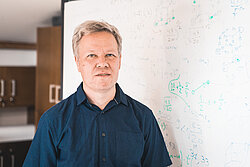
Prof. Andris Ambainis
Studies take place at the Department of Computer Science of the Faculty of Science and Technology, as well as at the UL Institute of Mathematics and Informatics (in some cases – also at the Institute of Electronics and Computer Science), their main component is scientific work under the guidance of highly qualified academic staff. Some of the possible topics of scientific work: quantum computing and mathematical computer science, language processing and machine translation, information systems and software engineering, computer engineering and cyber-physical systems, artificial intelligence, cognitive sciences.
The programme offers rigorous research training and transversal competencies through structured coursework, field-specific doctoral examinations (in the discipline, subdiscipline, and a foreign language), and continuous engagement in scientific research. Throughout the studies, doctoral candidates carry out original research in their chosen topic, disseminate results in peer-reviewed publications, participate in international conferences, undertake mobility visits, and contribute to academic activities. The programme concludes with the completion and public defence of the doctoral thesis, demonstrating readiness for independent research work.
Graduates of the program are doctoral-level specialists who work both in science (researchers and academics) and manage the implementation of technically complex projects in the programming industry. Graduates work both in Latvia (LU, regional universities, scientific institutes, software development industry) and abroad (universities and scientific institutes in Great Britain, Sweden, Norway, etc.).
Previous academic education, specializing in computer science and informatics: second cycle higher education (master's degree or equivalent) in computer science, mathematics or information technology; or second cycle higher education (master's degree or equivalent) in another field with at least 3 years of work experience in the field of information technology.
Previous academic education, specializing in electrical engineering, electronics, information and communication technology: second cycle higher education (master's degree or equivalent) in computer science, information technology or electronics; or second cycle higher education (master's degree or equivalent) in another field with at least 3 years of work experience in the field of information technology or electronics.
Additional requirements: doctoral thesis proposal (.docx) agreed with a potential scientific supervisor, CV, motivation letter, proof of scientific research activities and other documents. More information about the documents to be submitted: doktorantura.lu.lv
Entrance examination: oral presentation of the doctoral thesis proposal and planned research at the Doctoral Council. The Council evaluates the applicant's academic knowledge, the quality and relevance of the research proposal, as well as the applicant's previous research activities.