

This year, the University’s ERN programme was larger than ever. Events took place at several venues in Riga, as well as in Baldone and Pape, offering more than 100 opportunities to explore, experiment, talk with researchers and discover something new. “It was one of the most impressive experiences. You could really feel the connection between science and art. I also loved the rock star campaign, which showed the human side of researchers. I’ll certainly come back with my family in the coming years,” one visitor wrote in the event survey.
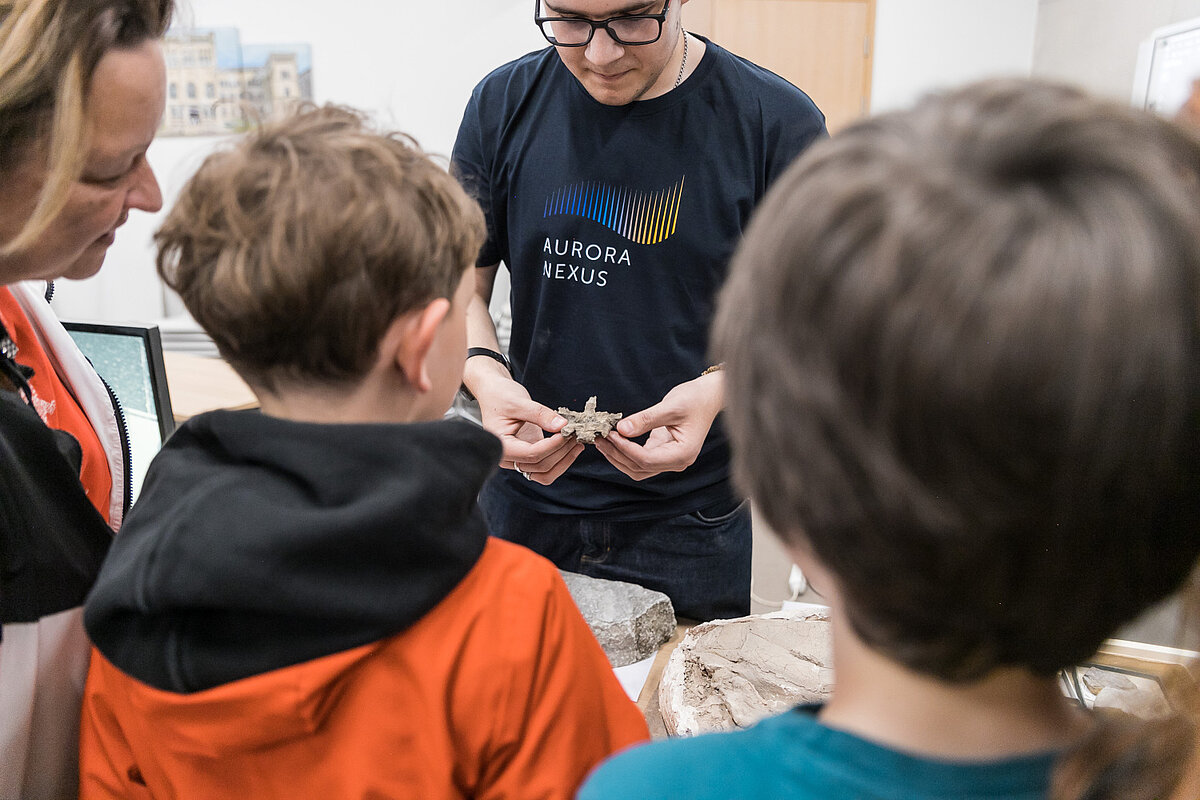
Ten-year-old Rihards and his seven-year-old sister Rēzija visited the UL Academic Centre with their family. It was Rēzija’s first ERN, and it left a strong impression: “It was so interesting! I had no idea there was such a thing as Researchers’ Night.” She especially enjoyed the science stations where she could paint and make things, as well as the massage offered by Riga Medical College of the University of Latvia. Asked how much she liked the event, she said she liked it even more than swimming, and Rēzija likes swimming very, very much. Rihards gave a more measured verdict: 9.8 out of 10. Both also enjoyed the photo corner, where they could capture a memory of their evening.
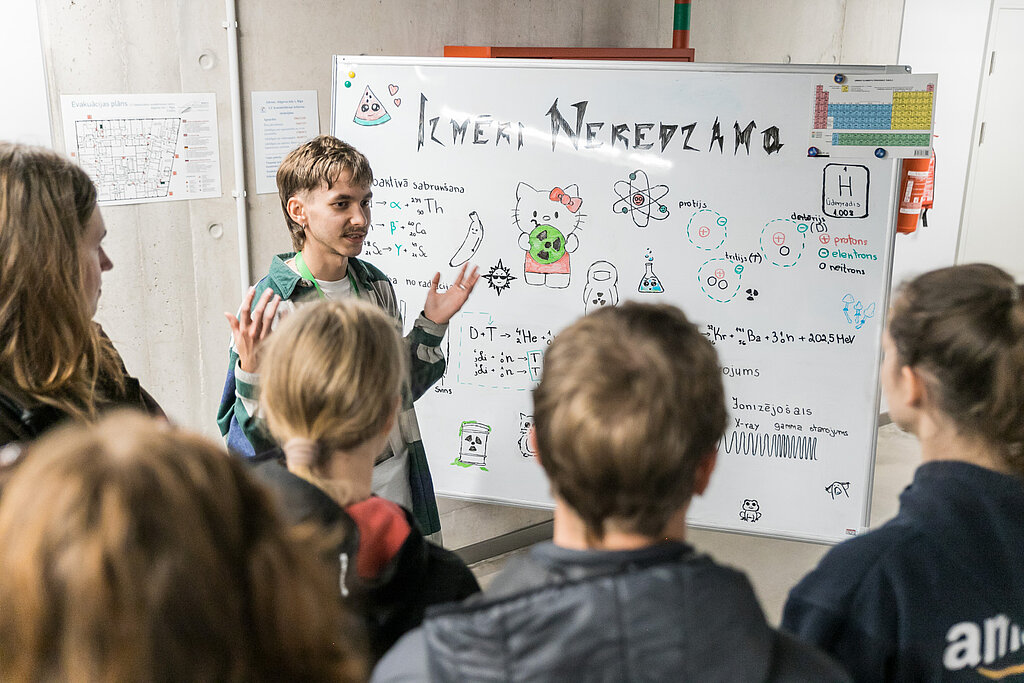
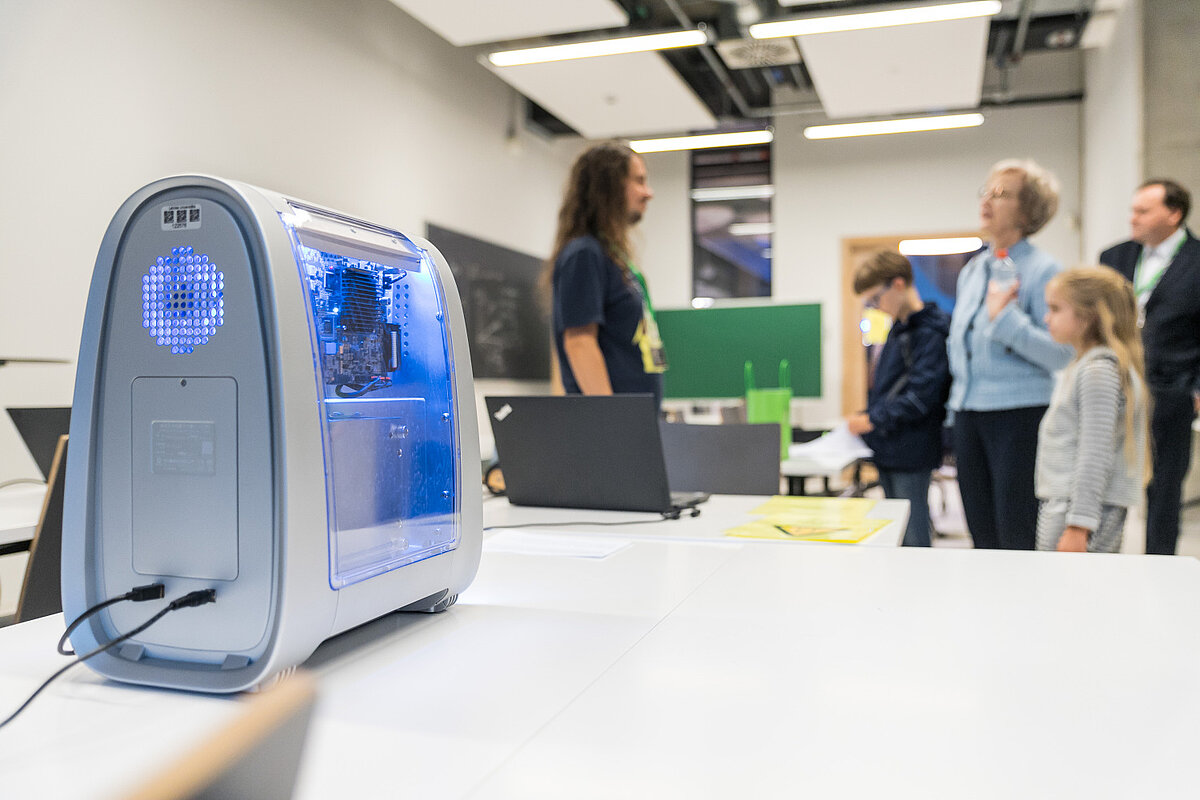
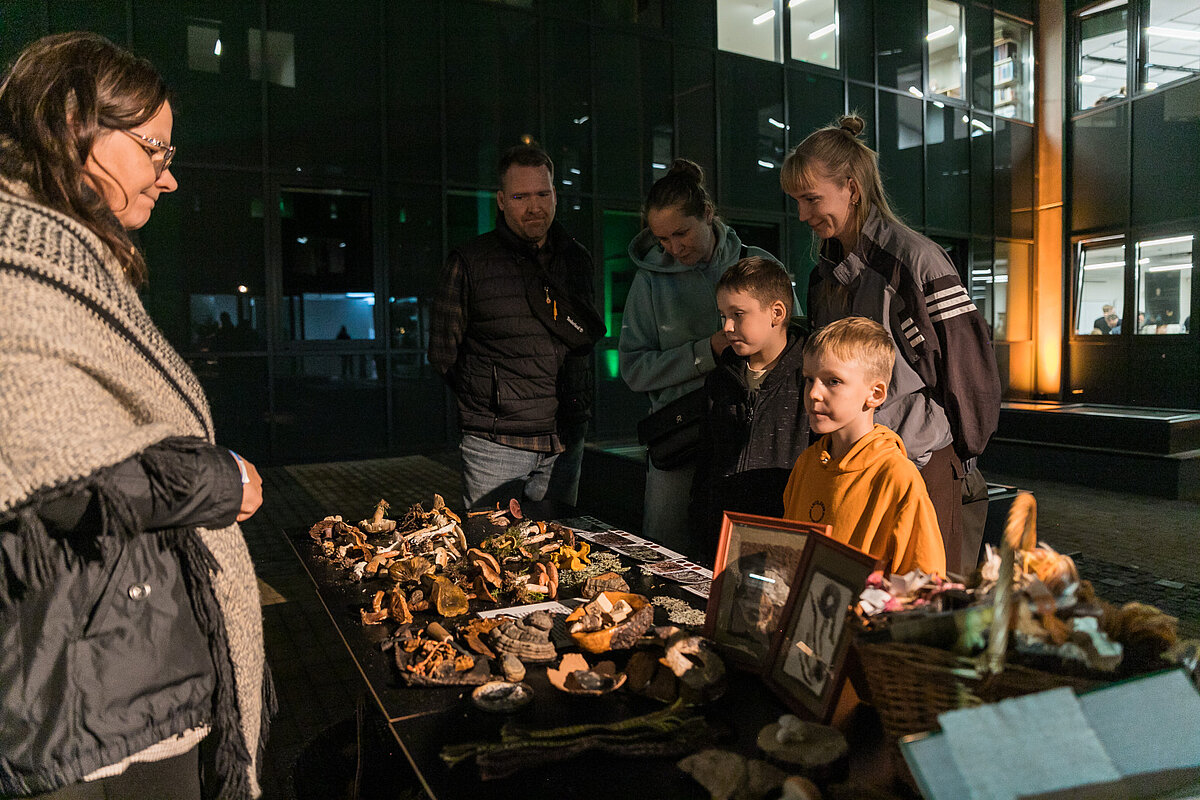
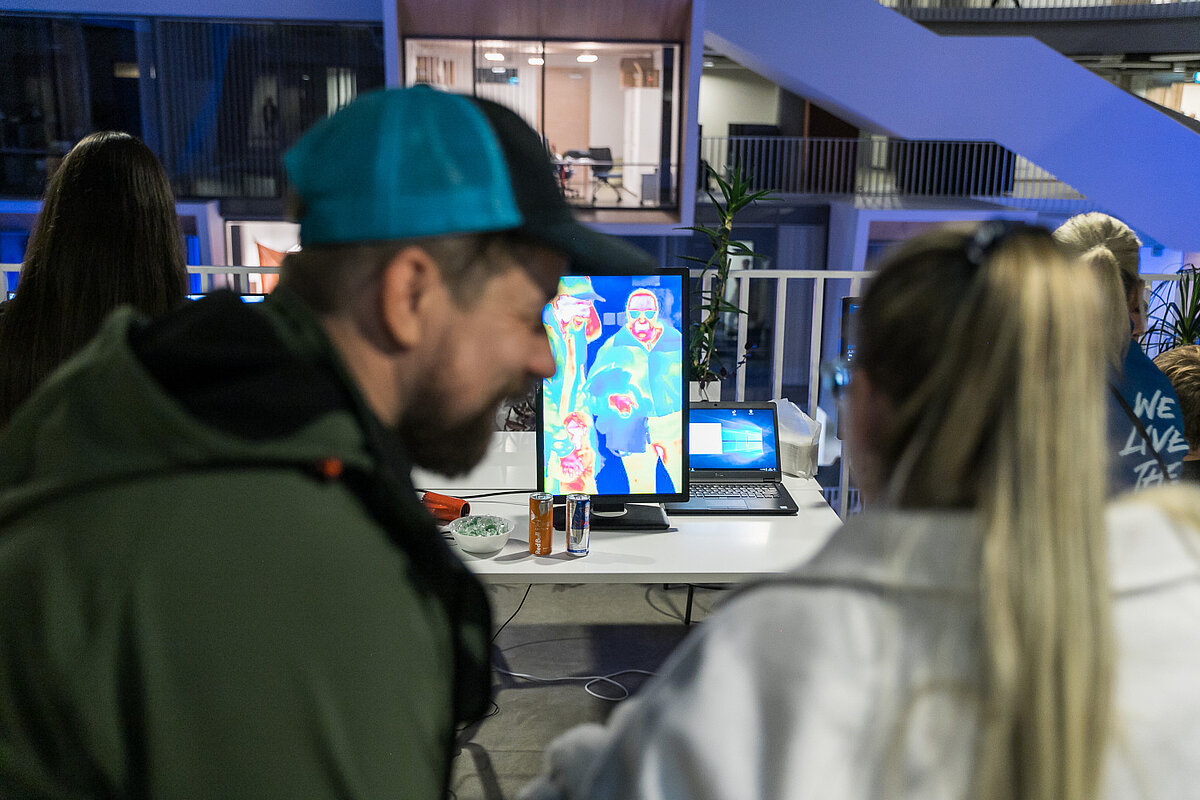
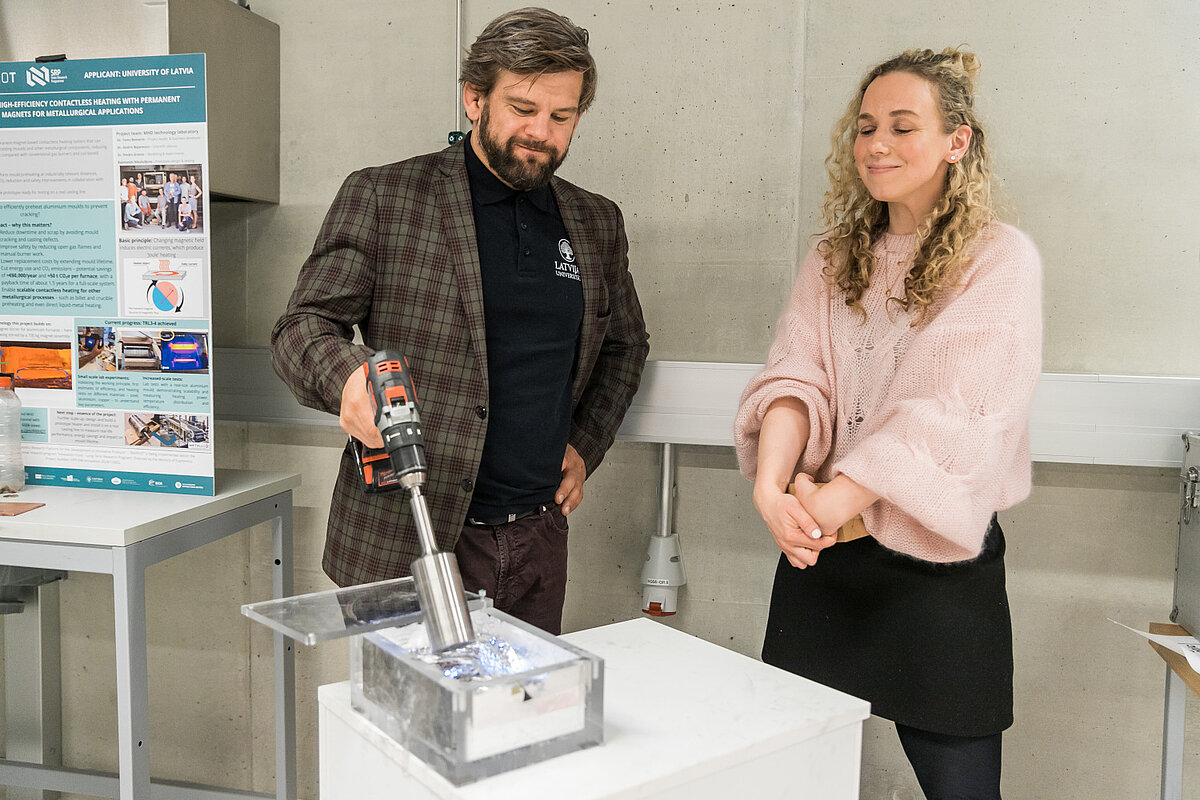
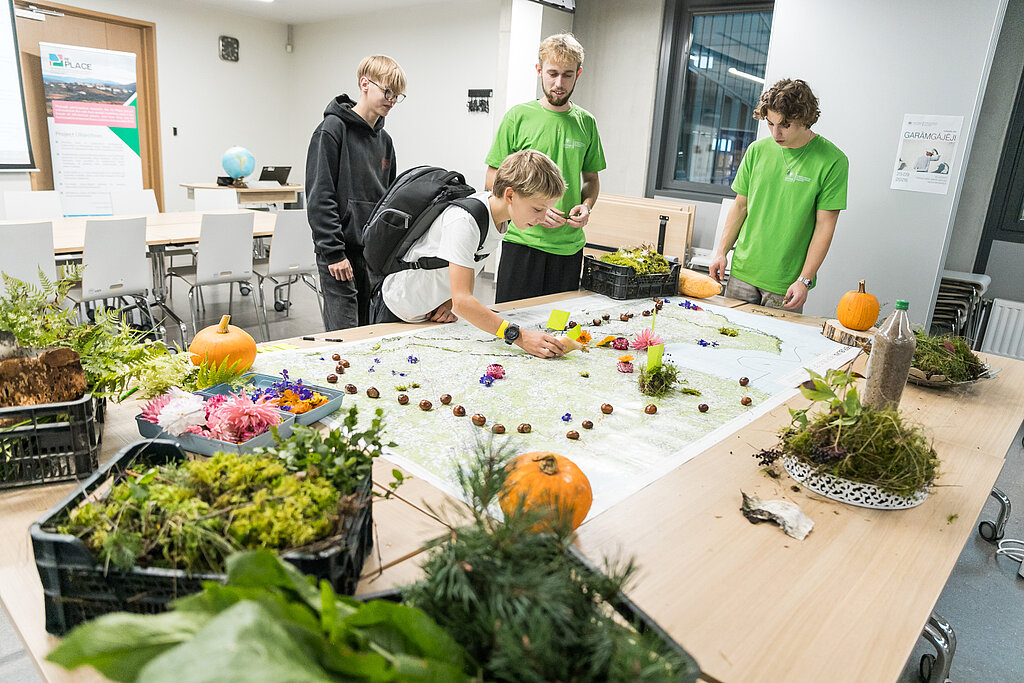
The UL Academic Centre in Torņakalns drew the largest crowd, with more than 5,000 visitors. On the stages and among the exhibits in the House of Science and the House of Nature, research became sound, movement, dance and hands-on experience. Visitors explored artificial intelligence, quantum technologies, 3D printing, biophotonics, space research, DNA, climate, microorganisms, natural pigments, pollinators and many other subjects. They could also try virtual reality, robotics and other activities.
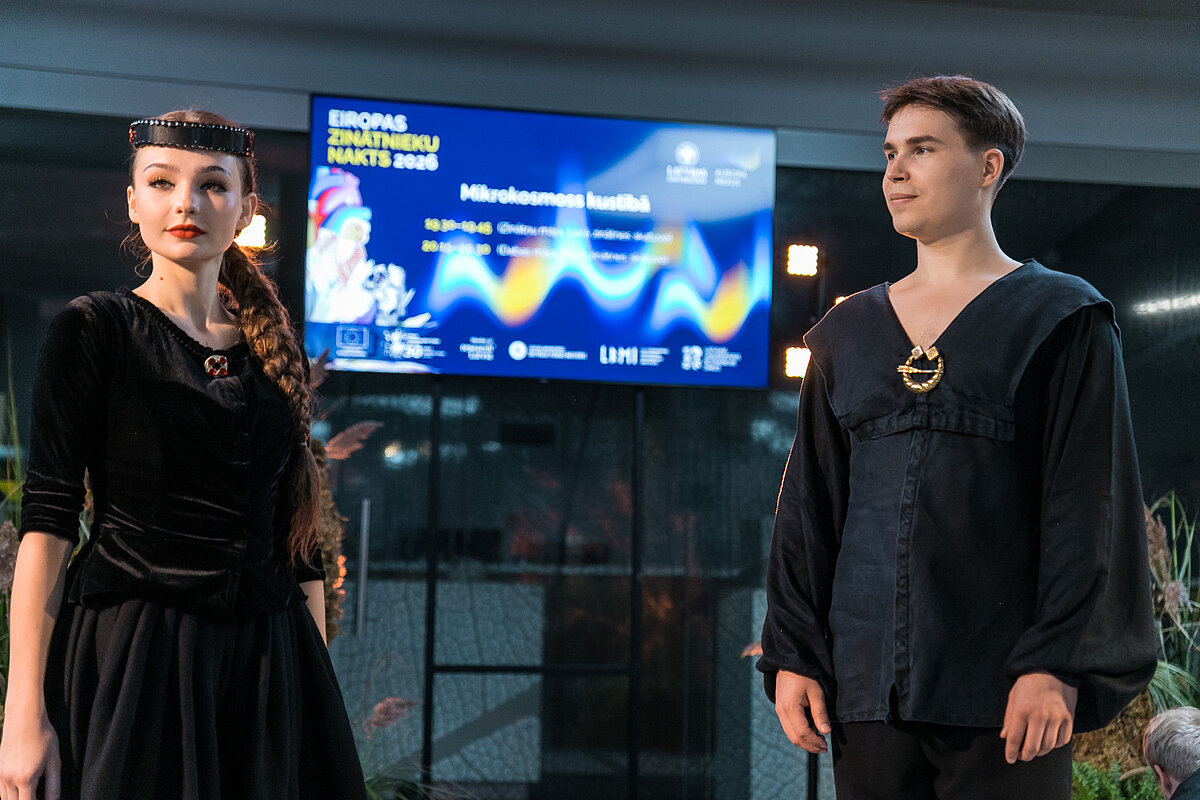
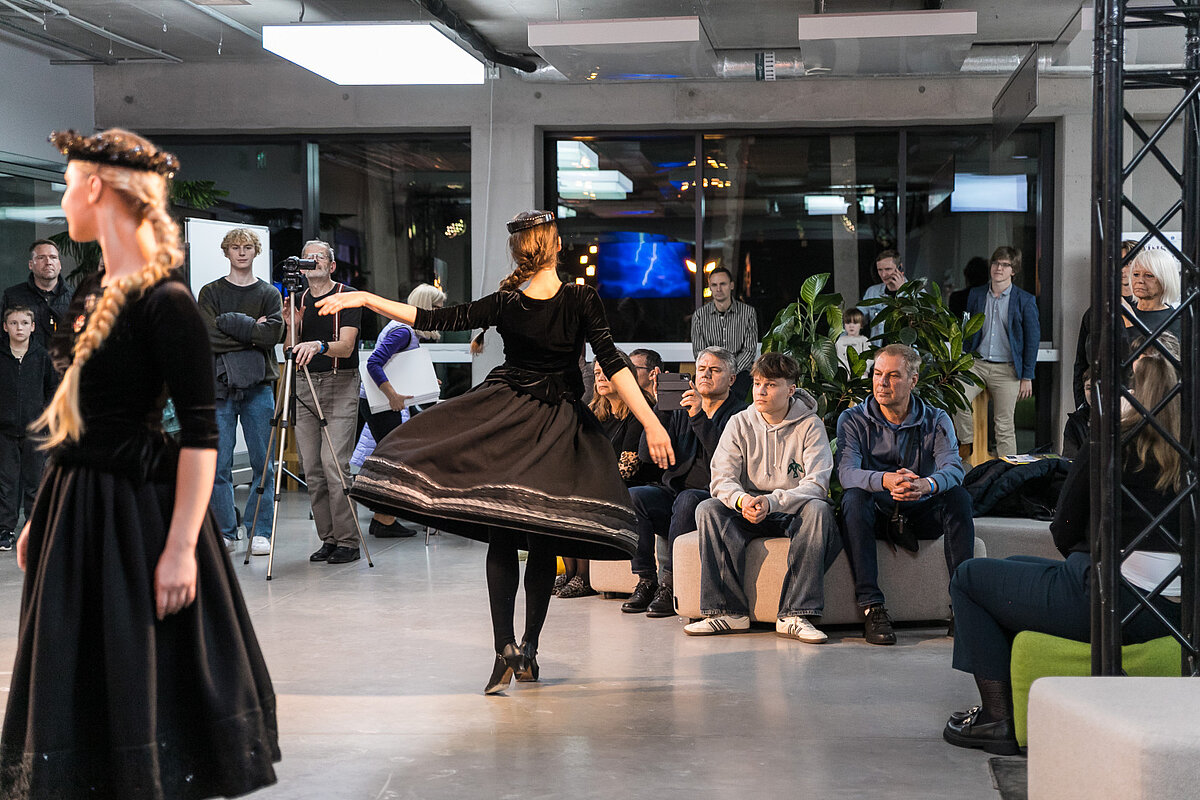
The Main Science Stage showed how research ideas can find expression in improvisation, how neurobiology can become breath and song, and how patterns in nature can turn into dance. It also made room for conversations about science and society through music and audience participation. Visitors met the University’s modern-day science rock stars: inspiring UL researchers who revealed moments from their working lives in witty sketches with actors from the improvisation group IB draugi. Their stories also featured in a special photo exhibition, which remains on display in the atrium of the UL House of Science until 5 November.
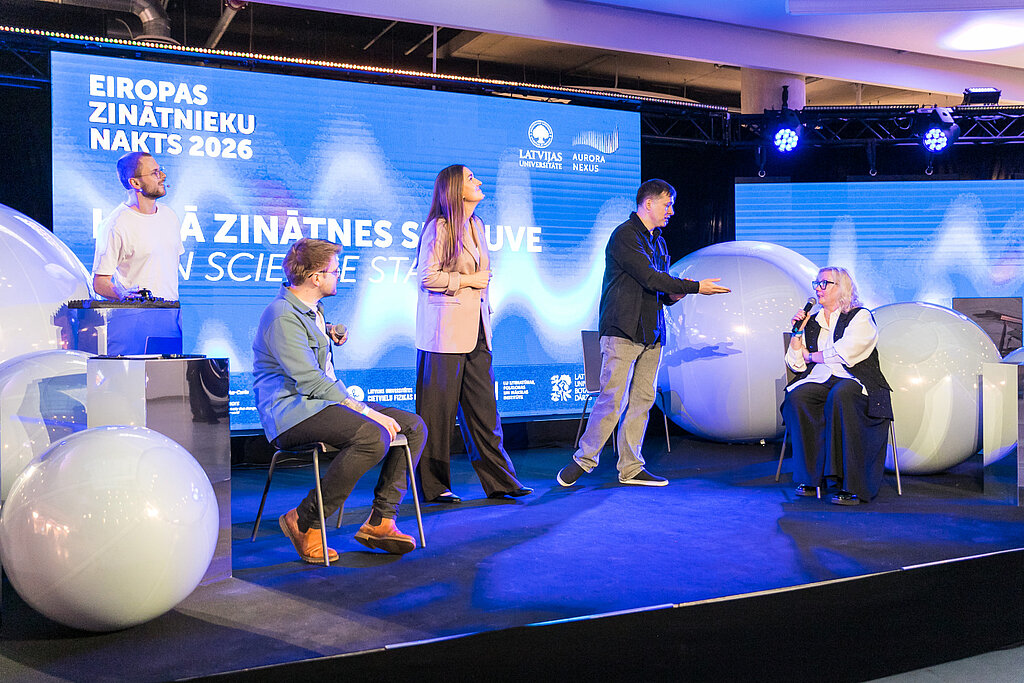
The Small Science Stage brought together young researchers from across Latvia. Seven pupils whose research projects had received top honours at national competitions gave short presentations. Their questions covered a remarkable range of subjects: how restoring bogs affects carbon dioxide levels in the air; whether air quality affects blood acidity; whether a smart device can help athletes monitor dehydration; how to assess the effectiveness of antibiotics against different bacteria; and whether paper can be made from used black tea leaves.
Another 16 pupils presented their research as posters, enthusiastically explaining both their findings and the research process to visitors. The University thanks the State Education Development Agency for its cooperation in giving these young people an opportunity to take their next steps in science.

The connection between science and art continued at other venues across Riga. At the UL Botanical Garden, visitors could hear sounds derived from cosmic radiation and learn about bogs and parasites. At the institutes of the Faculty of Humanities, they explored language, history, culture and art. Friedrich Zander’s childhood home offered data visualisations, digital workshops and the chance to create 3D avatars. At the Institute of Solid State Physics, University of Latvia, visitors were captivated by experiments with light, colourful flames, liquid nitrogen and neon lights. The national research platform FOTONIKA-LV demonstrated photon interactions and electromagnetic levitation. Beyond Riga, visitors to the UL Baldone Observatory travelled through the Solar System and the starry sky, while the Ornithological Research Centre in Pape introduced them to the migration of birds, bats and insects.
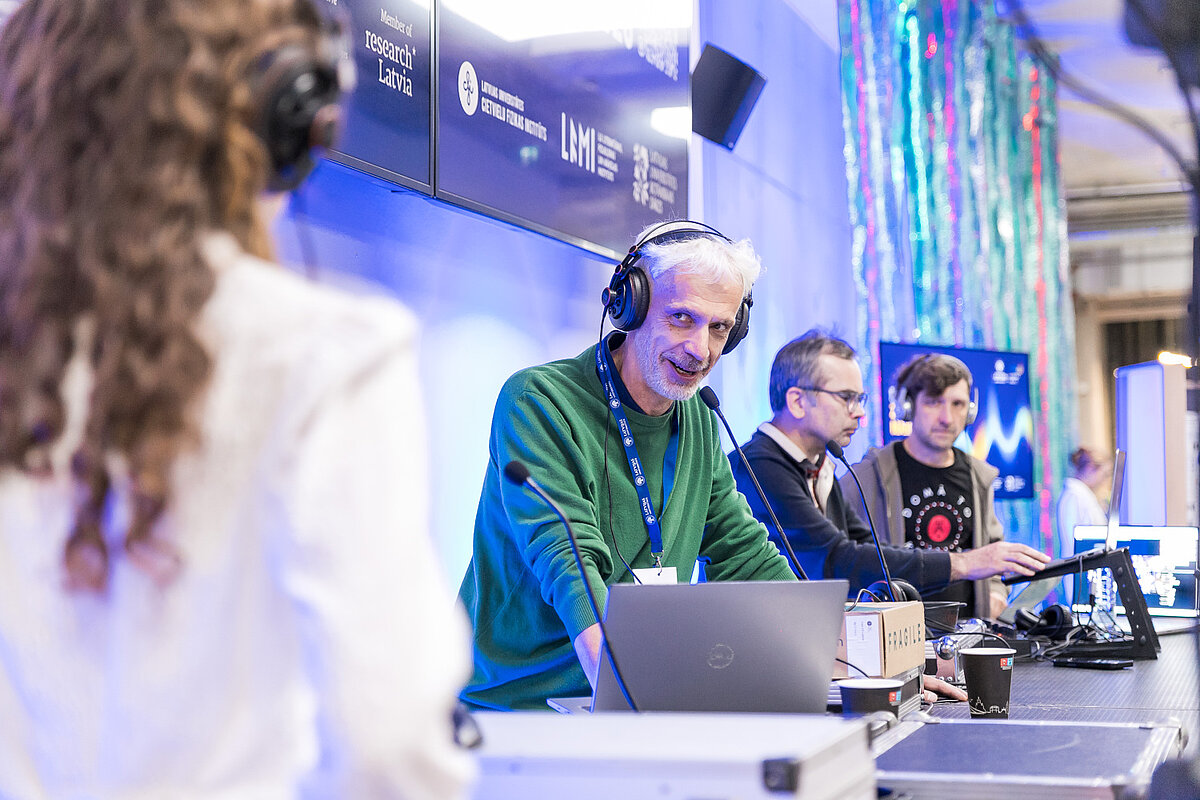
Radio NABA’s special live broadcast offered another way to experience the University’s ERN throughout its five-hour programme. Seventeen participants joined the broadcast, including UL professors and researchers, young researchers from Latvian schools and a representative of the European Research Executive Agency. Their conversations brought science together with music and art, reaching around 3,000 listeners.
The visitor survey reflects both the interest in the event and the breadth of its programme. Of nearly 400 respondents, 94% rated the University’s ERN 4 or 5 out of 5, while 92% said they had learnt something new. A further 89% said the event had increased their interest in science and research. Visitors gave the highest ratings to hands-on workshops, experiments and opportunities to take part themselves. Several respondents said that five hours had not been enough to experience everything on offer.
This was the first year that the University of Latvia’s ERN took place as part of Aurora Nexus: Connecting People, Science & Arts, a project supported by the European Commission’s MSCA and Citizens initiative. Drawing on the New European Bauhaus approach, the programme brought together researchers from Latvia and abroad, young scientists and artists. It also included a live link with the other Baltic countries, offering a glimpse of how researchers communicate science to the public in Lithuania and Estonia.
At the University of Latvia’s ERN, visitors could observe science and take part in it: asking questions, testing their ideas, embracing surprises and seeing how research is present in technology and nature, as well as in culture, art and everyday life.
The University of Latvia thanks everyone who joined us for this inspiring evening. Photographs from the events are available in the UL photo archive.
About MSCA and the UL Project Aurora Nexus
The University of Latvia’s ERN is organised as part of Aurora Nexus: Connecting People, Science & Arts, a UL project supported by the European Commission under MSCA and Citizens: European Researchers’ Night and Researchers at Schools 2026–2027.
The project aims to strengthen science communication, encourage public interest in and engagement with research, particularly among children and young people, and bring science and art closer together. ERN is one of the project’s main activities.
The Marie Skłodowska-Curie Actions (MSCA) are a European Union initiative supporting research, innovation, researchers’ career development and science communication.

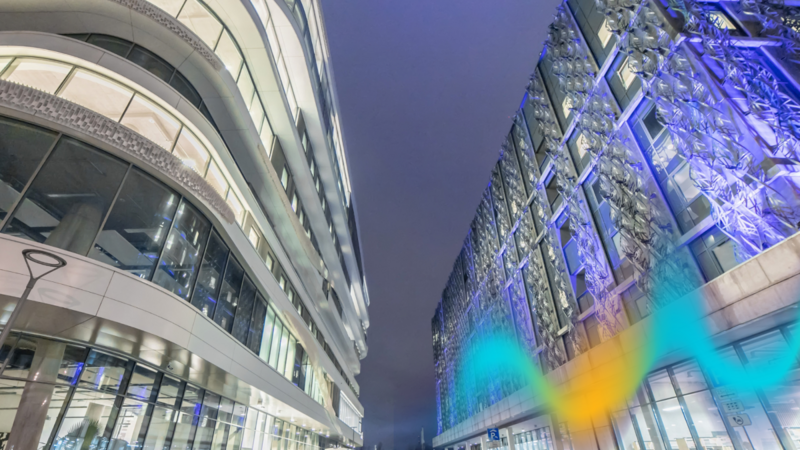
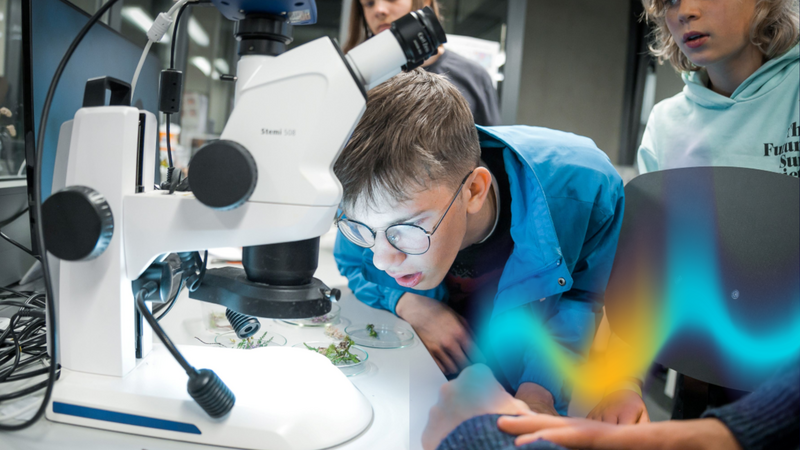
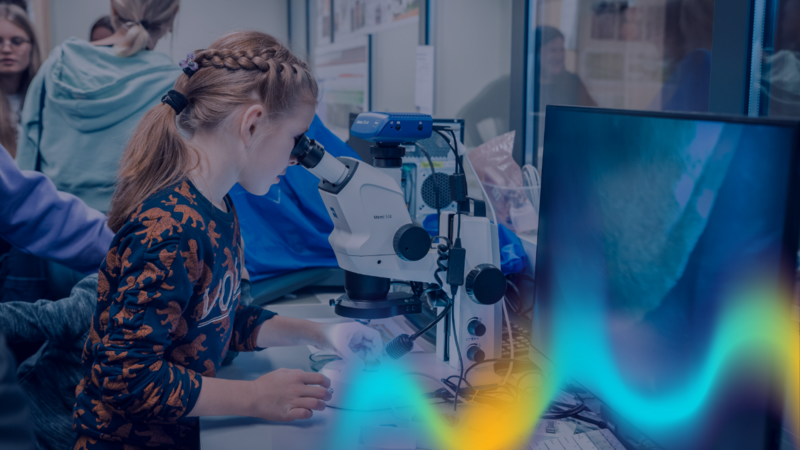
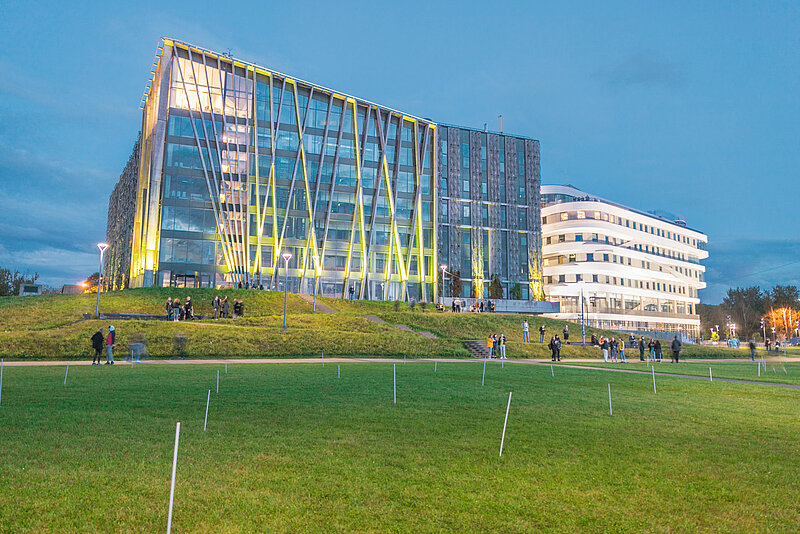
 European Researchers’ Night (ERN) 2026 offered a different way to experience science: through facts, formulas and laboratory experiments, but also through stories carried by radio waves and music, expressed in movement, brought to life through improvisation and shared with others. The events attracted a record number of visitors, with around 7,300 attending in person and a further 3,000 listening to Radio NABA’s special live broadcast.)