
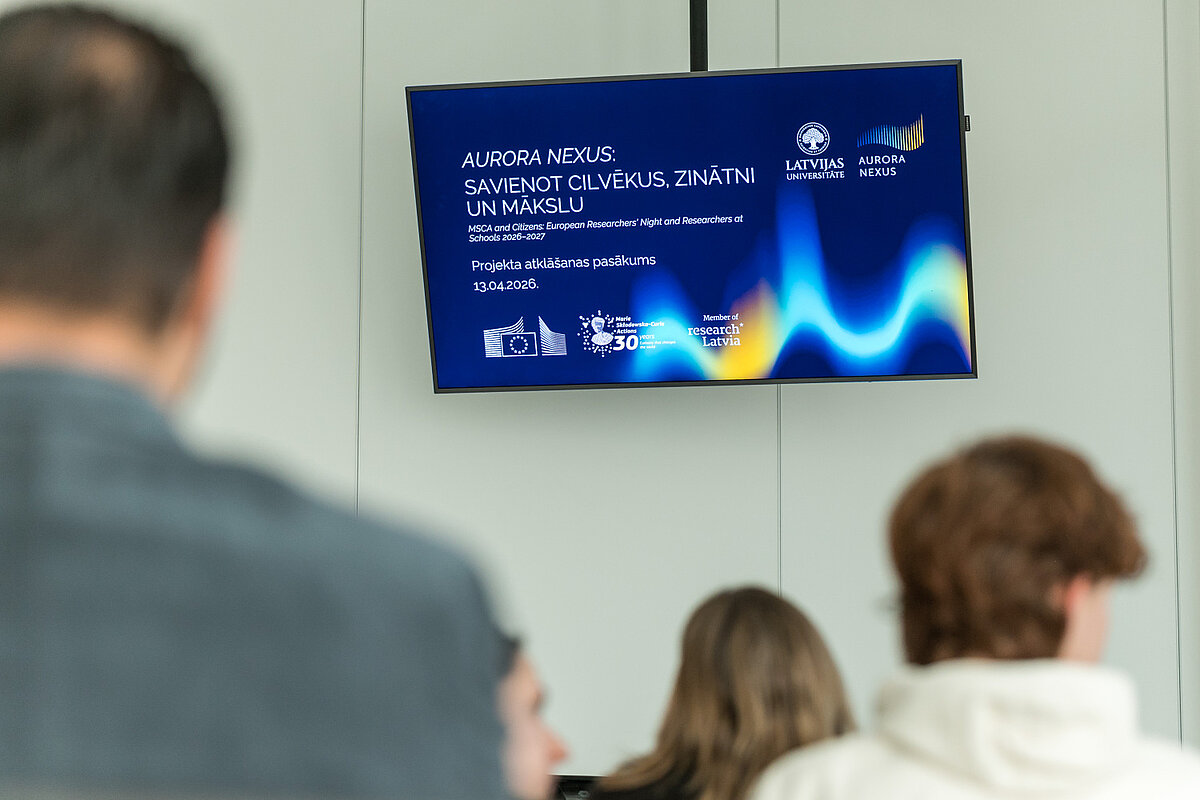


A total of 241 proposals from 42 countries were submitted to the call. Of the six proposals submitted from Latvia, Aurora Nexus is the only project selected for funding. The project “Aurora Nexus: Connecting People, Science & Arts” aims to strengthen the link between science and society by making research more understandable, accessible, and engaging for everyone. The initiative is based on the New European Bauhaus approach, combining science, art, and technology to create new and engaging experiences for society.
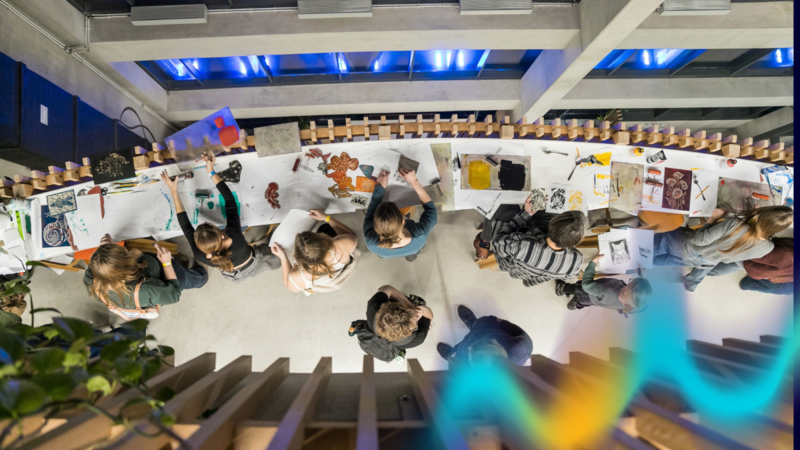
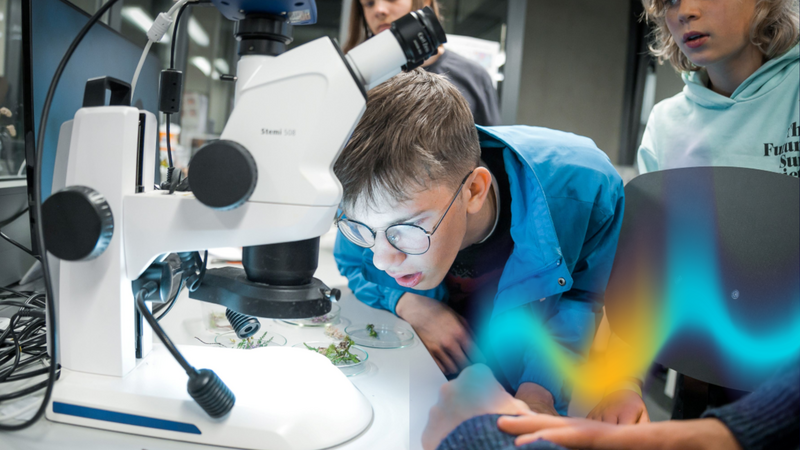
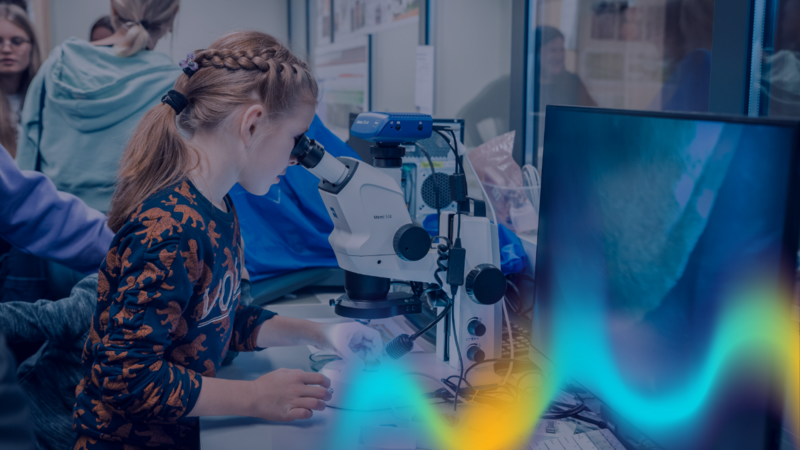
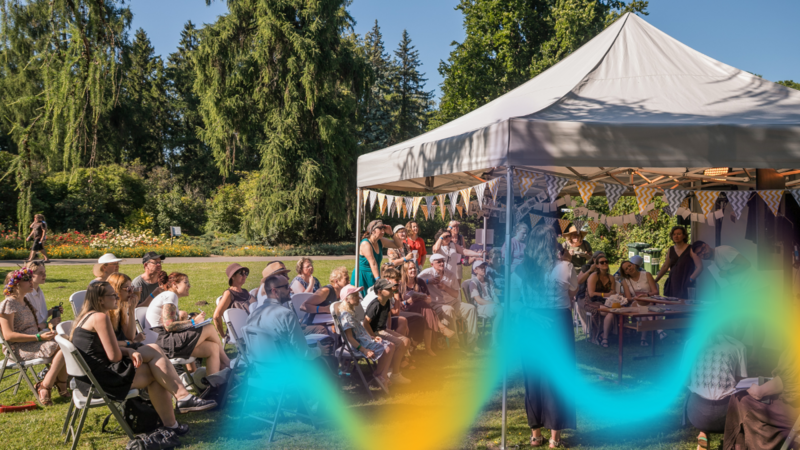
Over the two-year period, the project will implement a wide range of activities, including European Researchers’ Night events in 2026 and 2027, researchers’ visits to schools, a support platform for students developing research projects, regional events, exhibitions, and other public engagement initiatives.
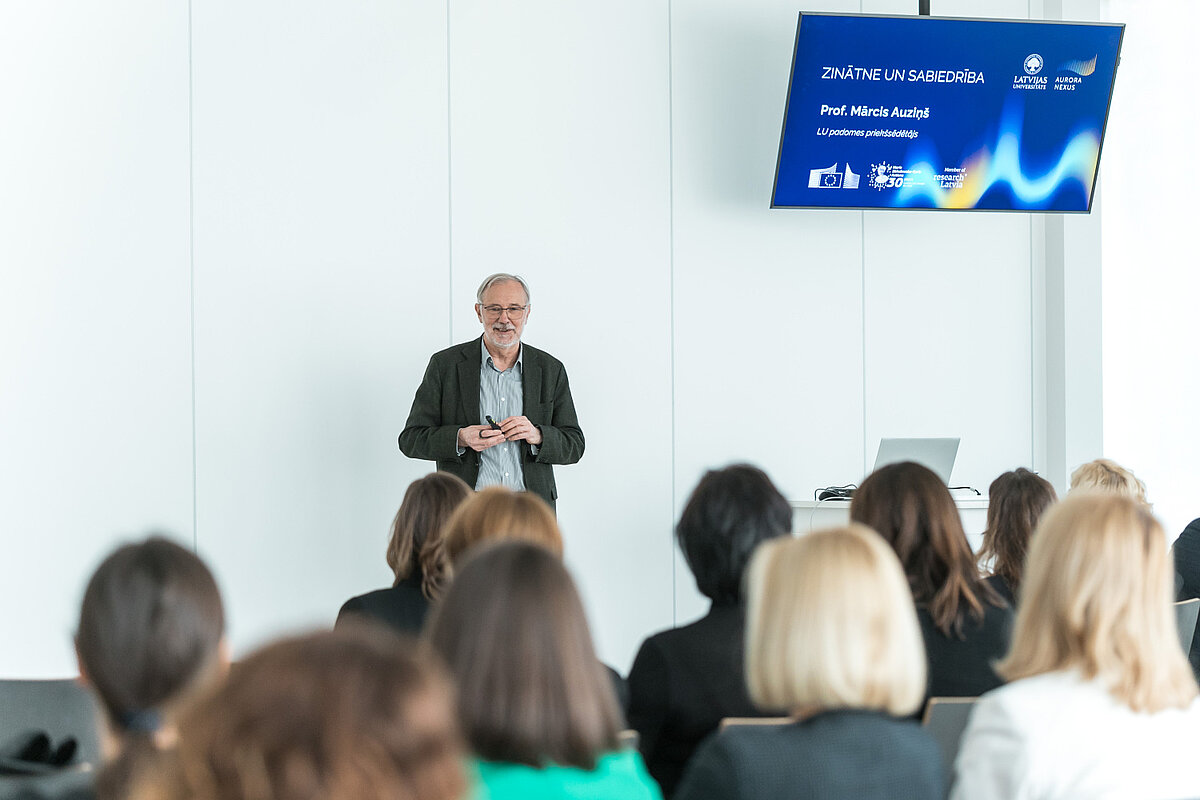
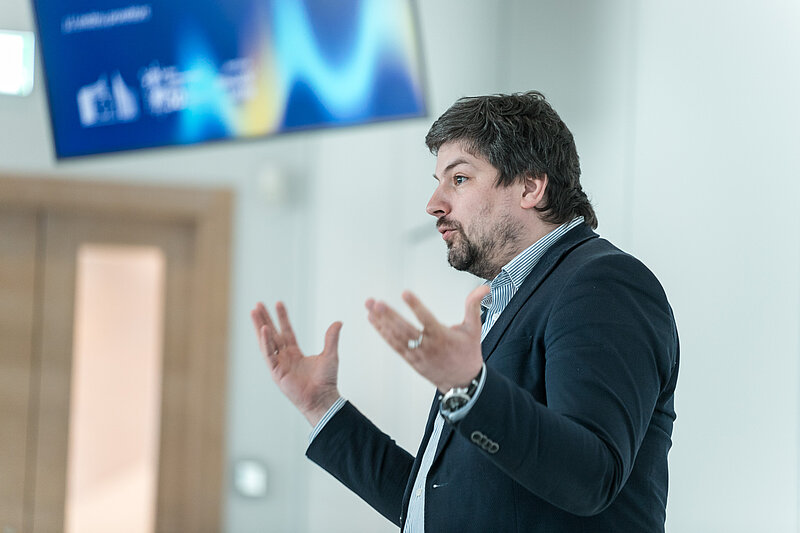
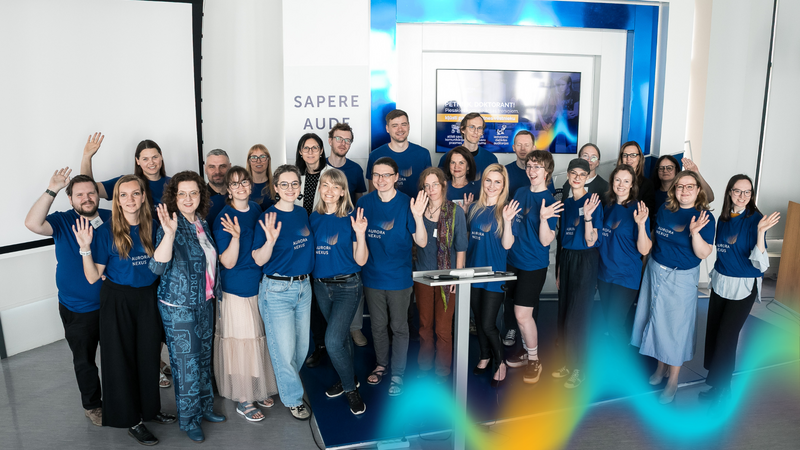
At the project launch event on 13 April 2026, the importance of science communication in modern society and the need to strengthen connections between researchers and the public were emphasised. Anna Leiškalne, Deputy Director for Science at the Ministry of Education and Science, commented: “We are proud that the University of Latvia’s project Aurora Nexus has received European Commission funding – this is a significant achievement for Latvia. We are confident that this success will foster even closer collaboration and enrich the programme of activities, opening up science to wider audiences both in Riga and across the regions. Strategic science communication activities are a key factor in helping every resident of Latvia understand what researchers do in their daily work and how it benefits society.”

Vice-Rector for Science at the University of Latvia, Associate Professor Guntars Kitenbergs, emphasised: “In today’s society, the role of science communication is becoming increasingly important, as it promotes understanding and sparks interest in the research process, strengthens trust in science, and encourages society to make evidence-based decisions. We also see that science is increasingly interacting with creative industries and the arts, creating new and engaging ways for society to see and understand the world.”
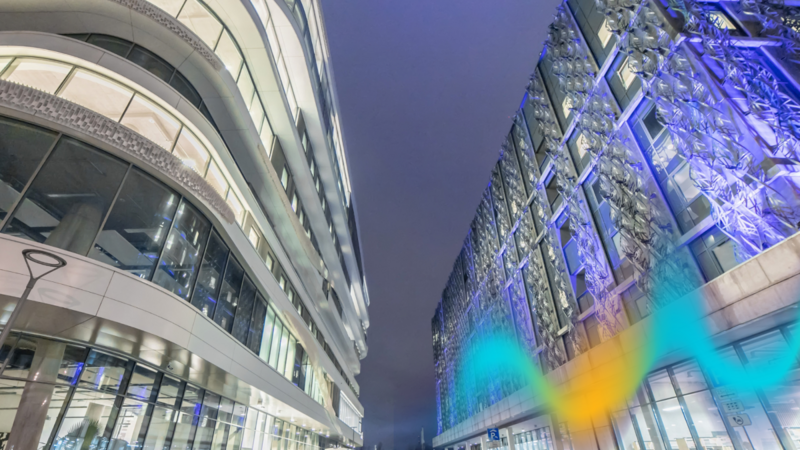
The name “Aurora Nexus” symbolically connects science and society. Aurora, or the northern lights, represents the light of knowledge and inspiration, while Nexus signifies a point of connection. Together, they reflect the project’s essence – to create an environment where researchers, society, art, and technology meet, shaping a new perspective on science. The project will provide broader opportunities for public engagement and deeper understanding of research processes. Anyone will be able to participate, regardless of prior knowledge or experience.
“Aurora Nexus” is:
an opportunity for everyone to explore science through engaging activities, experiments, and discussions;
for students – a chance to meet researchers and understand the role of science in everyday life;
for society – a broader understanding of how science and research impact our lives and future;
for young people – an encouragement to pursue careers in science.
At the European level, European Researchers’ Night attracts more than 1.5 million visitors annually, making it the largest science communication event. In Latvia, for example, Researchers’ Night activities were attended by 29.6 thousand participants in 2025.
About MSCA
The Marie Skłodowska-Curie Actions (MSCA) is a European Union programme supporting research, innovation, and science communication. The initiative “MSCA and Citizens” strengthens interaction between researchers and society and promotes interest in science and research careers. In 2026, the MSCA programme celebrates its 30th anniversary, reinforcing its importance in the development of European research and science communication.
The University of Latvia science communication project “Aurora Nexus: Connecting People, Science & Arts” is implemented with the financial support of the European Commission under the programme “MSCA and Citizens: European Researchers’ Night and Researchers at Schools 2026-2027.”

Research Takes the Stage Through Music, Dance and Sound Art at the UL’s European Researchers’ Night
 and is launching the large-scale science communication project “Aurora Nexus”, which over the next two years will strengthen the connection between society, science, and the arts in Latvia. The University of Latvia is the only institution from Latvia to receive funding in this call, demonstrating its strong international competitiveness.)