
Those who applied to the University of Latvia (UL) and graduated from it this year, continue the tradition and seek new knowledge in higher education. This tradition in Latvia started 150 years ago with the opening of the Riga Polytechnicum (RP).
Historical background
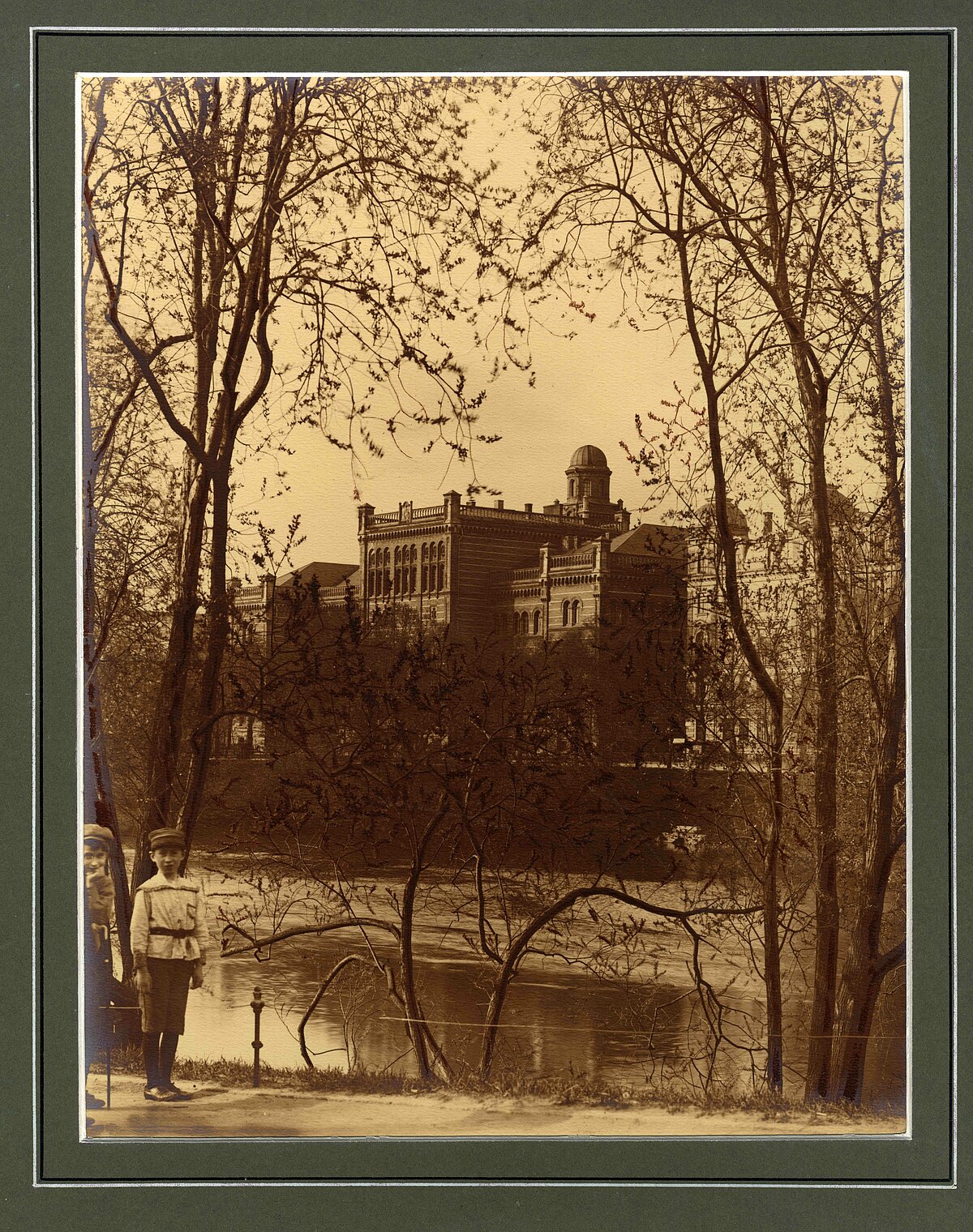
The RP (1862-1919) - the first multi-disciplinary technical higher education institution in the Russian Empire – was founded on October 14, 1862. It marked a major turning point not only in Riga’s development, but also in the whole history of Latvia. This is not just a past event, referred to those who have an interest in history. We see and feel the heritage of the RP every day, walking down the streets of the capital of Latvia. Architects, prepared by the RP, created Riga and other Latvian cities with their time modern brick buildings; its engineers were involved in water supply systems, bridges and embankment construction, in the development of rail and public transport systems; highly skilled professionals in economic and cultural areas were working together, creating the modern city of Riga and breaking grounds in the areas which still keep evolving.
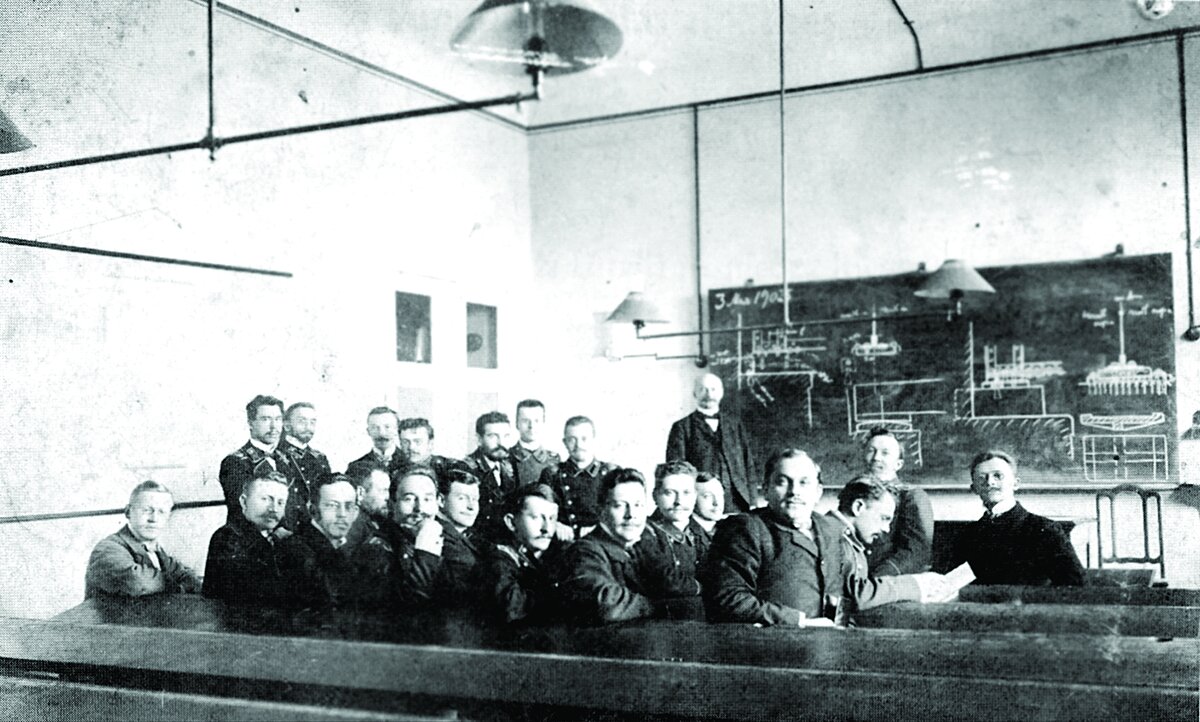
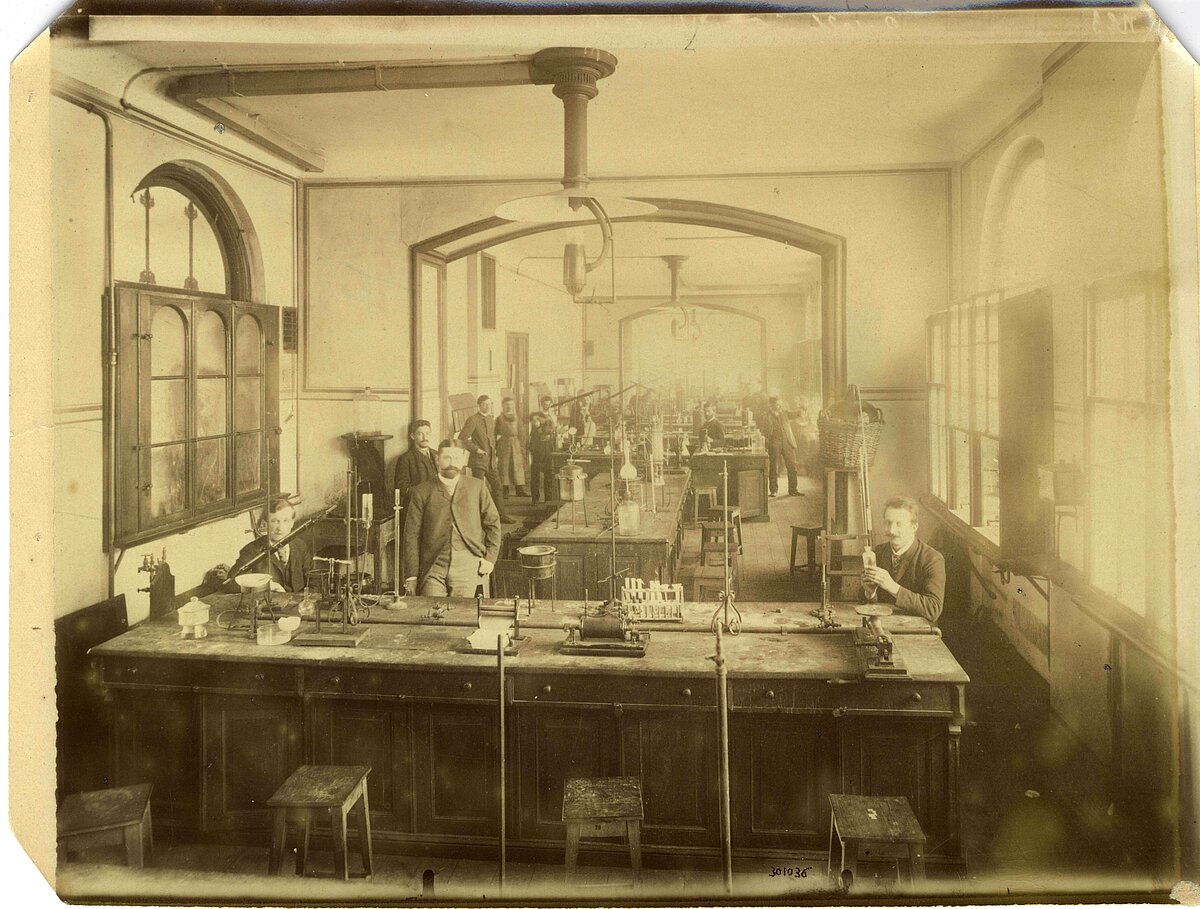
The RP’s study programme required a thorough background, therefore prospective students often went to a preparatory school, where they acquired elementary mathematics, zoology, botany, physics, basic mechanics, freehand drawing and drafting. The subjects included Religion, Calligraphy, Gymnastics and languages - German, Russian, English and French. Initially, almost all of the RP’s lecturers were invited from abroad, internationally recognized scientists were members of the teaching staff and much attention was paid to the labs and the library; the RP’s utmost aim was to prepare theoretically and practically educated generalists in chemistry, engineering, agriculture, mechanics, commerce, architecture and land surveying.
Desire to learn and explore
Who could become a student of the RP? In addition to complicated entrance examination, this was also one of the most expensive higher schools in Russia with an extra fee for the practical work in the laboratory. Neither could you become a student without an excellent knowledge of German, as till 1896 it was the only study language (later the official language was changed to Russian together with the changes in the structure of the higher school and its renaming to Riga Polytechnic Institute). There were no enrolment restrictions by religion or nationality, but, like in all higher education schools in Tsarist Russia, female students were not accepted in the RP, because the school leaders believed they could bring "disorder or something worse" in the academic environment. The increase in the number of students during the school’s history is impressive. In the first academic year there were only a dozen of students, but in a few years their number reached two thousand due to the high quality and diversity of the study programmes. Among the outstanding RP graduates are Eižens Laube and Konstantīns Pēkšēns, the first Latvian architects, Fridrihs Canders, one of the first rockets builders, Pauls Valdens, world famous chemist, Ignacy Moscickis, president of Poland, Zigfrīds Anna Meierovics, the first Latvian foreign minister, as well as several Latvian prime ministers and ministers, four of Riga mayors, including George Armitstead, and Rectors of the UL Eižens Laube, Mārtiņš Bīmanis and Mārtiņš Prīmanis.
The RP graduates worked for the Latvian economy, finance, industry, agriculture and trade, and of course, they were scientists, who contributed to Riga becoming an important learning and research centre. However, as a consequence of World War I Riga Polytechnicum was officially closed in 1919.
Polytechnicum succession
After the RP was closed in the early 20th century, many of its teaching staff and graduates were involved in a newly established higher education school. On September 28, 1919, the first national higher school in Latvia - the UL - was opened. Adopting and maintaining the RP’s accomplishment, the UL also expanded the fields of scientific studies, and obtained a universal university status. Almost for forty years, this university had successfully ensured the development of technical sciences in Latvia, and in 1958, based on four UL faculties - Architectural, Engineering, Mechanics and Chemistry – a new technical higher school was founded. It continues the academic traditions of the UL technical faculties and with reference to the RP it was named the Riga Polytechnic Institute. In 1990 it received its present name - the Riga Technical University (RTU). This year celebrating the historic RP anniversary, we can see that the establishers and students of the school founded 150 years ago, as well as lecturers and students of the later established UL and RTU share a similar desire - to explore and understand the world around them.
Translated by students of the professional study programme Translator of the University of Latvia.
Historical background
The RP (1862-1919) - the first multi-disciplinary technical higher education institution in the Russian Empire – was founded on October 14, 1862. It marked a major turning point not only in Riga’s development, but also in the whole history of Latvia. This is not just a past event, referred to those who have an interest in history. We see and feel the heritage of the RP every day, walking down the streets of the capital of Latvia. Architects, prepared by the RP, created Riga and other Latvian cities with their time modern brick buildings; its engineers were involved in water supply systems, bridges and embankment construction, in the development of rail and public transport systems; highly skilled professionals in economic and cultural areas were working together, creating the modern city of Riga and breaking grounds in the areas which still keep evolving.
The RP’s study programme required a thorough background, therefore prospective students often went to a preparatory school, where they acquired elementary mathematics, zoology, botany, physics, basic mechanics, freehand drawing and drafting. The subjects included Religion, Calligraphy, Gymnastics and languages - German, Russian, English and French. Initially, almost all of the RP’s lecturers were invited from abroad, internationally recognized scientists were members of the teaching staff and much attention was paid to the labs and the library; the RP’s utmost aim was to prepare theoretically and practically educated generalists in chemistry, engineering, agriculture, mechanics, commerce, architecture and land surveying.
Desire to learn and explore
Who could become a student of the RP? In addition to complicated entrance examination, this was also one of the most expensive higher schools in Russia with an extra fee for the practical work in the laboratory. Neither could you become a student without an excellent knowledge of German, as till 1896 it was the only study language (later the official language was changed to Russian together with the changes in the structure of the higher school and its renaming to Riga Polytechnic Institute). There were no enrolment restrictions by religion or nationality, but, like in all higher education schools in Tsarist Russia, female students were not accepted in the RP, because the school leaders believed they could bring "disorder or something worse" in the academic environment. The increase in the number of students during the school’s history is impressive. In the first academic year there were only a dozen of students, but in a few years their number reached two thousand due to the high quality and diversity of the study programmes. Among the outstanding RP graduates are Eižens Laube and Konstantīns Pēkšēns, the first Latvian architects, Fridrihs Canders, one of the first rockets builders, Pauls Valdens, world famous chemist, Ignacy Moscickis, president of Poland, Zigfrīds Anna Meierovics, the first Latvian foreign minister, as well as several Latvian prime ministers and ministers, four of Riga mayors, including George Armitstead, and Rectors of the UL Eižens Laube, Mārtiņš Bīmanis and Mārtiņš Prīmanis.
The RP graduates worked for the Latvian economy, finance, industry, agriculture and trade, and of course, they were scientists, who contributed to Riga becoming an important learning and research centre. However, as a consequence of World War I Riga Polytechnicum was officially closed in 1919.
Polytechnicum succession
After the RP was closed in the early 20th century, many of its teaching staff and graduates were involved in a newly established higher education school. On September 28, 1919, the first national higher school in Latvia - the UL - was opened. Adopting and maintaining the RP’s accomplishment, the UL also expanded the fields of scientific studies, and obtained a universal university status. Almost for forty years, this university had successfully ensured the development of technical sciences in Latvia, and in 1958, based on four UL faculties - Architectural, Engineering, Mechanics and Chemistry – a new technical higher school was founded. It continues the academic traditions of the UL technical faculties and with reference to the RP it was named the Riga Polytechnic Institute. In 1990 it received its present name - the Riga Technical University (RTU). This year celebrating the historic RP anniversary, we can see that the establishers and students of the school founded 150 years ago, as well as lecturers and students of the later established UL and RTU share a similar desire - to explore and understand the world around them.
Translated by students of the professional study programme Translator of the University of Latvia.
