
 CONFERENCE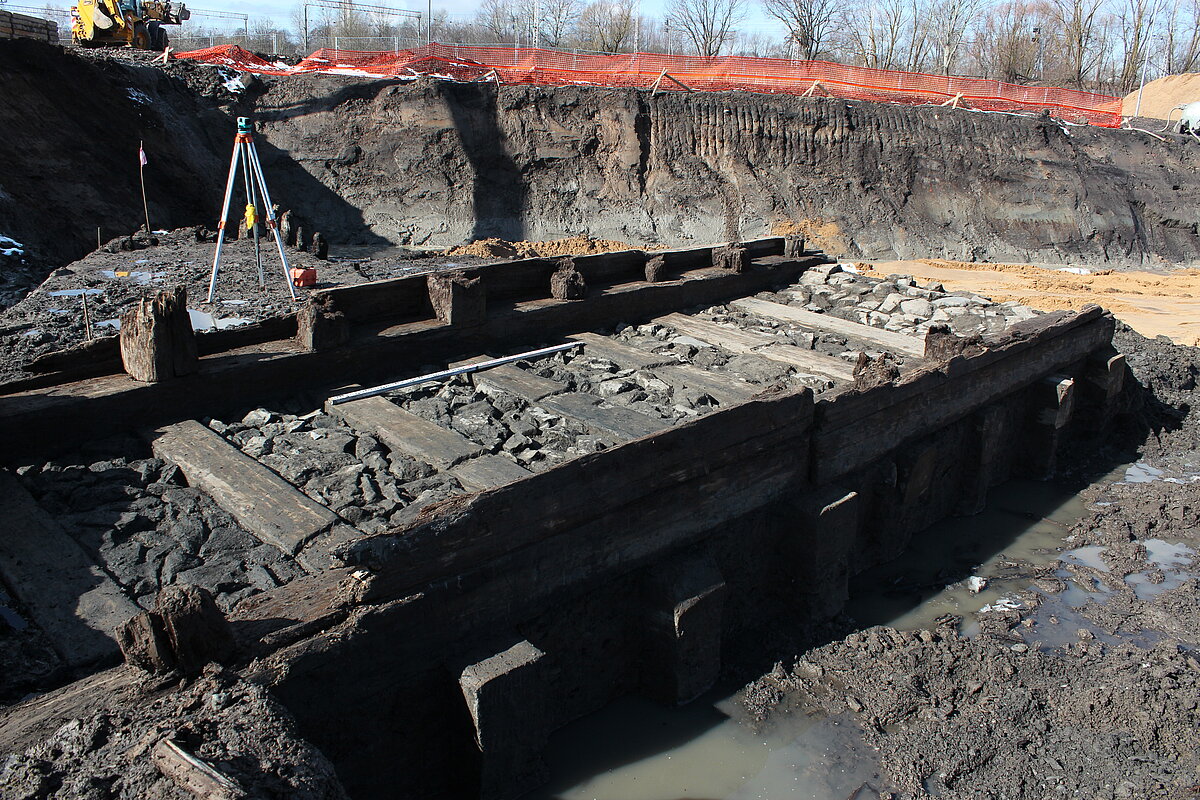
The ceremony, attended by highest governmental officials, was held in Torņakalns on 28 May. It is the place for future location of the Academic Centre. This winter, after obtaining the necessary construction permit, the first construction stage was launched. The beginning of the construction works of the UL Academic Centre is the biggest present for the University on its 95th anniversary.
The Centre will bring together four science centres
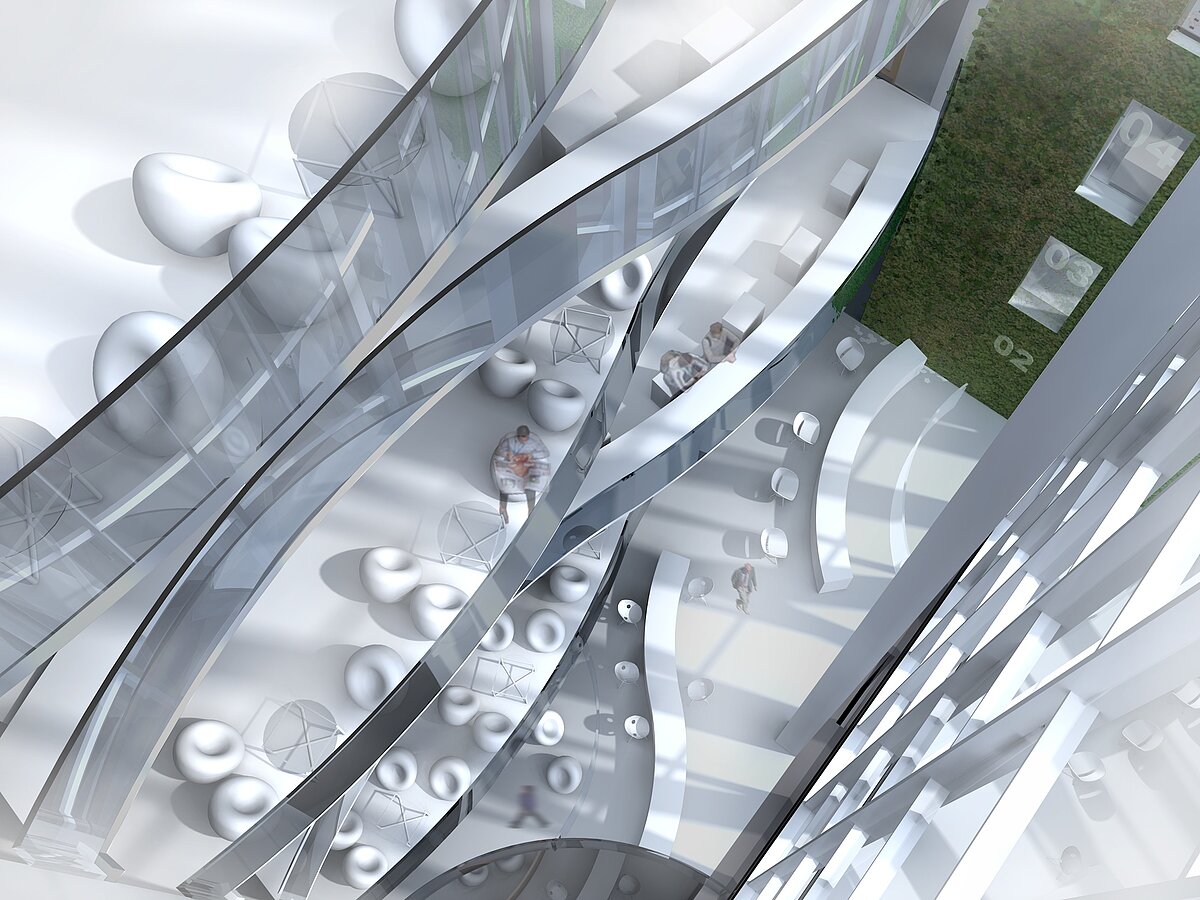
The Centre of Natural Sciences will bring together four faculties: Faculty of Biology, Faculty of Chemistry, Faculty of Geography and Earth Sciences, and Faculty of Medicine. It will also be home for Institute of Microbiology, and Biotechnology, and Institute of Chemical Physics. The Centre will accommodate around 3,000 students, scientists, and members of teaching staff. Provisionally, construction works of the first Centre will be finished in 2015. This stage will be followed by construction of the Centre for Humanities, Centre for Pedagogical Education and Centre for Social Sciences.
Between Riga Old Town and garden sheds
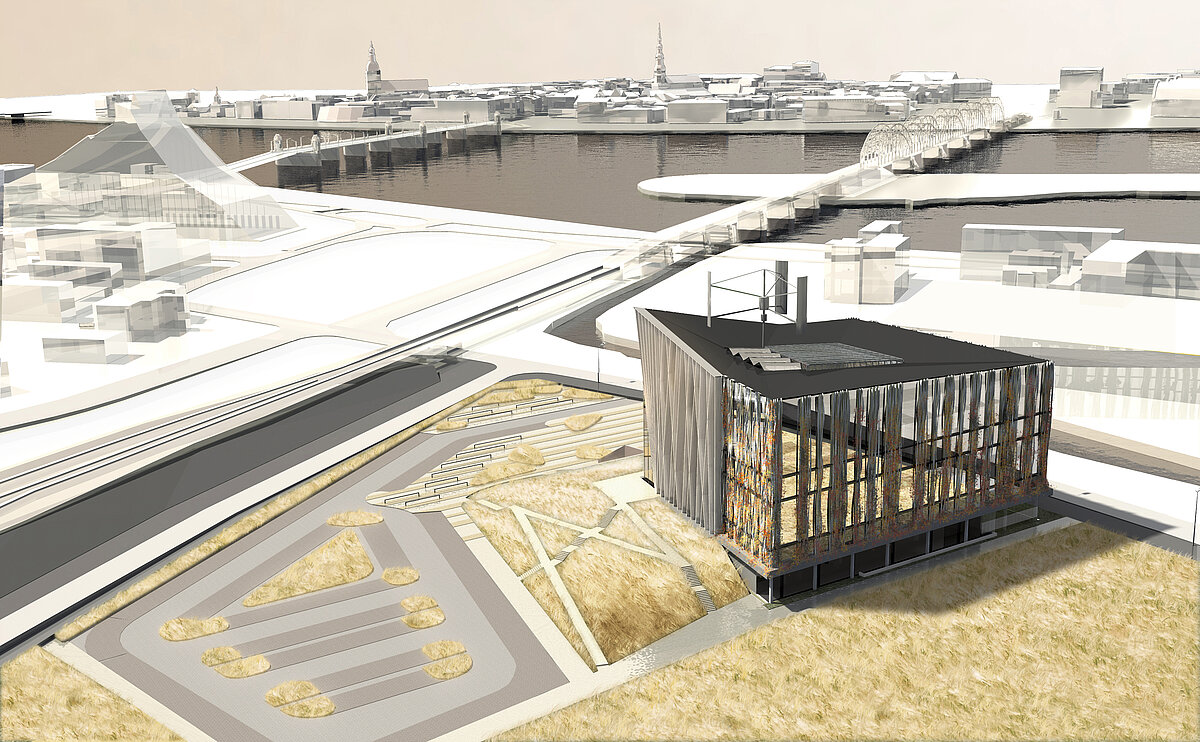
Location for the UL Academic Centre is a blend of historical heritage and contemporary symbols of the city. Once it has been a part of the Old Jelgava Road, first marked on the map in 1764, but later it was transformed into allotment gardens. The landscape is especially idyllic in the summer and only city buzz might suggest close proximity to Riga City Centre. This place holds evidence of old times in wooden and masonry buildings, some forgotten, but some well maintained, while tinplate roofs of wood storage sheds speak of more recent history of the city. Finally, the building of the Latvian National Library symbolically called the Castle of Light will complete the landscape of the UL Academic Centre.
According to architect Vita Polkovņikova, not only the National Library, but the Church of Troņakalns and famous Riga scenery will be seen from the UL Academic Centre. The Academic square to be built at the same height as the nearby railroad will allow visitors to enjoy the view of these significant city sites.
It is planned that wild grapes will cover walls of the Centre of Natural Sciences as a symbolic decoration of the building. Leaves of the plant change colours seasonally and become vividly red in the autumn.
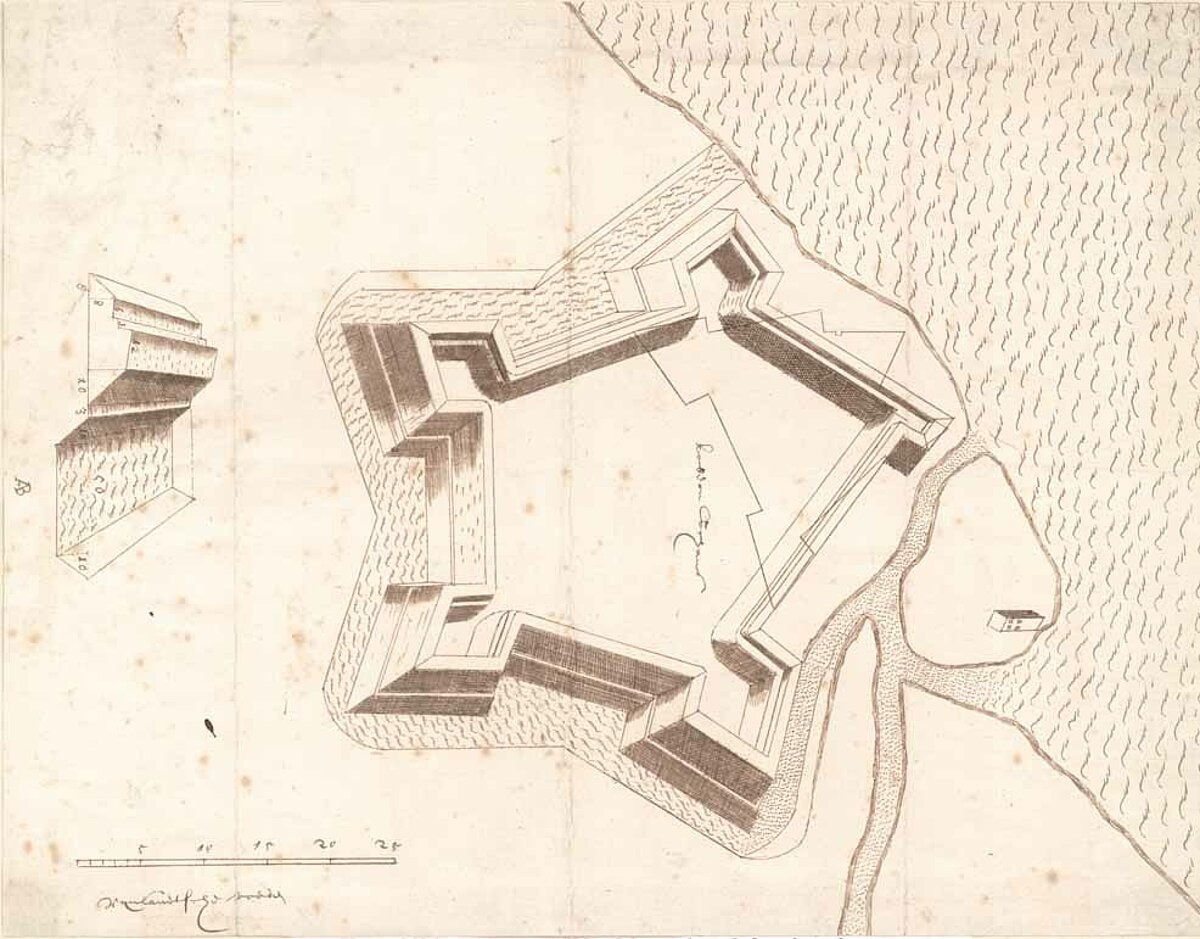
Before the construction started, an archaeological research was carried out in the construction site. It was needed because this place once belonged to Kobronskanstes Fortress designed by Swedish Major General Cobron in the 17th century. Besides, it is an assumed location of the village around the Red Tower of Riga mentioned in the medieval written sources. This guard tower gave its name to Torņakalns neighbourhood (‘tornis’ in Latvian means ‘tower’). The archaeological research revealed parts of Kobronskanstes Fortress as well as coins and other items related to the Red Tower village.
This article contains information from LTV1 programme Ielas garumā.
