
Bachelor's programme in Environmental Science
Level of study: |
Duration: |
Form of study: |
Language: |
Credits: |
Location: |
Degree: |
Tuition fee: |
Amount of spaces: |









Environmental Science is an interdisciplinary field that studies natural systems and their interactions with human environments. It applies a systems-based approach, developing understanding and conclusions grounded in research from both the natural and social sciences.
The programme consists of core compulsory courses and elective courses in related disciplines, providing a broad and well-rounded introduction to environmental science.
During their studies, students can gain in-depth knowledge of geographic information systems (GIS), resource assessment and management, biodiversity conservation and governance, as well as other essential competencies and skills required of environmental professionals.
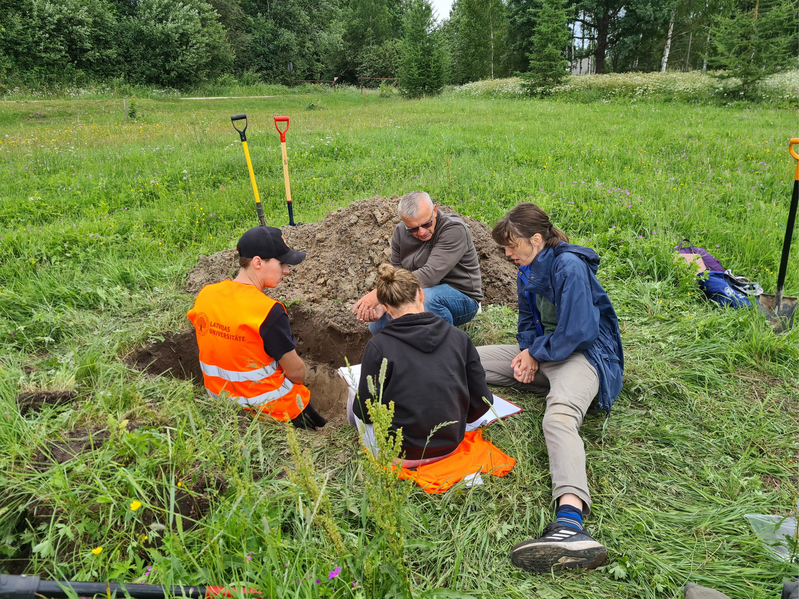
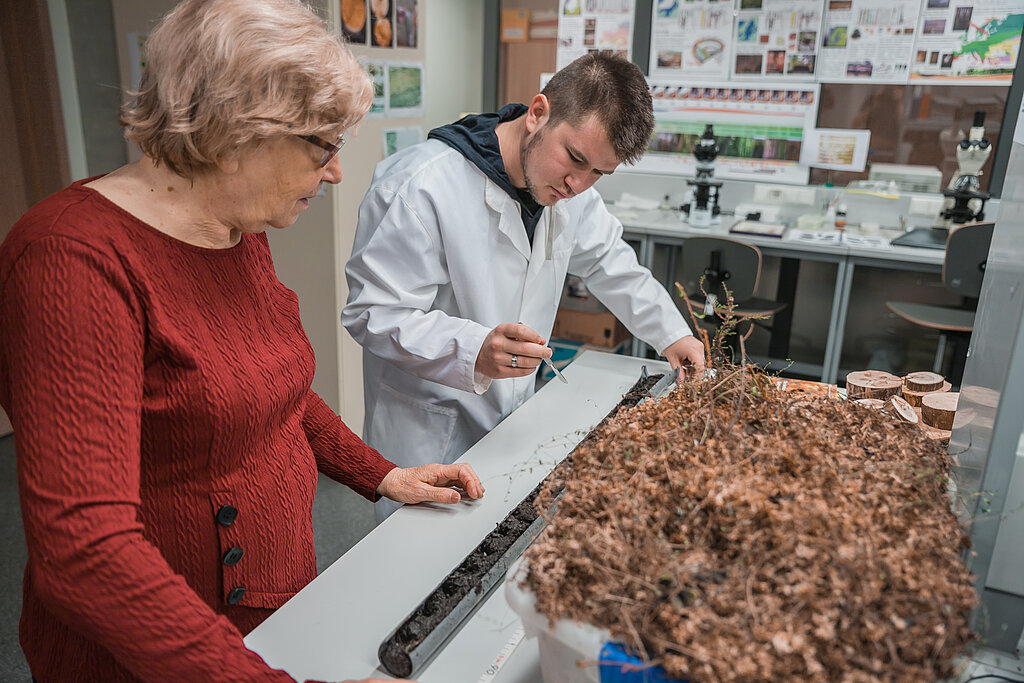
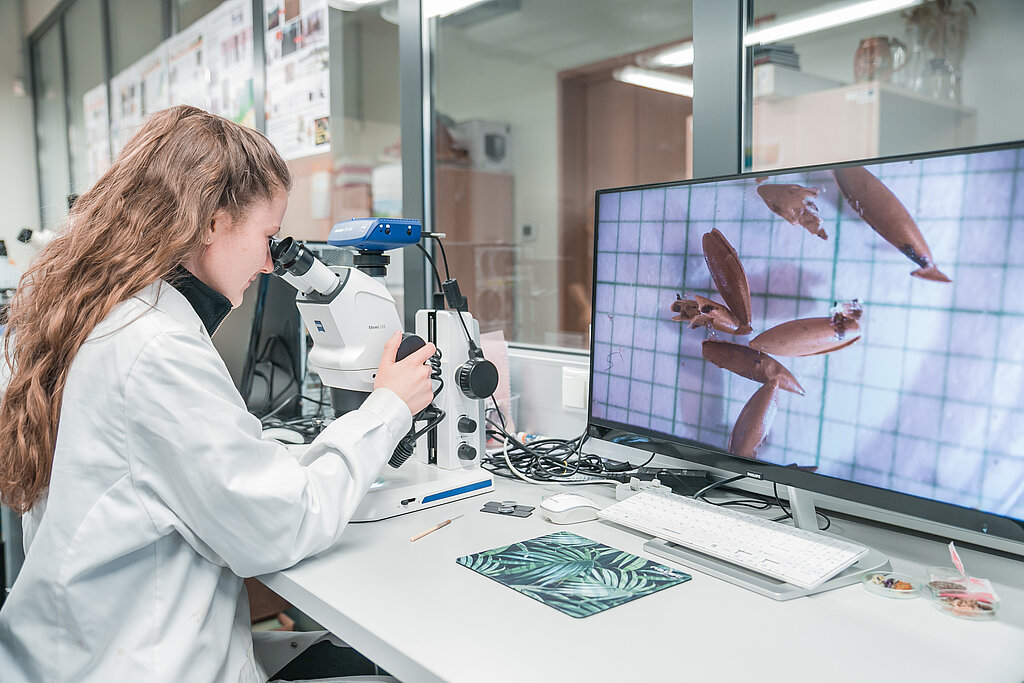
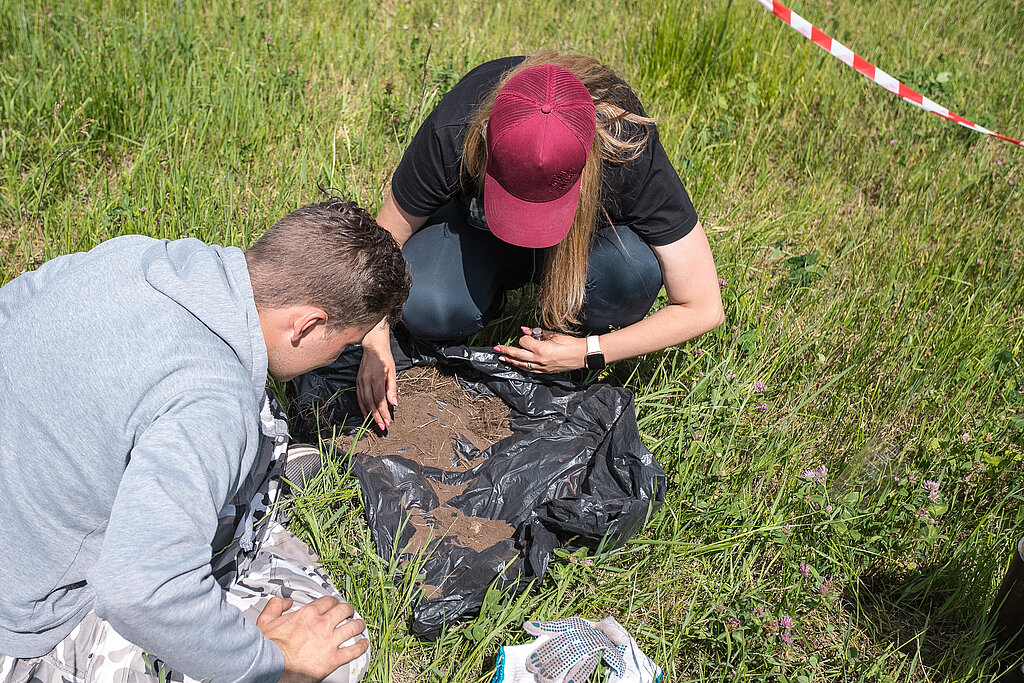
Practical experience is an integral part of the programme. Students develop their skills through laboratory work, field courses across various regions of Latvia, and professional internships in companies, public institutions, or non-governmental organisations. The programme concludes with an independent research project in environmental science, presented in the Bachelor’s thesis, where students demonstrate their main findings.
Subjects to be studied:
- Environmental chemistry
- Environmental pollution
- Ecology with the basics of landscape ecology
- Environmental Economics
- Environmental technologies
- Environmental management
- Environmental rights
- Data analysis in environmental and earth sciences
- Biology
- Earth physics
- Chemistry
- Earth sciences, etc
Job opportunities: Environmental quality monitoring, control and purification, impact and course of anthropogenic and natural processes, and adaptation in the future are the basis of environmental science studies. These issues are solved by building new production facilities, cleaning up the polluted environment or taking care of sustainable development. Job opportunities – European Commission, Ministry of Environmental Protection and Regional Development, Latvian Center for Environment, Geology and Meteorology, State Environmental Service, Ministry of Agriculture, Latvian State Forests, municipalities, non-governmental organizations, private environmental consulting firms, production and service companies, also scientific and pedagogical work at the University of Latvia.
You can find out about the admission requirements for the study program by switching to the Latvian version of the website.
imants.kukuls@lu.lv
ENVIRONMENTAL SCIENCE = LU
SUSTAINABLE DEVELOPMENT
CIRCULAR ECONOMY
RESOURCE CYCLES
UNDERSTANDING ECOSYSTEMS
CLIMATE AND ENVIRONMENTAL CHANGE
INTERDISCIPLINARY LEARNING
Alumni Stories
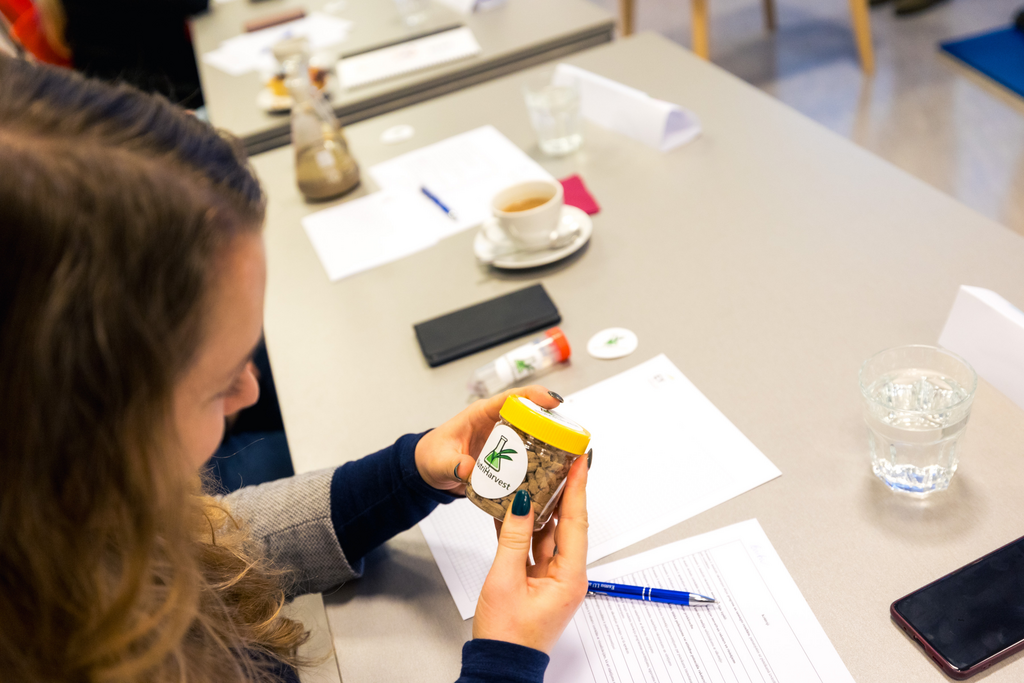
Studying Environmental Science is not only about academic knowledge or laboratory work — it is about learning how to think more broadly and see the bigger picture.
One of the strengths of the Faculty of Geography and Earth Sciences is that even when completing the same assignment, each student can develop different skills — the ones that matter most to them.

YOU COULD ALSO BE INTERESTED IN
Geography
Bachelor's study programme
Geoinformatics
Bachelor’s study programme
Physics
Bachelor's study Programme