
 CONFERENCE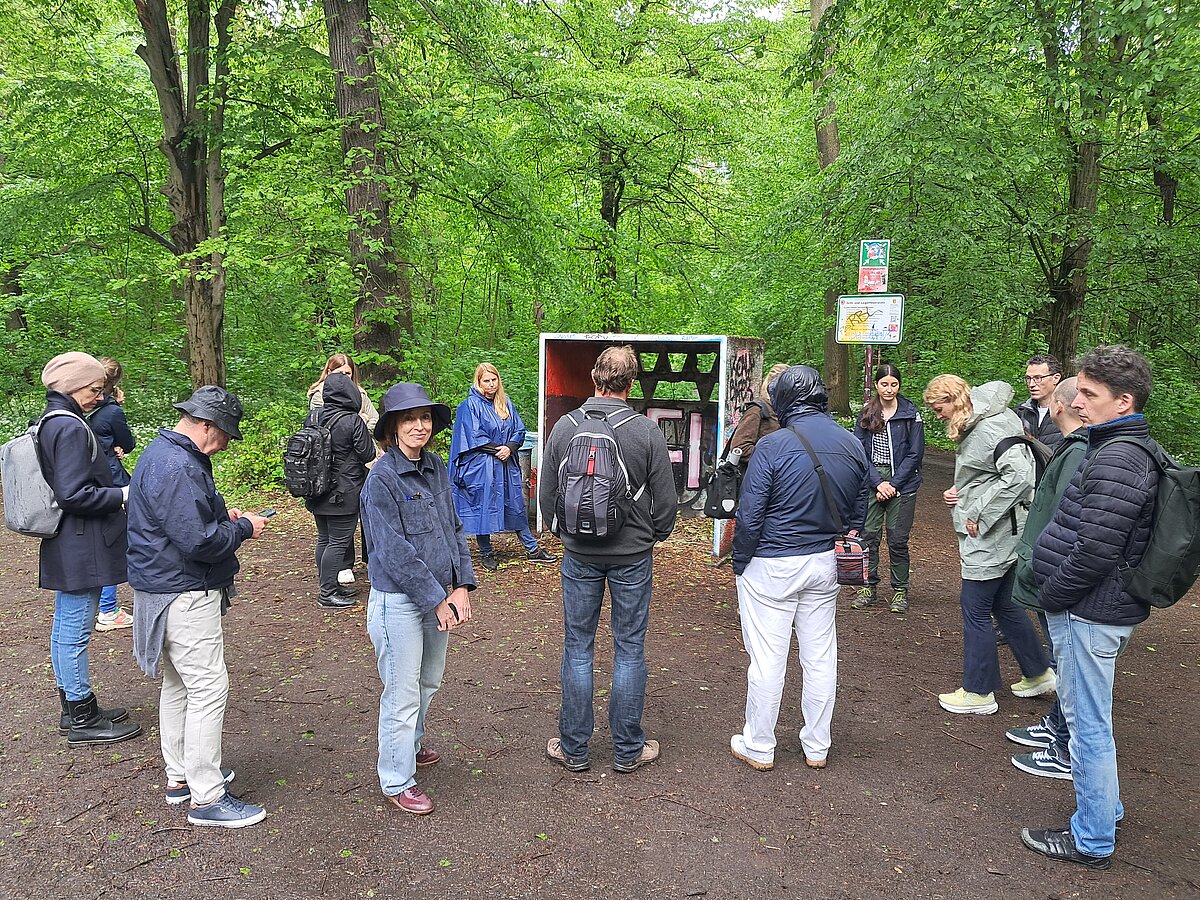
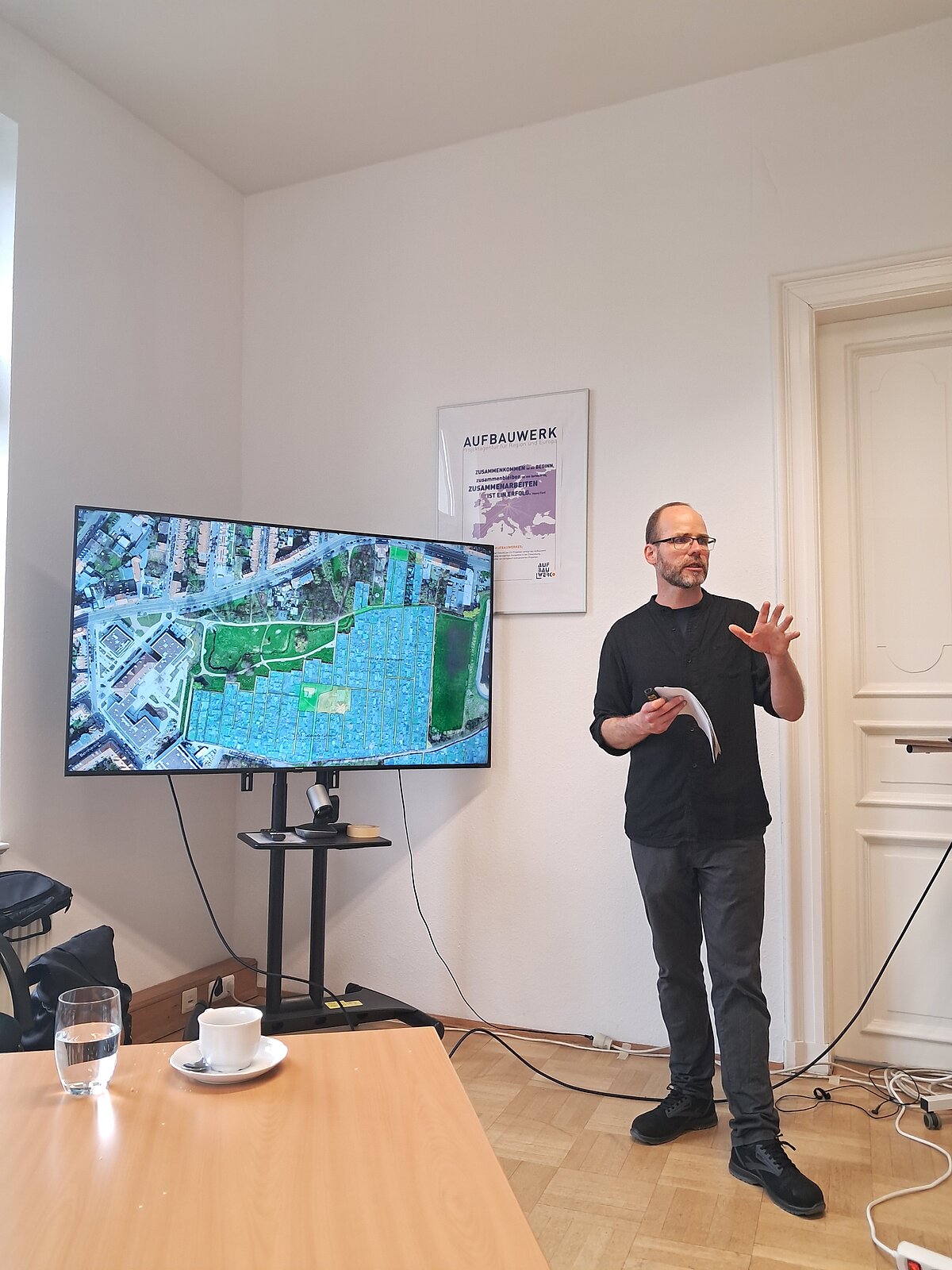
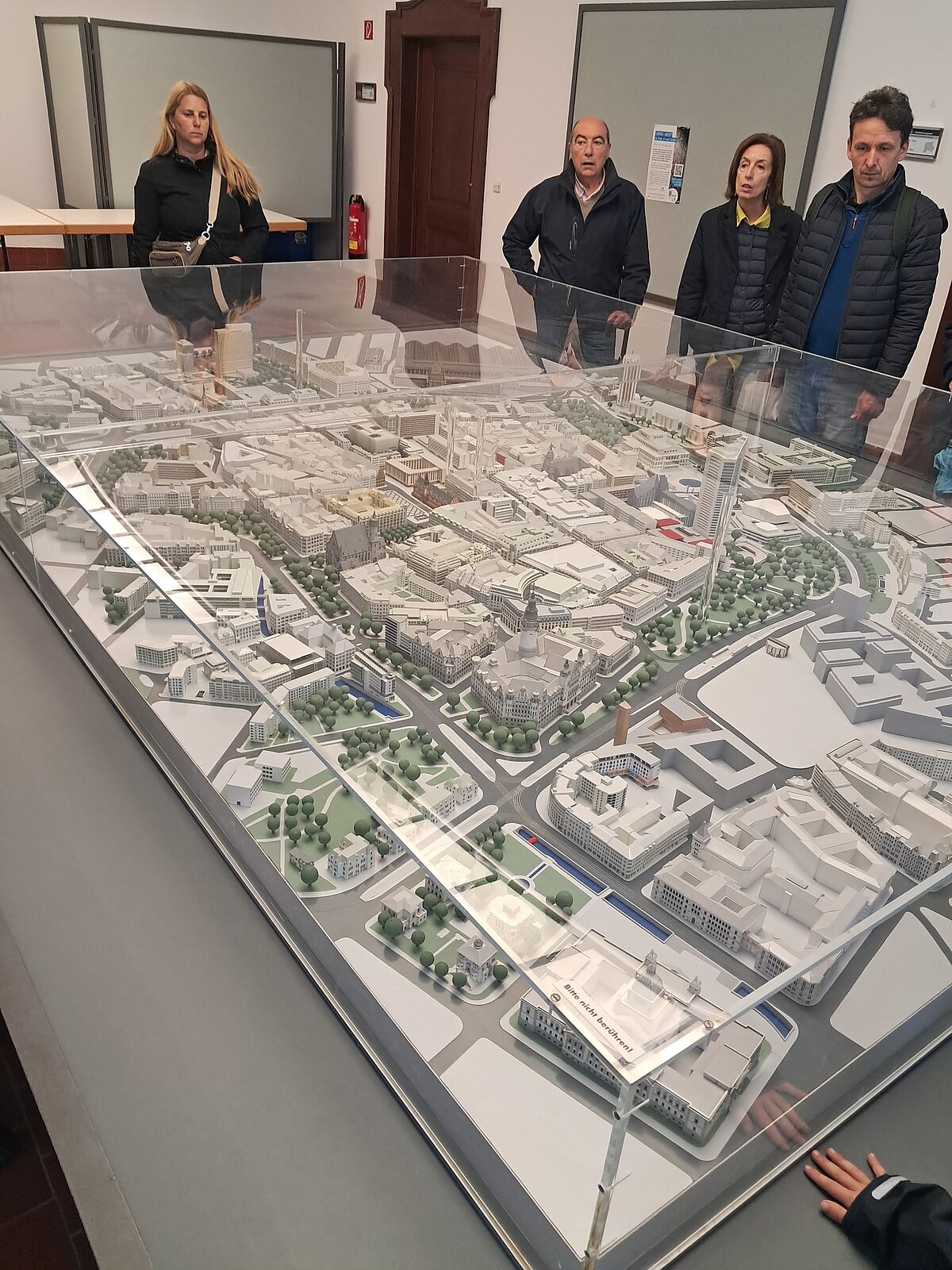
The meeting opened with a welcome session at Aufbauwerk Region Leipzig GmbH, including an introduction to the organisation and an overview of Leipzig’s green infrastructure. Representatives of the Lead Partner - Instituto de Estudos do Territorio (Spain) presented updates on project implementation, management, financial and communication activities, as well as preparations for the final dissemination event in Belgium. Next, partners reviewed the status of peer reviews and good practices and discussed the improvement of policy instruments in participating regions. The exchanges highlighted the importance of interregional cooperation in promoting sustainable approaches to forest and tree management.
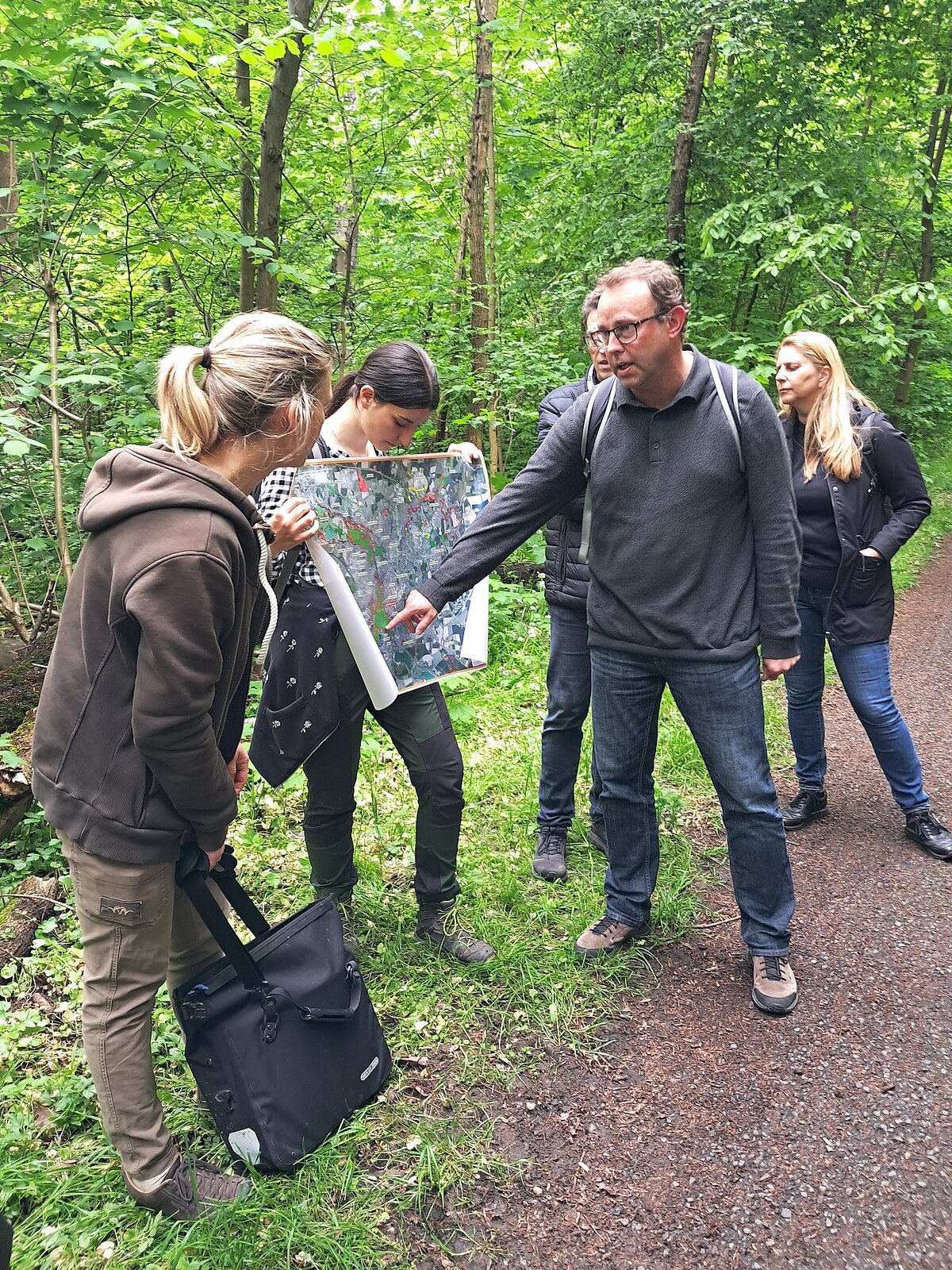
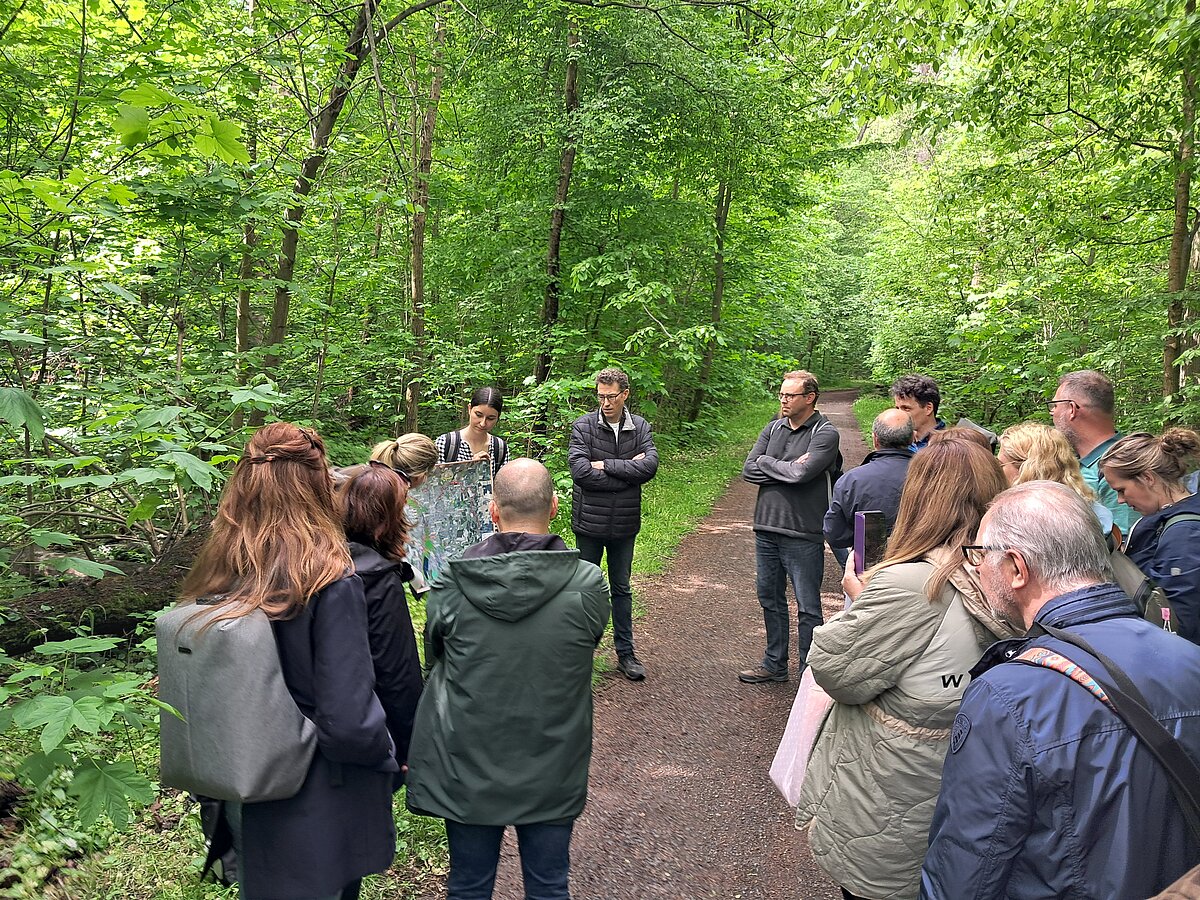
A central element of the programme was the study visit to the Leipziger Auwald, one of Europe’s most significant urban floodplain forests. Guided by a local expert, participants gained valuable insights into the unique ecosystem of the forest and learned more about its diverse flora and fauna, as well as the ecological importance of this protected natural area within the urban environment of Leipzig. During the visit, partners explored practical examples of green infrastructure management and discussed current challenges and opportunities related to urban forests, biodiversity protection, water management, and climate resilience.
The second day of the meeting began at Leipzig’s New City Hall, where participants were welcomed with an impressive view over the city’s green infrastructure from the tower of the historic building.
The programme then focused on the pilot actions implemented within the GIFT project, with the Leipzig pilot project serving as the central element of the day’s activities. The scientific partner of the Leipzig pilot action, “Wood Mould Boxes for Leipzig’s Citizens’ Allotments”, presented the current state of implementation, provided insights into the objectives, and expected environmental benefits of the initiative. It followed by a presentation from the Lead Partner on the progress of the pilot project in Galicia.
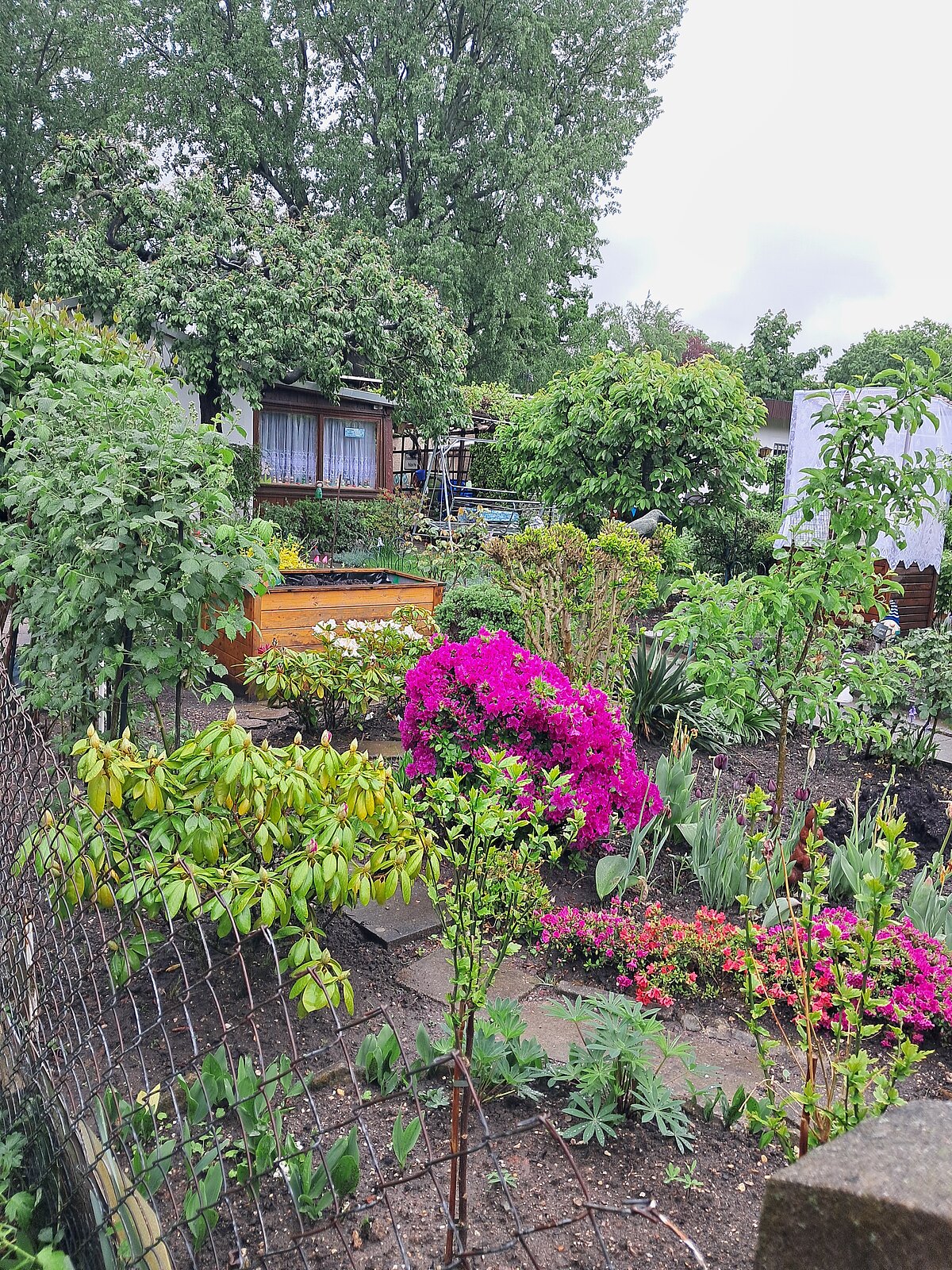
The pilot action presentations were complemented by a session on Leipzig’s allotment gardens. The City’s Head of the Gardens Department provided an overview of the management of allotment gardens in Leipzig, including organisational structures, their ecological and social importance, and ongoing transformation and redevelopment measures within the city’s garden landscape.
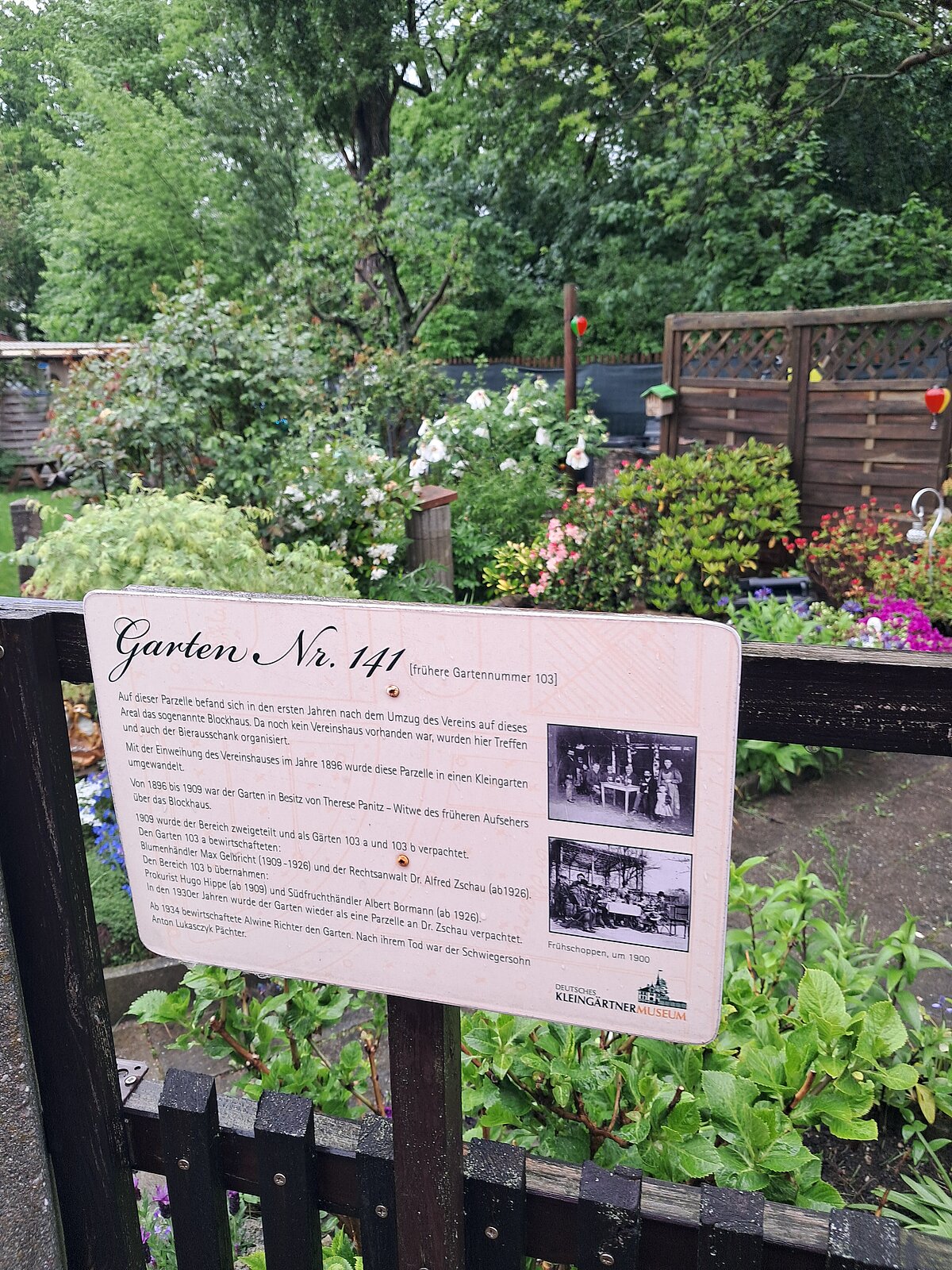
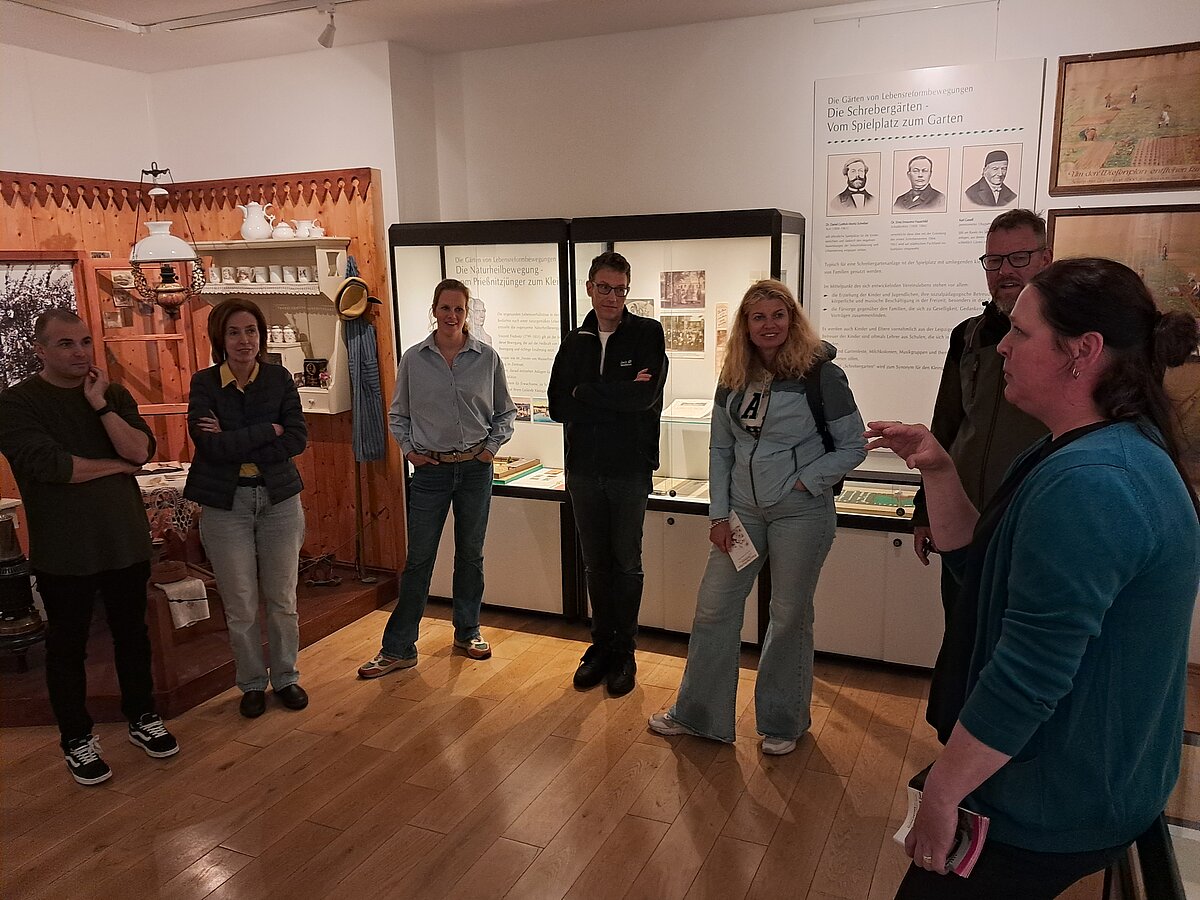
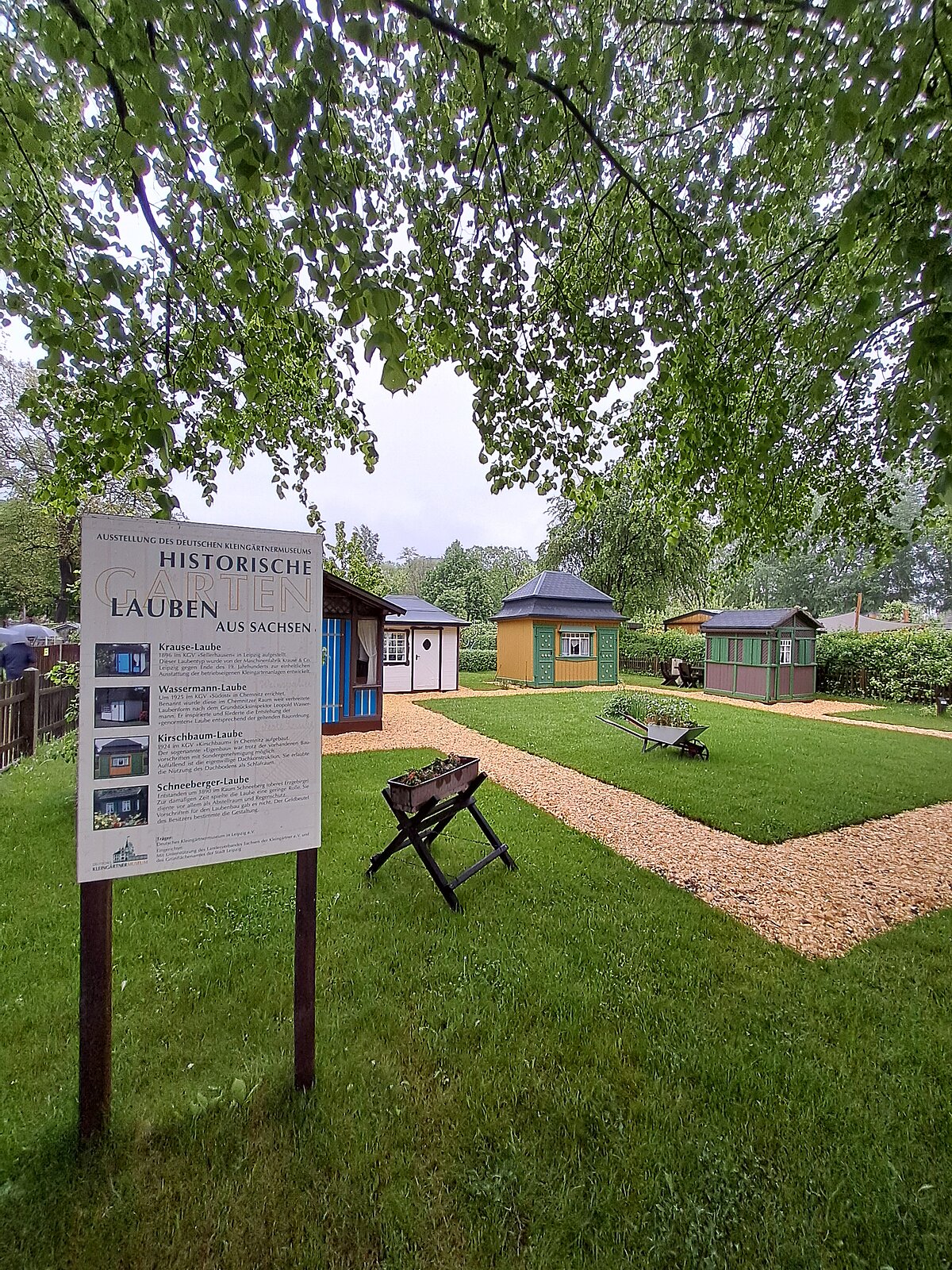
The programme continued with a study visit to the Leipzig Allotment Garden Museum, where participants learned about the history and cultural significance of the allotment garden movement in Leipzig. Historical garden cottages were opened for visitors, offering participants a direct insight into the development and traditions of urban gardening culture in the region.
Through the various programme activities on the second day, participants gained a comprehensive understanding of Leipzig’s allotment garden landscape and its contribution to urban biodiversity, community engagement, and sustainable green infrastructure development.
Overall, the discussions in Leipzig underlined the continued commitment of all partners to strengthening green infrastructure policies and promoting resilient, sustainable landscapes throughout Europe.
.)