Master's programme in Geography
Level of study: |
Duration: |
Form of study: |
Language: |
Credits: |
Location: |
Degree: |
Tuition fee: |
Amount of spaces: |









The aim of the Master’s study programme in Geography is to develop an in-depth academic understanding of interactions within society–environment systems, their diverse manifestations in geographical space, and the sustainable management of natural and social resources.
Upon completion of the programme, graduates are expected to possess competencies relevant to various fields related to territorial governance. They are qualified for employment in environmental management, territorial and spatial development planning, as well as in the spatial governance of societal processes.
Study courses are built around study blocks:
- Geography and dynamics of human-environment systems;
- Geography and dynamics of society-space;
- The geography and dynamics of nature-human systems;
- These blocks reflect the research and professional experience of the academic staff and are designed to promote students' professional and intellectual development.
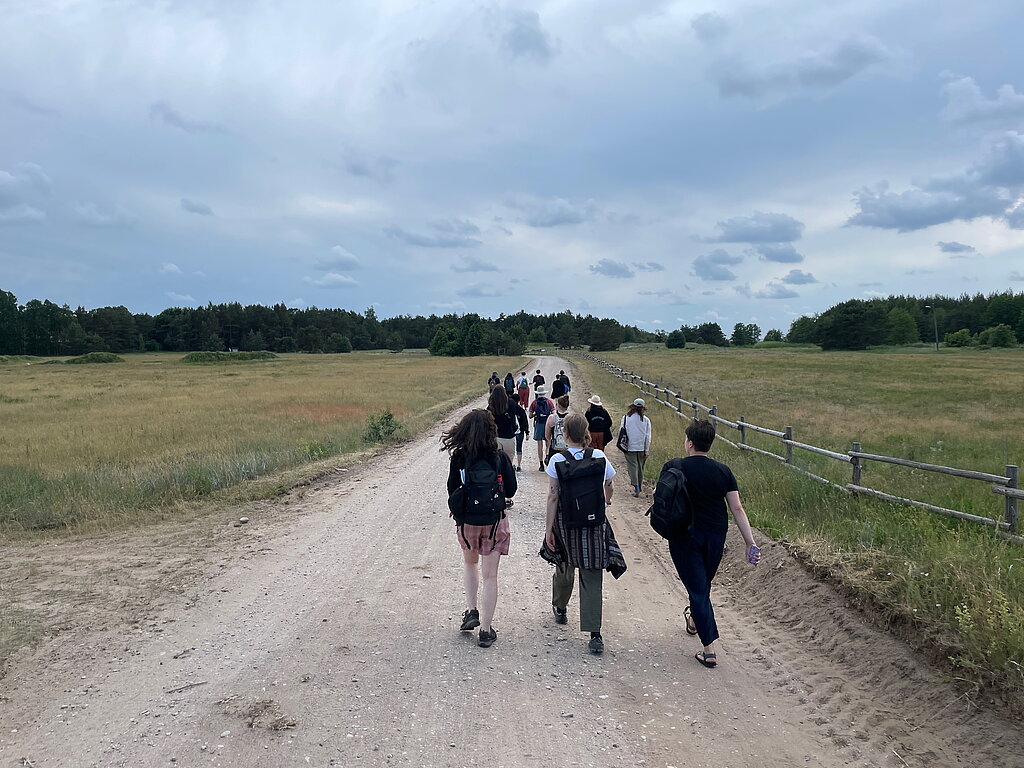
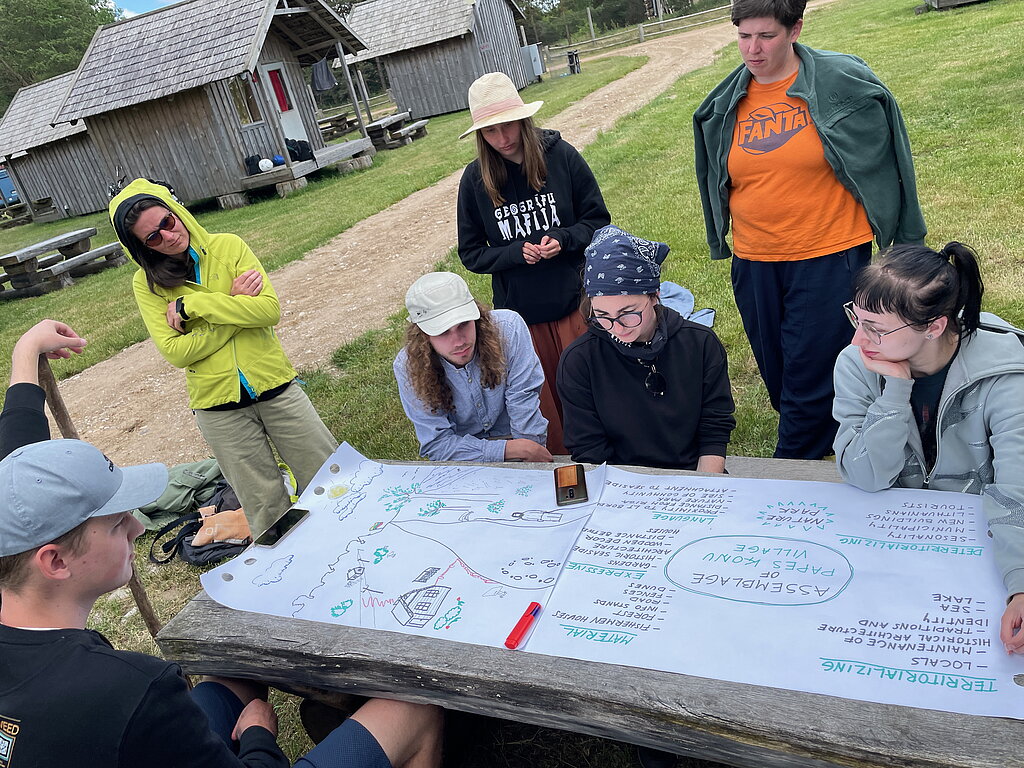
The geography study plan is designed so that students acquire theoretical knowledge and practical research skills in identifying and solving contemporary issues related to the environment, society, territory and space. During the study process, students are encouraged to become full-fledged and independent researchers, developing various research works within the study courses and specialising in one of the geography subfields within the master thesis research. Practical works and elements of field studies, applied studies and research projects in groups occupy a significant part of the study program.
We highlight some of the topics integrated into the study courses, which can be developed in depth in the master's thesis:
Geography and management of natural processes. The main manifestations of climate change in the world in general and in Latvia. The problems of dynamic processes of the earth's surface (including the soil) in the world and Latvia. The importance of river basins in territory management.
Geography and technology. The importance and challenges of geographic information systems and remote sensing technologies in management and territory management today and future. The importance of spatial modelling (including spatial modelling of wind farms) in territory planning and administration).
Geography and environment. Current driving forces of landscape change, their processes and impact on landscapes in Latvia. The role and effect of nature protection projects and recognition of various natural values in shaping the landscape. The influence of recreation and tourism development on the meanings and values of places worldwide and in Latvia. The current directions of political ecology research are studies of today and the historical environment in Latvia.
Geography and Paleoenvironment. Anthropocene era and its beginnings in Latvia and its impact on lakes. The importance of paleoenvironmental studies in today's environmental planning issues.
Geography and city. Issues of green infrastructure and microclimate in the urban environment. Challenges of sustainable cities and local communities in the world and Latvia. Current matters of urban micro-mobility. Gentrification issues in cities around the world and Latvia.
Geography and society. Social processes, their spatial organisation and interaction between different places and their impact on the population's living environment, culture, economic and ecological situation. The fundamental ways of interaction of social and spatial processes in modern cities.
Geography and mobility. Actualities of the geographical mobility of the population. The leading daily mobility problems in cities of Latvia and their solutions in the context of smart cities.
Geography and population. Challenges of demographic development and urbanisation in the population of Latvia. The role of the settlement system in economic processes, territory management and regional development.
Geography and spatial development planning. Development planning challenges of regions, municipalities and places in the context of Latvia. Prerequisites of social and economic development in housing segmentation, revitalisation of territories and local neighbourhoods. Issues of landscape and environmental planning in Latvia. Data-driven spatial planning.
Geography and cultural heritage. The connection of tangible and intangible cultural heritage with the regeneration and development of places. The importance of cultural heritage in the landscape of Latvia, in recognition of sites, symbolic meaning and values.
Potential jobs for geography masters in Latvia are territory and environmental management institutions (Ministry of Environmental Protection and Regional Development, Latvian Center for Environment, Geology and Meteorology, State Land Service, Latvian Geospatial Information Agency, etc.), territory planning and management services in municipalities, specially protected nature territorial administrations, research institutes. Specialists trained in the field of resource evaluation, planning and cartography are in demand in the private sector (for example, map publishing house "Jāņa Sēta" and surveying company "Metrum"), as well as in consulting companies. Geography specialists are also needed in the school and university systems.
You can find out about the admission requirements for the study program by switching to the Latvian version of the website.
gunta.vigule@lu.lv
Geography = LU
NATURE
CLIMATE
SUSTAINABILITY
MOBILITY
FIELD RESEARCH
LANDSCAPE ECOLOGY