
 CONFERENCE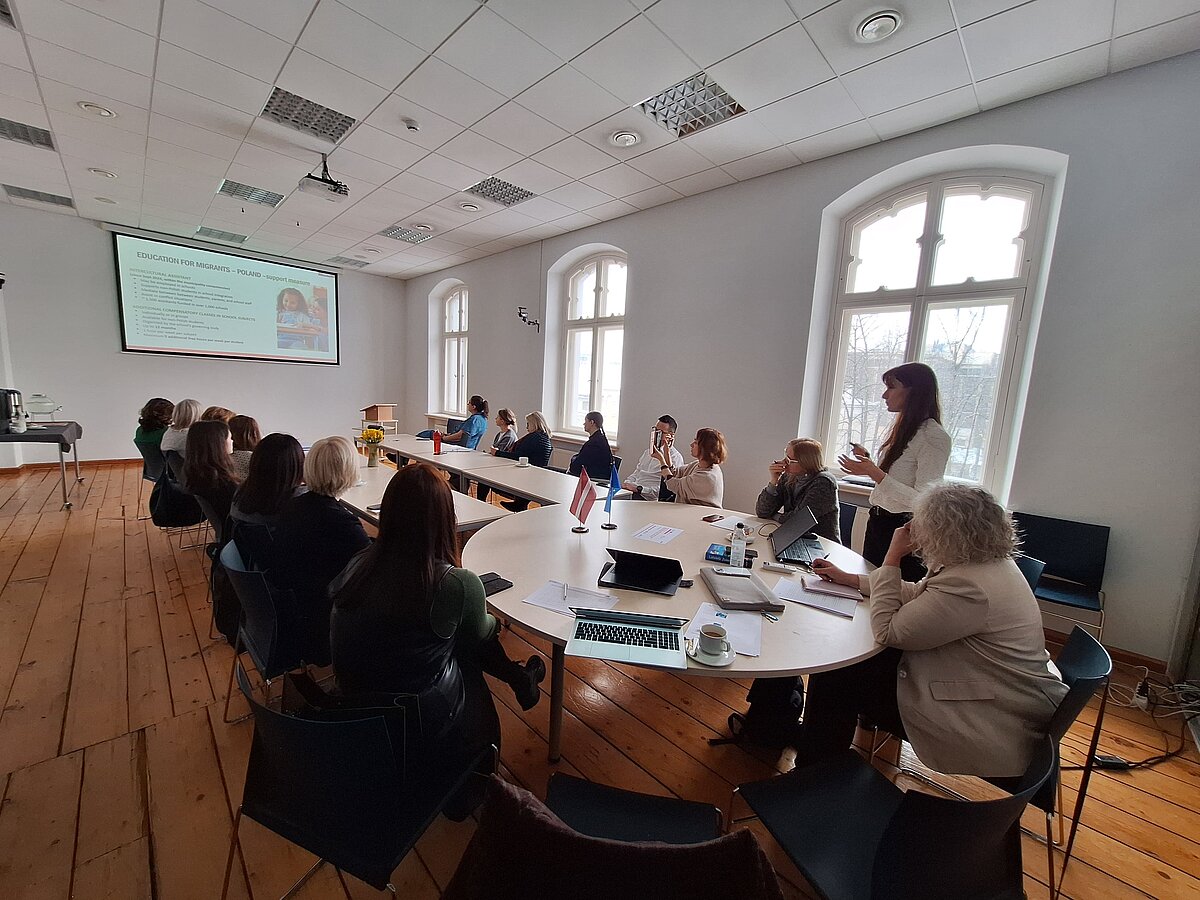
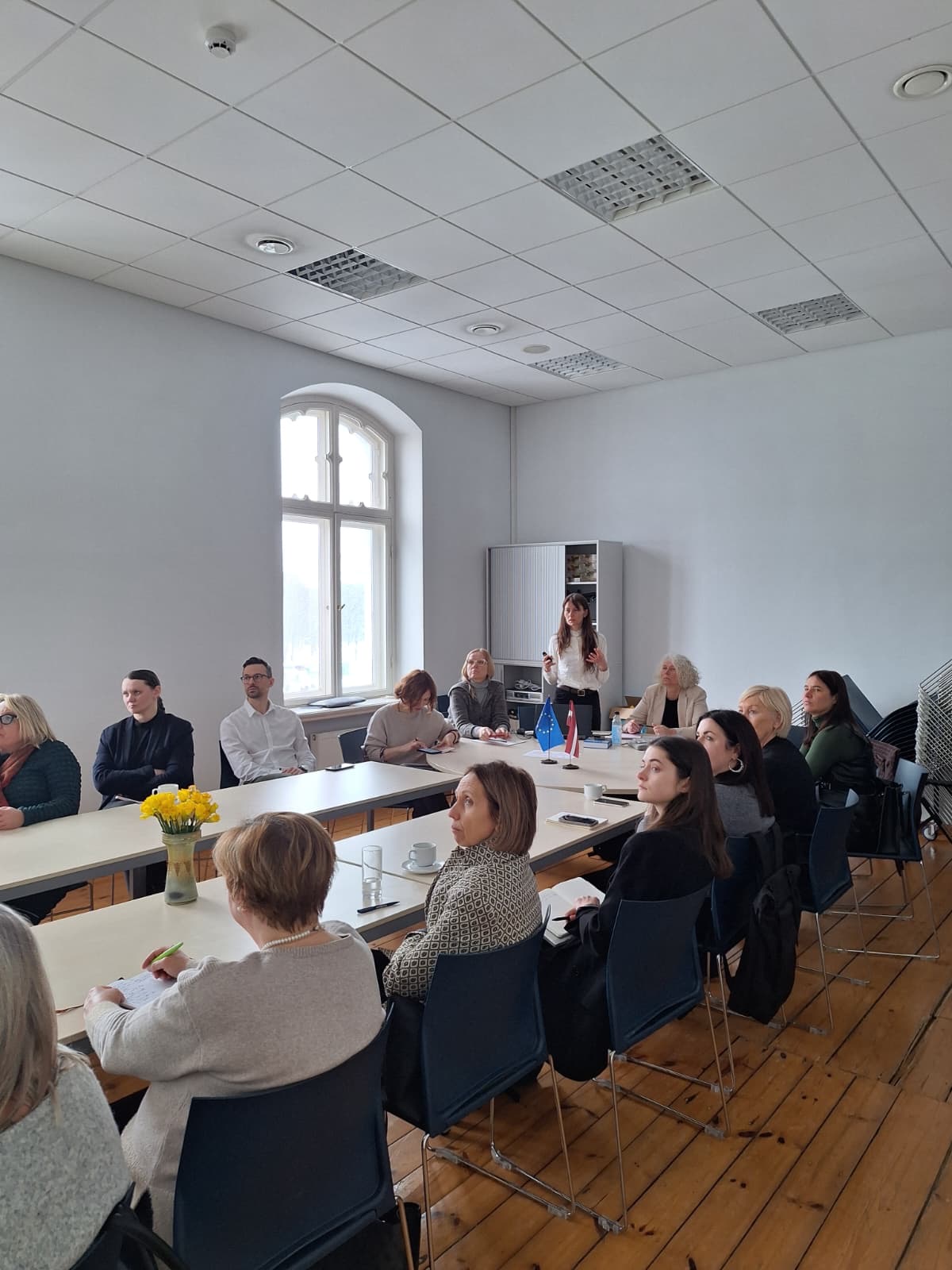
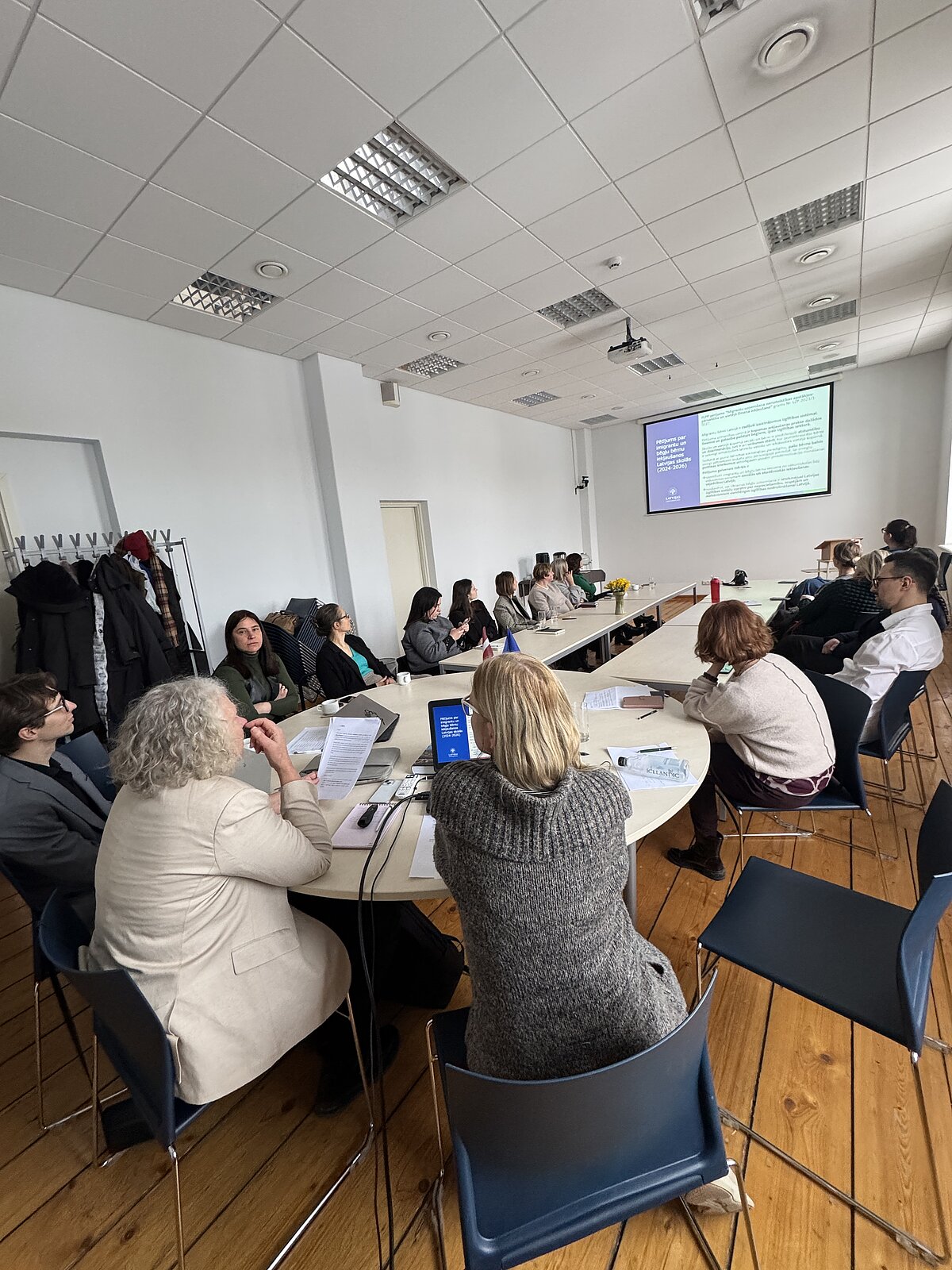
The event brought together more than 25 experts from various Latvian organisations to exchange experiences and discuss current developments regarding support for refugee and migrant integration in education, both in Latvia and across Europe. Participants included policy makers, practitioners, NGOs, and Ukrainian community representatives in Latvia from the Ministry of Education and Science, the Ministry of Welfare, the Society Integration Foundation, UNHCR, the Agency for International Programs for Youth of Latvia, the State Employment Agency, PROVIDUS, the UL Institute of Philosophy and Sociology, and municipalities. The event presented the achievements of the SIRM project over the three-year period, its results and benefits, including the improved strategy and approach of Saulkrasti Municipality in working with refugees and migrants, particularly with children and young people who were forced to leave their homes in Ukraine without parental accompaniment.
Building on Latvia's good practice experience – the Society Integration Foundation's "One-Stop Agency" model – the approach has inspired policy changes in two SIRM partner countries: the Municipality of Brindisi (Italy) and Šibenik (Croatia), where similar "one-stop shop" or "help desk" advisory support points have been established.
The event featured presentations on the experiences of various European countries and regions regarding the integration of children and young people in schools. Participants highlighted similarities between Latvia and Poland. Latvian experts also expressed interest in learning about the experiences of Polish municipalities and regions in utilising state support measures for student assistance and integration.
Poland currently has more than 295,000 Ukrainian pupils enrolled – 84% of all foreign students in the country. Since September 2024, school attendance in Polish schools has been compulsory for Ukrainian refugee children. The government programme "School for All", with a budget of approximately €118.5 million, provides intercultural assistants, psychological support, and teacher training. In Slovakia, UNHCR, in cooperation with the Prešov Self-Governing Region, is implementing several good practices – ranging from data collection and registration support to sports activities in schools and higher education scholarships.
Researchers from the UL Institute of Philosophy and Sociology presented the findings of their study "Inclusion in Conditions of Uncertainty – Research Findings on the Educational Experience of Ukrainian Refugee Children in Latvia (ReCOM)".
The event concluded with a roundtable discussion to exchange views and debate the key findings from the presentations, as well as to compare Latvian experience with that of the SIRM regions.
The SIRM Project and Latvia's Role
SIRM (Social Integration of Refugees and Migrants) is an Interreg Europe programme project with 9 partners from 8 countries, led by the Rzeszów Regional Development Agency in Poland. The University of Latvia represents Latvia in the project and focuses on strengthening the integration of Ukrainian war refugees at the national and municipal level. Within the project, a good practices database and a white paper on refugee socio-economic integration issues are being developed.
About the SIRM Project
Further information is available at: www.interregeurope.eu/SIRM and www.lu.lv/cets/research/euproject/sirm/
 hosted a Regional Dissemination Event and Stakeholders' Group Meeting dedicated to refugee and migrant education as the foundation for integration, including the experiences of Ukrainian children and young people in Europe and Latvia. The event was organised by the Academic Centre for European and Public Affairs Studies (ESASAC) of the UL Faculty of Economics and Social Sciences within the framework of the Interreg Europe project SIRM, in cooperation with the ReCOM project of the UL Institute of Philosophy and Sociology (IPS).)