CONFERENCE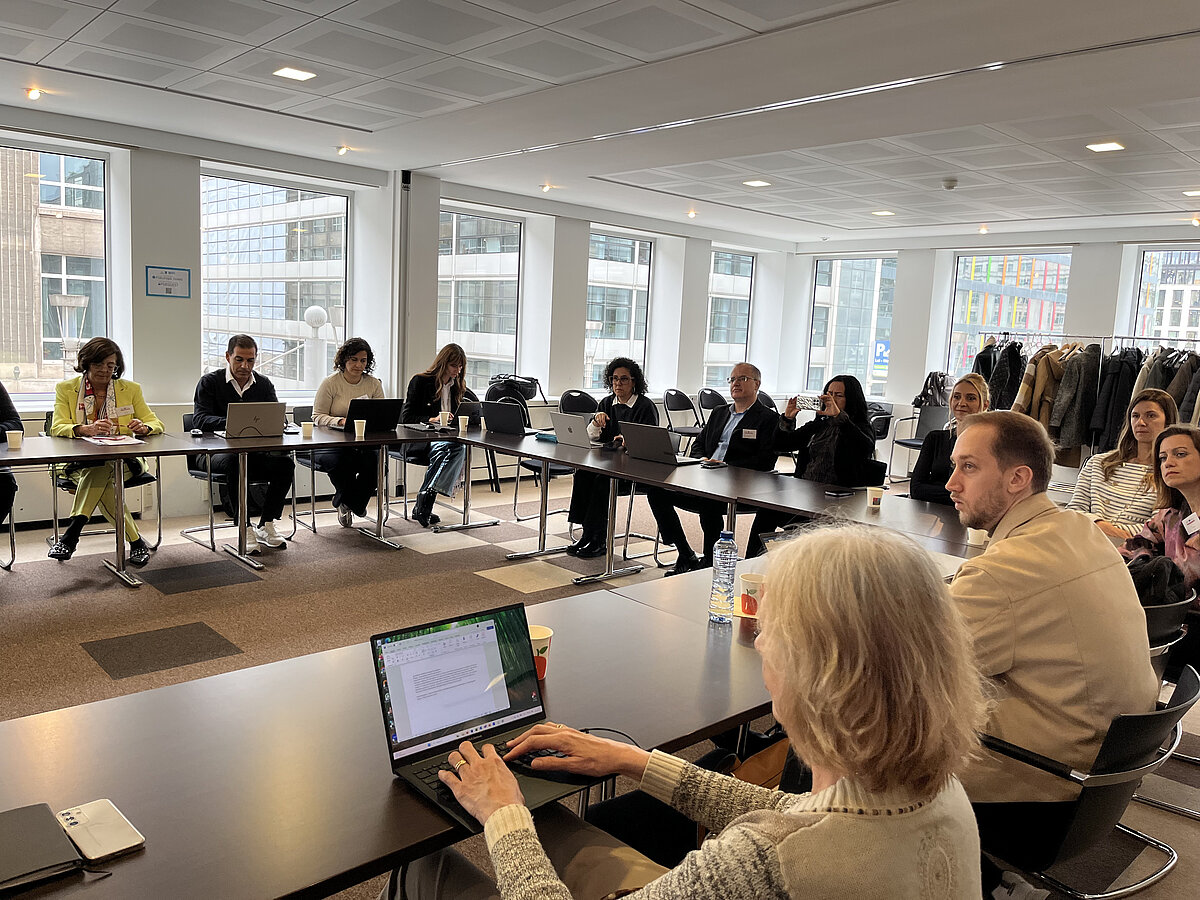
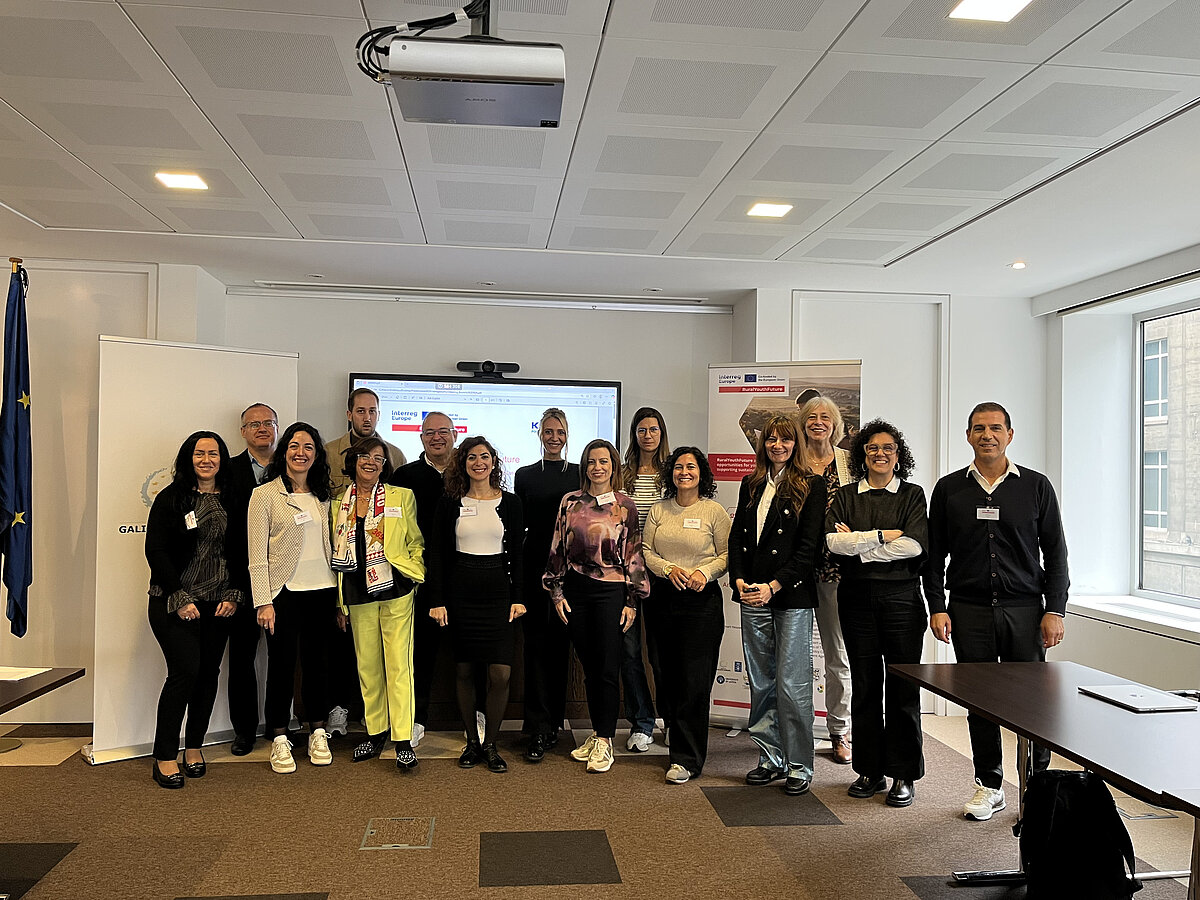
The seminar was opened by Ilaria Ramaglioni, representative of the Interreg Europe Programme Joint Secretariat, who highlighted the successful cooperation of the project partnership and their collective contribution to the development and implementation of effective youth policies across various European regions.
European Initiatives in Support of Rural Youth
The introductory session featured two significant European initiatives aimed at rural youth and regional development. Urszula Budzich Tabor, Vice-President of LDnet and Board Member of the Polish Rural Forum, presented the activities of the Rural Pact Support Office (RPSO). The primary function of this office is to support policy makers and rural stakeholders by facilitating the exchange of good practices, knowledge transfer, and networking, as well as monitoring stakeholders' commitments to implementing the Rural Pact, thereby contributing to sustainable policy development in European rural areas.
Adriana Borsellino, Policy Officer at the Rural Youth Europe Network (RYE), shared her experience on how targeted policy interventions can empower young people in rural areas. RYE is a European umbrella organisation that has been uniting rural youth organisations since 1957, representing their interests at the European level. Latvian organisations Mazpulki and the Young Farmers' Club are active participants in this network.
Good Practices and Experience Exchange
The subsequent sessions were dedicated to discussions on the RuralYouthFuture regions' experience in improving youth policy, identifying transferable good practice examples, and the challenges associated with their implementation. From the Latvian perspective, the following examples were particularly well received:
The remote work and learning platform GO REMOTE (currently operating as Darbe.lv);
The rural youth entrepreneurship programme "Laukiem Būt!" (Rural to Be!).
These initiatives have inspired several partners to develop similar programmes or enhance existing ones.
In turn, Latvia drew inspiration from several examples from other countries:
The youth development programme in culture and leadership "Tartu Extended 2024";
The Porto Metropolitan Area project "Youth Monitor", which ensures youth policy planning and evaluation at the metropolitan level;
The science education promotion programme of Amarante Municipality (Portugal) — the Gomes Teixeira Science Academy, which strengthens young people's scientific literacy, local engagement, and regional retention.
One of the key conclusions from the discussions was that in several RuralYouthFuture partner regions, including Latvia, the opportunity to strengthen mutual cooperation at the national and local level was particularly valued. This included getting to know and establishing contacts with other organisations and initiatives in the youth field, gaining a broader understanding of the diverse activities already being implemented in Latvia, and identifying the needs of other municipalities or regions and potential directions for cooperation.
The RuralYouthFuture project is being implemented with the aim of strengthening policy instruments and promoting cooperation between regions to create a favourable environment for youth development and participation in rural areas across Europe.
More Information
Denīze Ponomarjova, Project Manager, UL ESASAC: denize.ponomarjova@lu.lv
Website: https://www.interregeurope.eu/ruralyouthfuture
Project page at the UL website: https://www.lu.lv/cets/research/euproject/rural-youth-future/
Project page on LinkedIn: https://www.linkedin.com/company/rural-youth-future/
Project page on Facebook: https://www.facebook.com/ruralyouthfutureproject/