CONFERENCE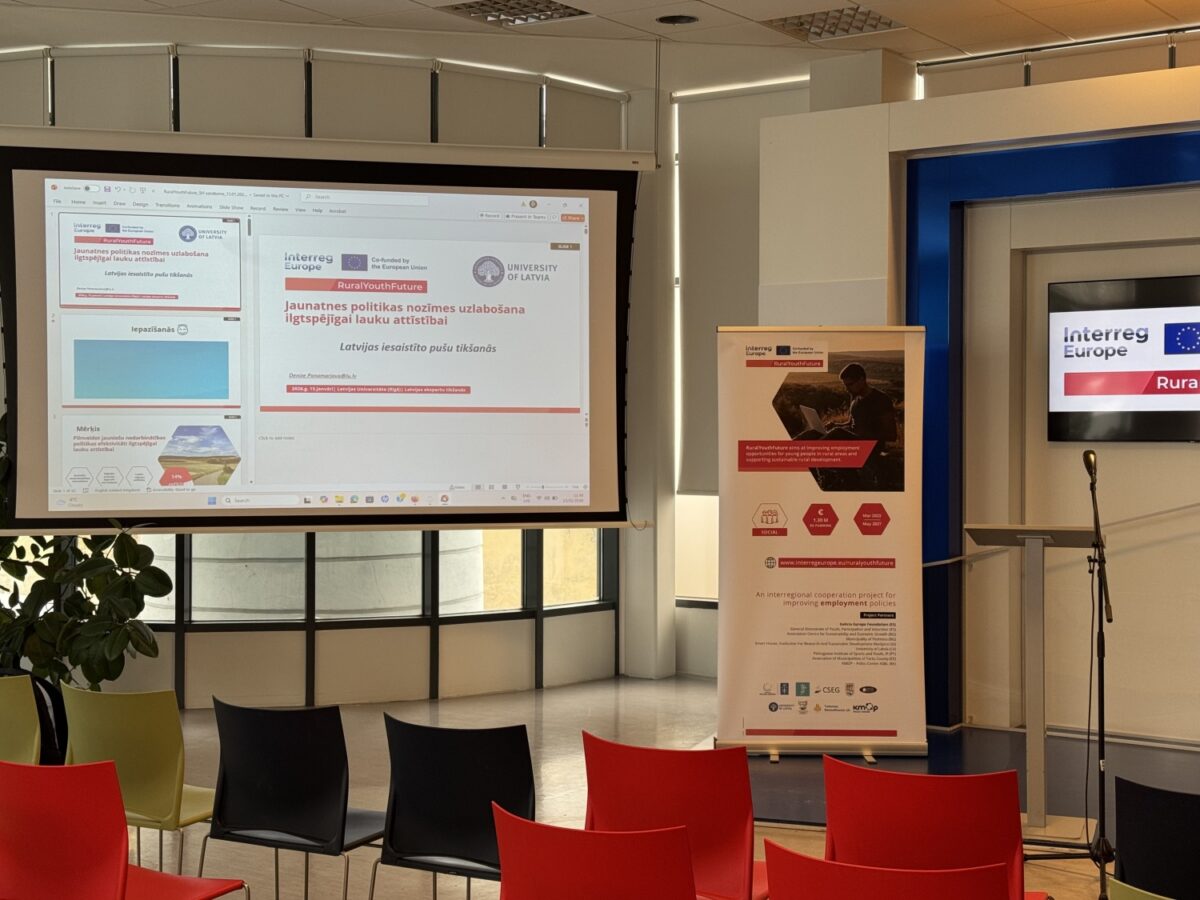
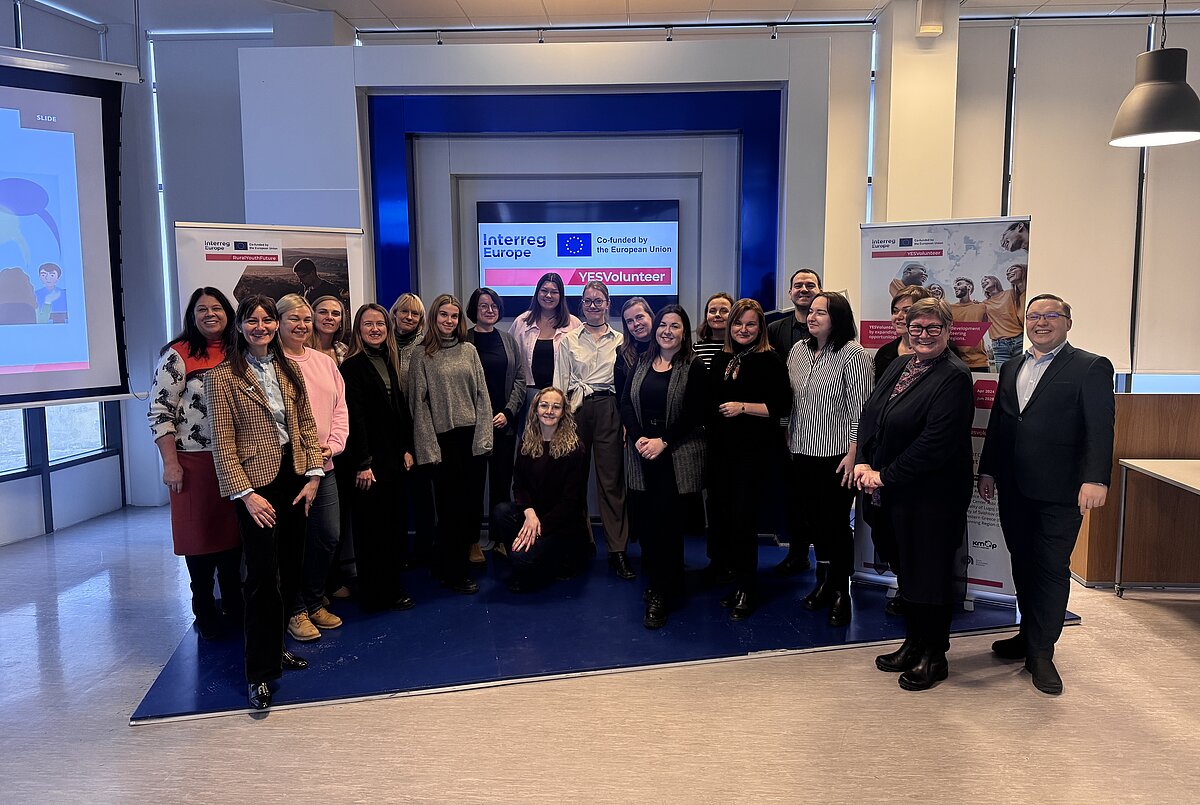
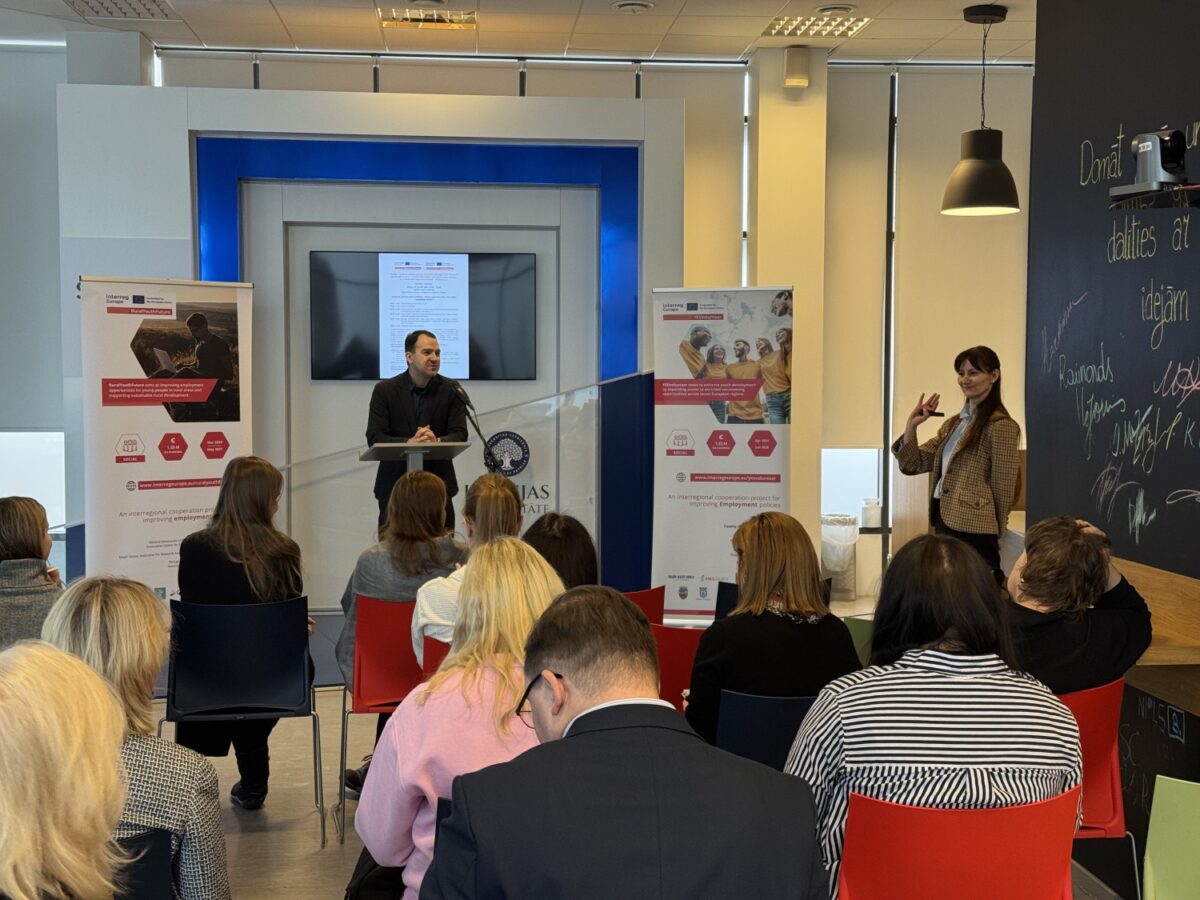
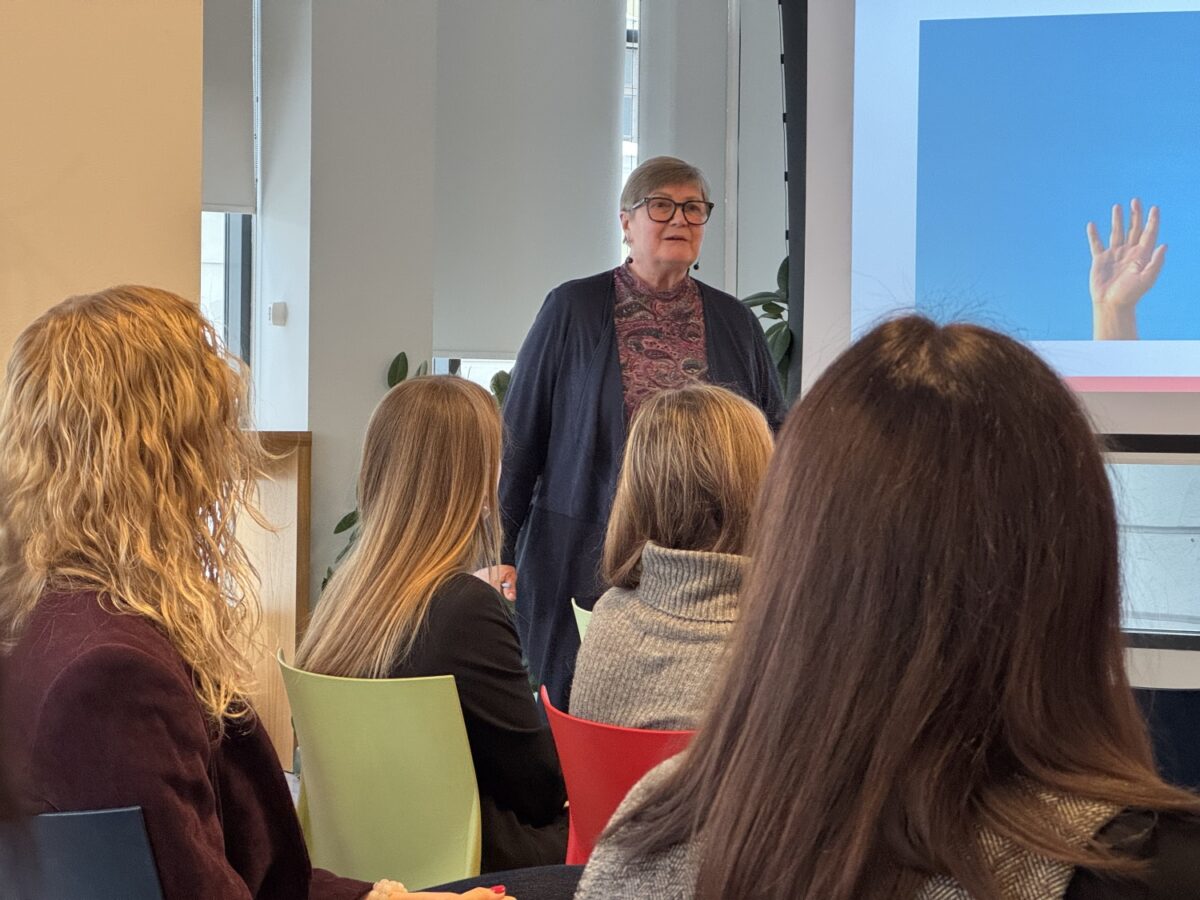
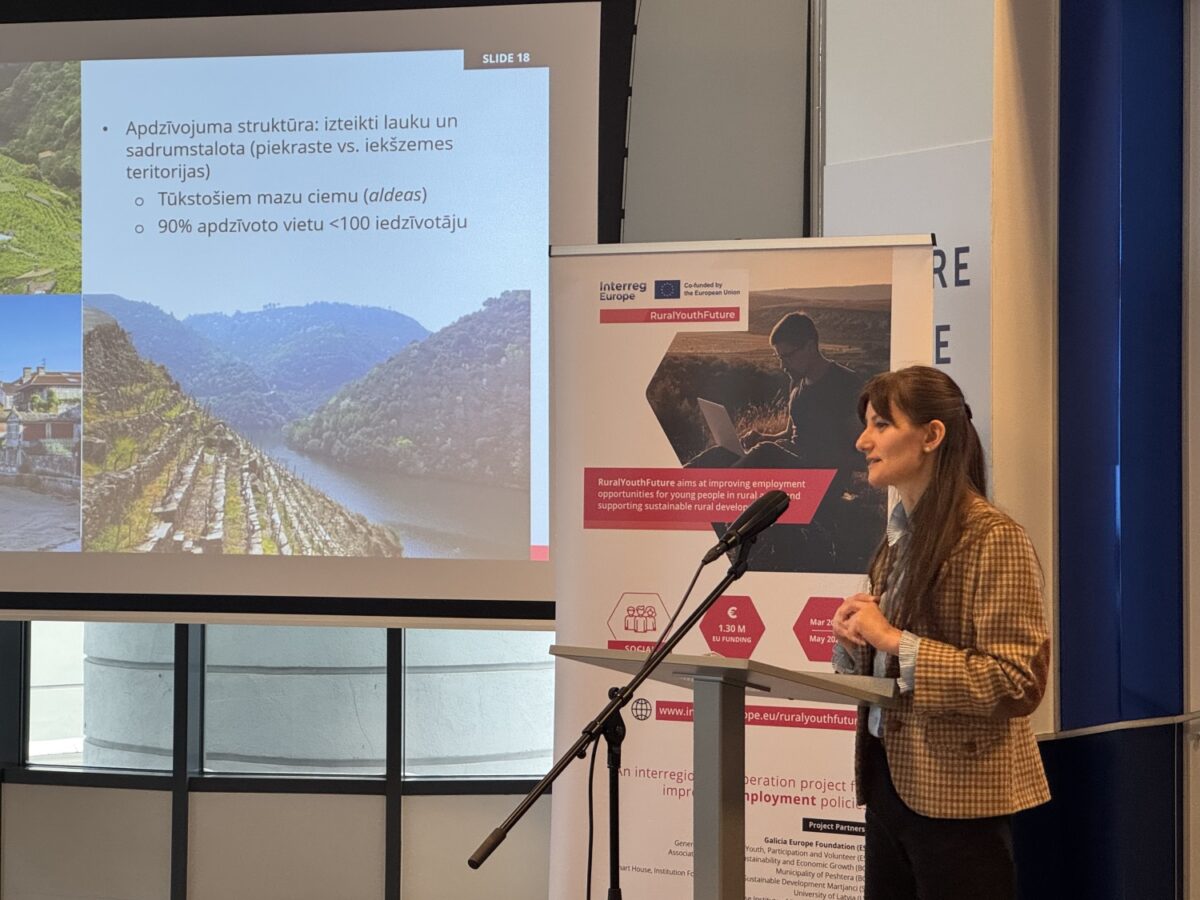
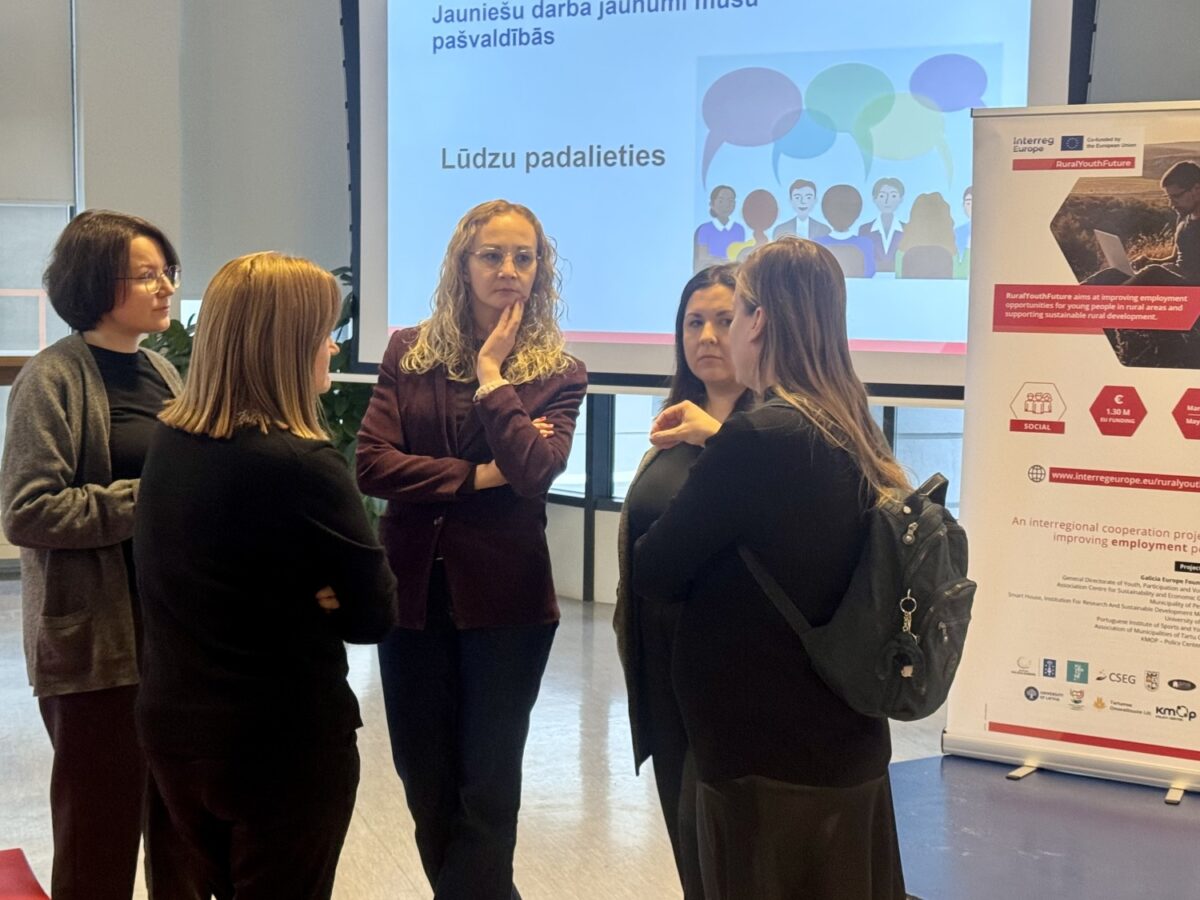
The seminar brought together the Ministry of Education and Science, the Agency for International Programs for Youth of Latvia, and the Ministry of Welfare, as well as organisations related to rural youth and municipalities of the Riga Planning Region. This joint platform enabled discussion of various approaches to youth work in Riga, the Riga metropolitan area, and rural territories.
The first part of the event provided an overview of the RuralYouthFuture project's achievements and benefits. Participants were broadly introduced to Good Practice examples from Spain's Galicia region in activating and supporting young people, specifically those from rural areas.
The main focus was on the ESF+ employment promotion programmes implemented by the Galician regional government – Youth Mentoring (Xuventude Mentoring) and Youth Mentoring in Business (Xuventude Mentoring na Empresa). These programmes provide counselling, training, or internships to young people aged 18–30 who are seeking their first job, offering practical support for entering the labour market.
As an easily implementable idea with low costs and high impact, participants learned about the "Digital Young Ambassadors for SMEs" (DYAS) project. It provided young people aged 18–30 with training in digital marketing and social media management, along with a two-month internship in local businesses. By becoming digital ambassadors, DYAS project participants improved the online presence and digital strategies of rural businesses in Galicia.
Participants were also introduced to an innovation example in the agricultural sector. The startup Innogando develops technological solutions for improving livestock farm management. The company's main product, Rumi, is a smartwatch for cows that provides real-time data on animal location, activity, and health status, aggregating this information in a mobile app. Innogando exemplifies how innovations in rural areas create jobs for young people and promote rural life as a future perspective.
The seminar continued with a discussion of YESVolunteer project good practices that could be adopted from partner countries. Stakeholder group representatives shared the practices of Riga and Riga metropolitan area municipalities in working with young people, approaches to organising volunteer work, engagement mechanisms, and cooperation with local organisations.
The concluding part featured a discussion on the contribution of both projects to youth work at local and international levels, emphasising the importance of experience exchange and cooperation opportunities among the involved institutions.
Several key insights regarding rural youth needs emerged from the discussion:
The digital divide – infrastructure gaps in remote regions continue to limit young people's access to remote/digital work and learning opportunities (e.g., insufficient internet coverage in some areas and lack of digital devices).
The limited transport accessibility – infrequent public transport services and weak connectivity between municipalities make it difficult for young people to reach educational institutions, potential workplaces, and youth services.
Availability of youth services – several municipalities lack youth centres, meaning local-level activities are not equally accessible to all young people, particularly in more remote areas.
Participants emphasised that practical support combined with active youth engagement is an essential prerequisite for enabling young people to participate and shape the future of their communities.
The RYF project aims to promote youth education and employment, with a particular focus on those living outside major cities by helping to improve existing policies and programmes and developing new initiatives. The partnership comprises local authorities, public institutions, and non-profit organisations from seven countries: Spain, Bulgaria, Slovenia, Latvia, Portugal, Estonia, and Belgium.
More about Rural Youth Future: www.interregeurope.eu/ruralyouthfuture; https://www.lu.lv/cets/research/euproject/rural-youth-future/