
 CONFERENCE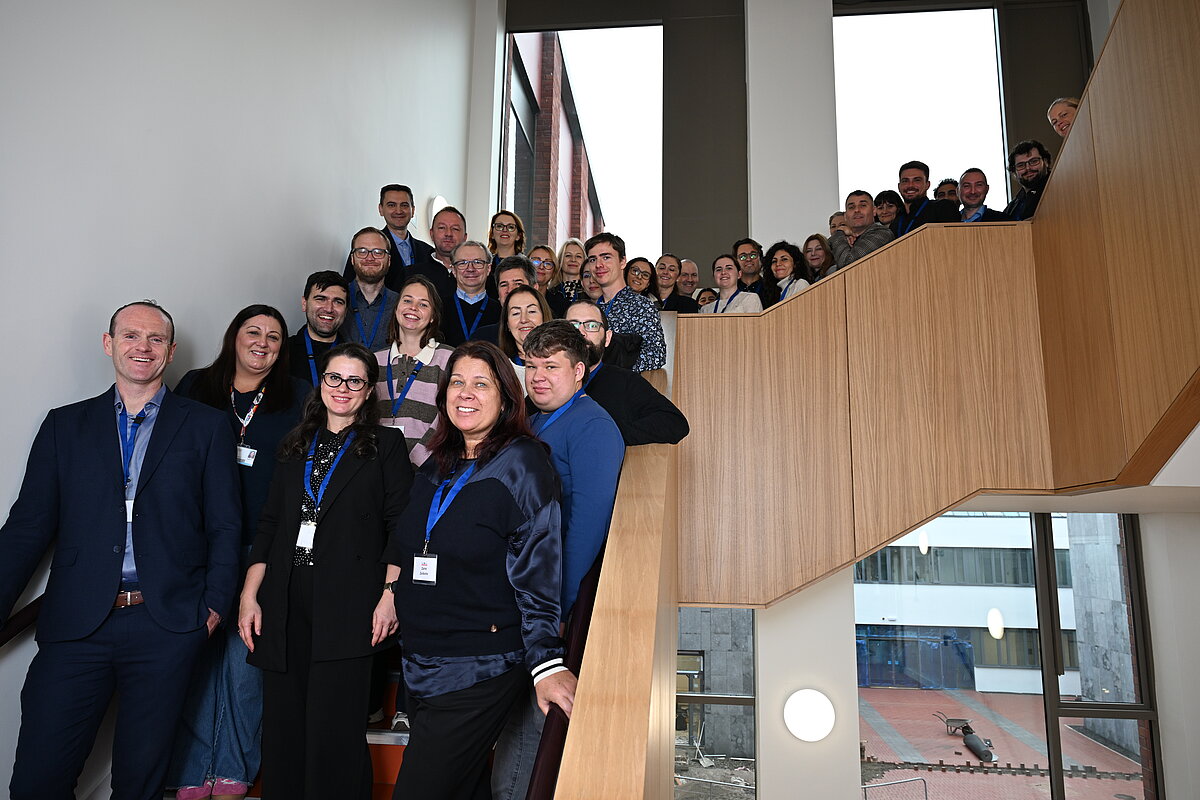
Over the past centuries, Ireland has transformed from a traditional emigration country into a major immigration destination. Since 2022, migration flows have reached historically high levels, driven both by labor demand and the need to provide protection on humanitarian grounds. Over 100,000 Ukrainian refugees have sought asylum in Ireland, and the total number of immigrants is projected to approach 150,000 in 2024, according to data from the Central Statistics Office of Ireland.
To streamline administrative procedures, Ireland has introduced a “safe countries” list (based on the International Protection Act 2015), allowing for accelerated processing of international protection applications from specific countries and assigning interview dates on the day of submission, significantly reducing waiting times.
Cork, the country’s second-largest city, has developed a stable support system for the reception of refugees, asylum seekers, and migrants over the past two decades, implementing both state-provided support programs and diverse community-based initiatives to promote employment and social inclusion, including musical, and sports activities.
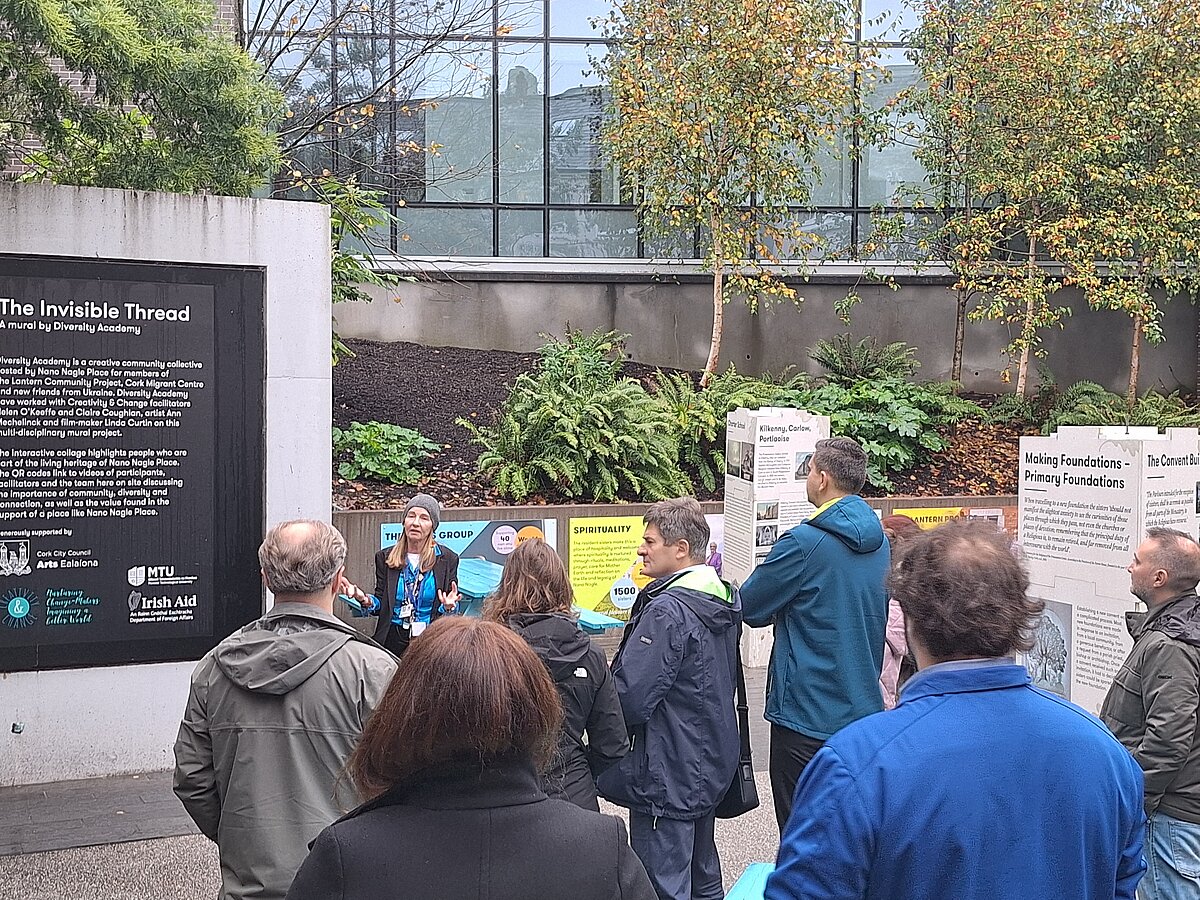
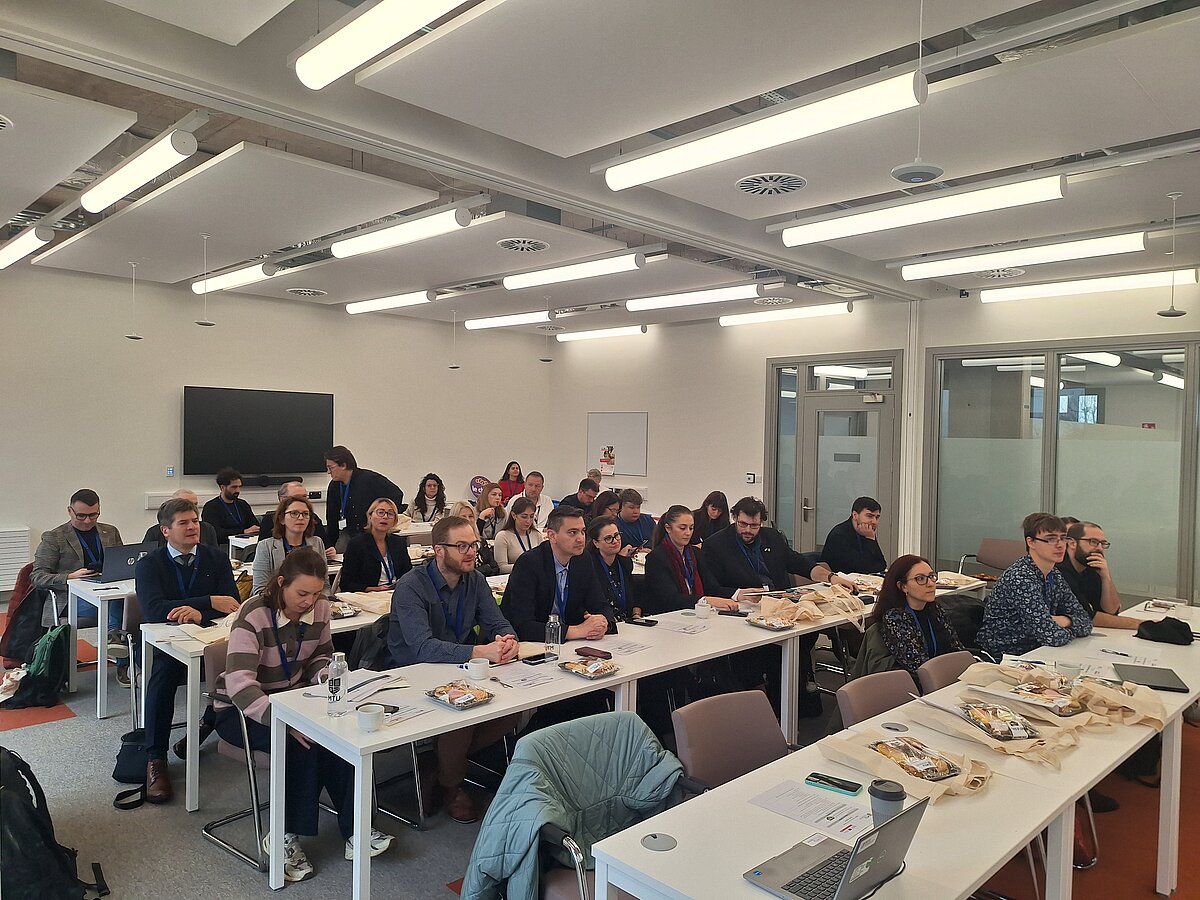
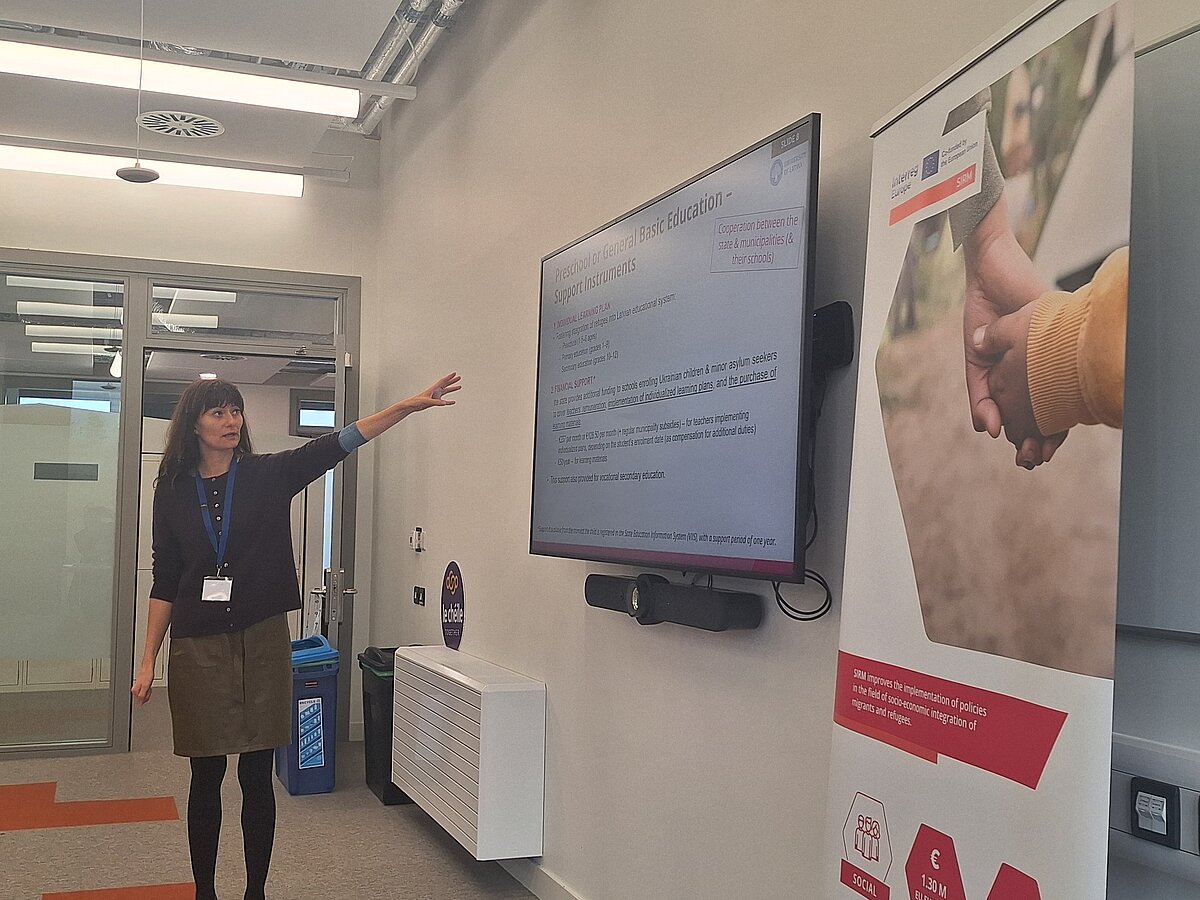
The SIRM Transnational Learning Meeting combined with Study Visit (TLM & SV) aim to facilitate cooperation among partner countries and exchange experiences on current challenges and solutions in refugee and migrant reception, as well as effective support initiatives. The Ireland visit focused on access to education and its role in integration, as well as Cork’s experience in welcoming refugees from Ukraine and other third countries. The two-day visit, featuring thematic presentations, meetings, and organizational visits, was organized by partners from Munster Technological University (MTU).
Several notable good-practice examples promoting refugee, asylum seeker, and migrant integration in Irish society, education, business, and cultural life were presented to SIRM partner. Participants were introduced to initiatives related to business development, community integration, and creative activities, including:
- The first online self-employment and entrepreneurship course for refugees and migrants in Ireland, offered jointly by the Irish business and investment company Broadlake and Dublin Technological University (TUD);
- The “Creative Communities” initiative by Cork County Council, promoting creative skills and inclusive societies;
- The Cork Local Sports Partnership, which fosters diversity and inclusion through sports;
- The music project “A Journey into DJ Culture & Beat Making.”
Support mechanisms related to institutional assistance and housing provision were also presented, including:
- the Cork Migrant Centre, offering free and confidential immigration consultations, access to public services, and social support;
- the Irish Refugee Council, which plays a key role in refugee support nationwide;
- the housing renovation initiative “DIYSOS ‘Build for Ireland’,” implemented within a local TV reality show, which renovated six historic homes for Ukrainian refugees at Kingston College, Mitchelstown, rapidly mobilizing local communities, businesses, and volunteers.
The exchange of experiences and discussions on education policy in the context of refugee and migrant integration highlighted that all participating countries face similar challenges and adopt comparable approaches to address them. Notably, the SIRM partnership’s exchange also facilitated the knowledge transfer among partner countries. For example, the Municipality of Brindisi, Italy, drew on the Latvian SIF experience with temporary protection (TP) to establish an information desk for newcomers, while Latvia drew inspiration from Poland, which actively implements diverse support activities in schools, including integration camps for children and assistance in the learning process.
Poland’s experience in refugee education
Poland has around 21,000 educational institutions, 67% of which enroll students of foreign nationality (52,500 children, 84% are from Ukraine), as reported by representatives of the Rzeszów Regional Centre for Social Policy. Similar to Latvia, several support measures are provided to foreign students (for up to 12 months):
- free additional Polish language classes individually or in groups;
- teaching assistants fluent in the student’s native language;
- extra support hours in academic subjects to help students achieve required proficiency.
Other practices include the employment of intercultural assistants to help students integrate into school environments, as well as preparatory classes designed to adapt the learning process to students’ abilities and needs, including psychological support. Classes continue until the end of the academic year, with flexible duration, accommodating up to 15 students per class.
Slovakia’s experience in refugee education
Since February 2022, over 3.5 million Ukrainian refugees arrived in Slovakia. By September 2025, over 137,000 refugees were residing in the country under active temporary protection (TP) (around 41,000 children,or 30%). Of these, 10,700 children were enrolled in state educational institutions, while many thousands remained outside formal education and unregistered. Similar to Latvia, children under TP in Slovakia are not legally required to attend local schools.
To address this situation, the UNHCR Slovakia collected data from hundreds of refugee families seeking school enrollment assistance for 2023/2024 and 2024/2025. The data were shared with the Ministry of Education and the National Institute for Education and Youth, allowing regular communication with parents on changes and enrollment procedures. Key challenges included insufficient preschool and school capacity and a persistent shortage of teachers.
Since 2022, the Prešov self-governing region, together with UNHCR and other partners, has been seeking solutions for refugee support refugees, including in education. For example, UNHCR supports the T. Shevchenko Unified School in Prešov—the only Slovak-Ukrainian bilingual school—by providing IT and robotics equipment. Long-term cooperation was formalized in August 2025 through a memorandum of understanding between the Prešov self-governing region and UNHCR.
The SIRM project aims to promote more effective national and regional policies for the social and economic integration of refugees and migrants by improving existing programs or developing new ones. The project is implemented under the Interreg Europe 2021–2027 program with the support of the European Regional Development Fund, with a total budget of €1,785,576. In Latvia, the project focuses on the reception of Ukrainian civilians.
For more information on the project and good practice examples:
www.interregeurope.eu/sirm
 participated in a Transnational Learning Meeting of the “Social and Economic Integration of Refugees and Migrants” (SIRM) project in Cork, Ireland, focusing on refugee and migrant education policy and Cork’s experience in reception, support, and integration practices.)