
 CONFERENCE
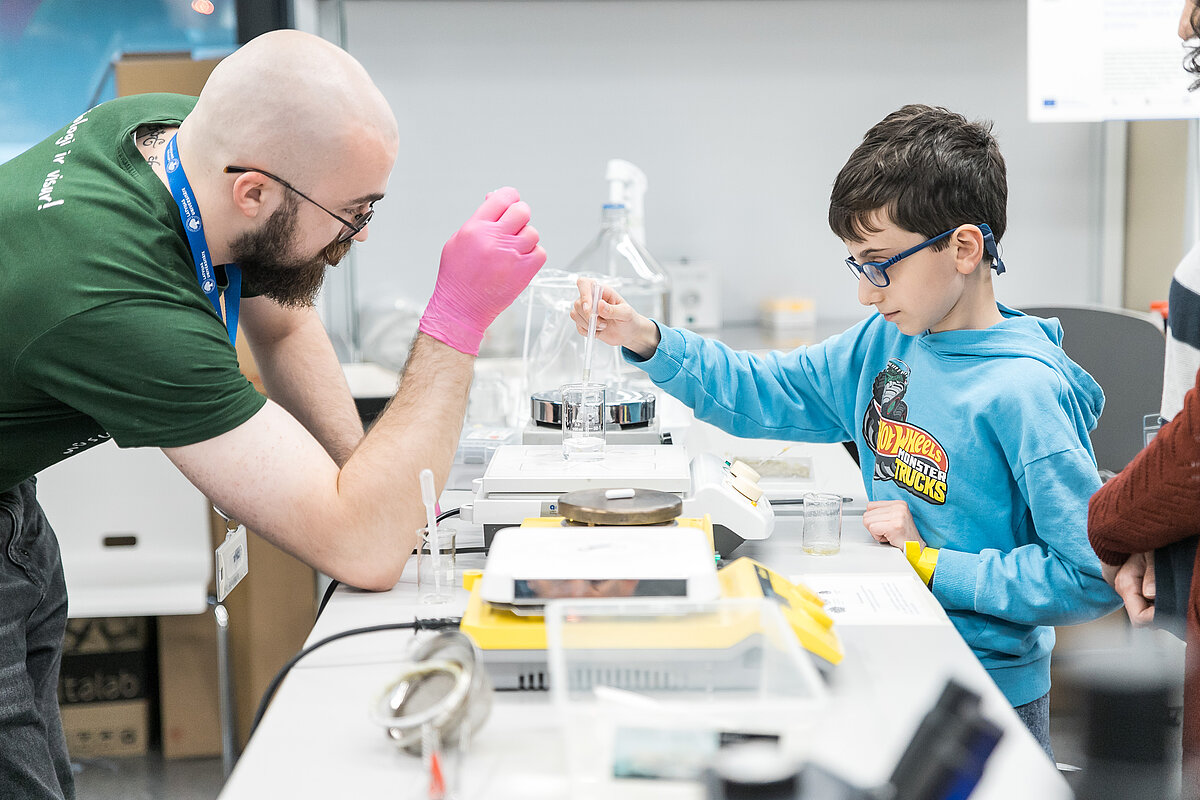
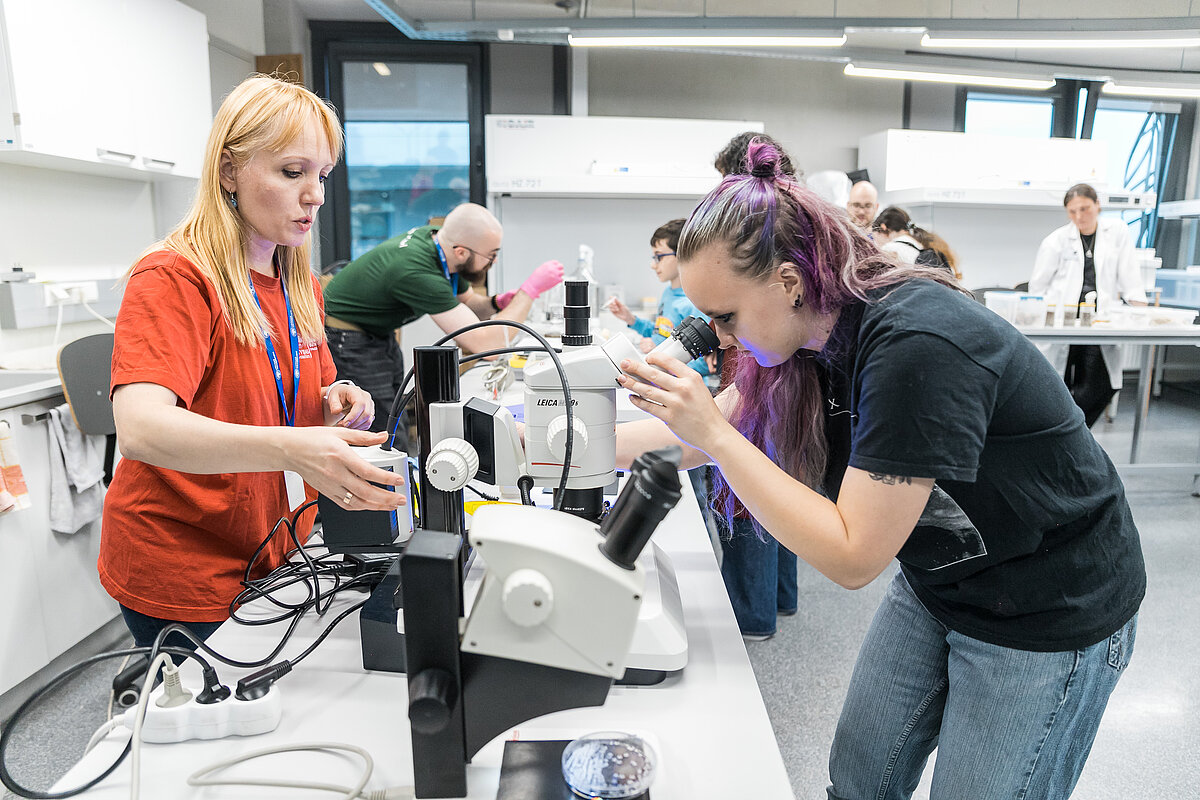
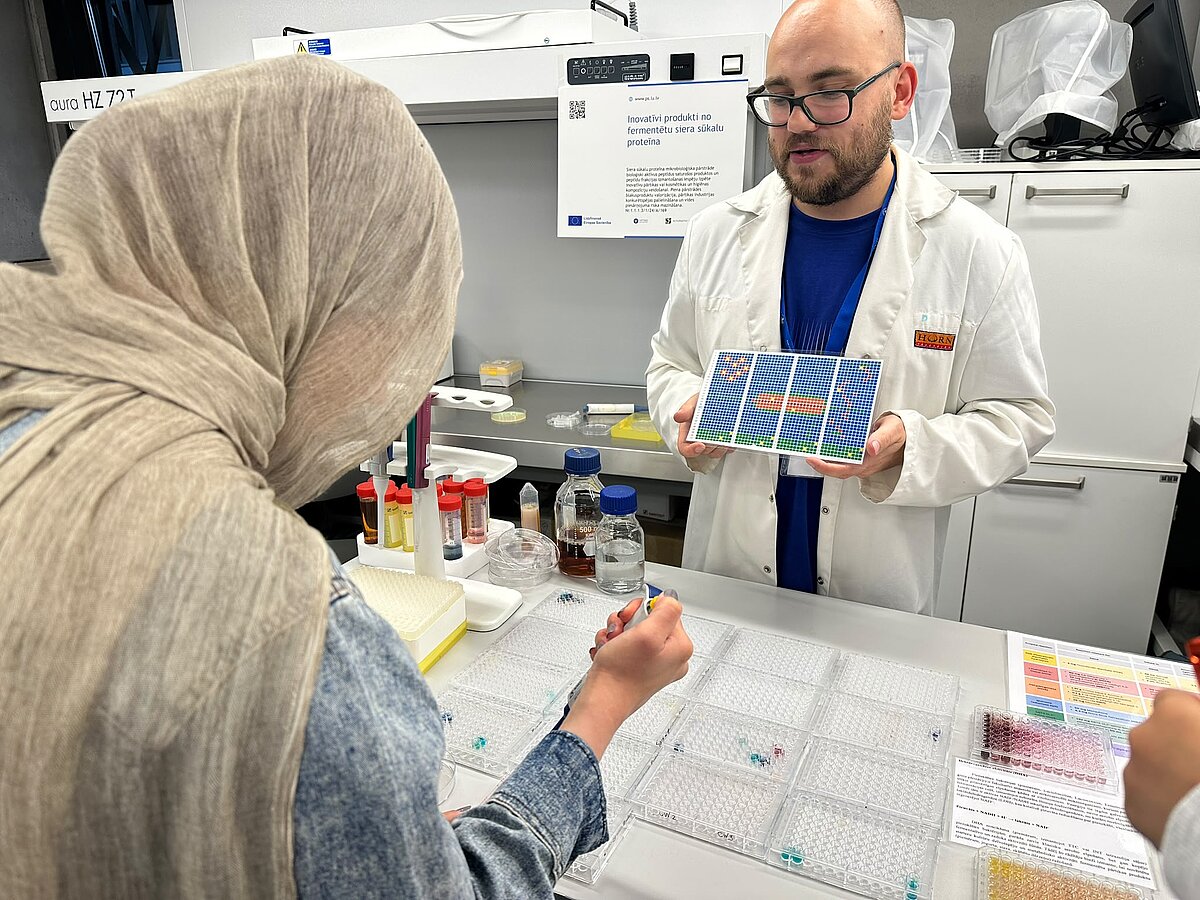
At one of the stations, visitors got acquainted with lactic acid bacteria and their role in the human body and digestive system, as well as their importance in food fermentation processes. It was explained how microorganisms can be used to turn food waste into a valuable and practically applicable product. Participants also learned about enzymatic tests and their significance in research, as they allow the properties of different microorganisms to be determined and compared.
In the Plant Cell Beads activity, visitors could encapsulate plant cells in alginate capsules themselves and then examine them under magnification. The activity demonstrated how plant and bacterial cells are cultivated together and was suitable even for the youngest participants.
Meanwhile, the activity "How does an alga's digital Google Maps work?" showed visitors how a metabolic model is built from genome data, databases and experimental results, where chemical compounds are "cities" and reactions are "roads". Using simple examples, it was demonstrated how computer modelling helps predict algal growth, identify metabolic "traffic jams" and assess the potential of algae for obtaining valuable products.
The event offered a chance to talk with researchers, ask questions and take part hands-on, encouraging visitors to see microorganisms, plant cells and algae as important resources for building a sustainable future.
The activity on the enzymatic activity of lactic acid bacteria is funded by the ERDF project No. 1.1.1.3/1/24/A/169 "Innovative products containing biologically active peptide fractions derived from fermented cheese whey".
The Plant Cell Beads activity is funded by the Latvian Council of Science project No. lzp-2025/1-0098 "Plant cell co-cultivation as a driver for the activation and evolution of bacterial biosynthetic gene clusters".


