
 LU konference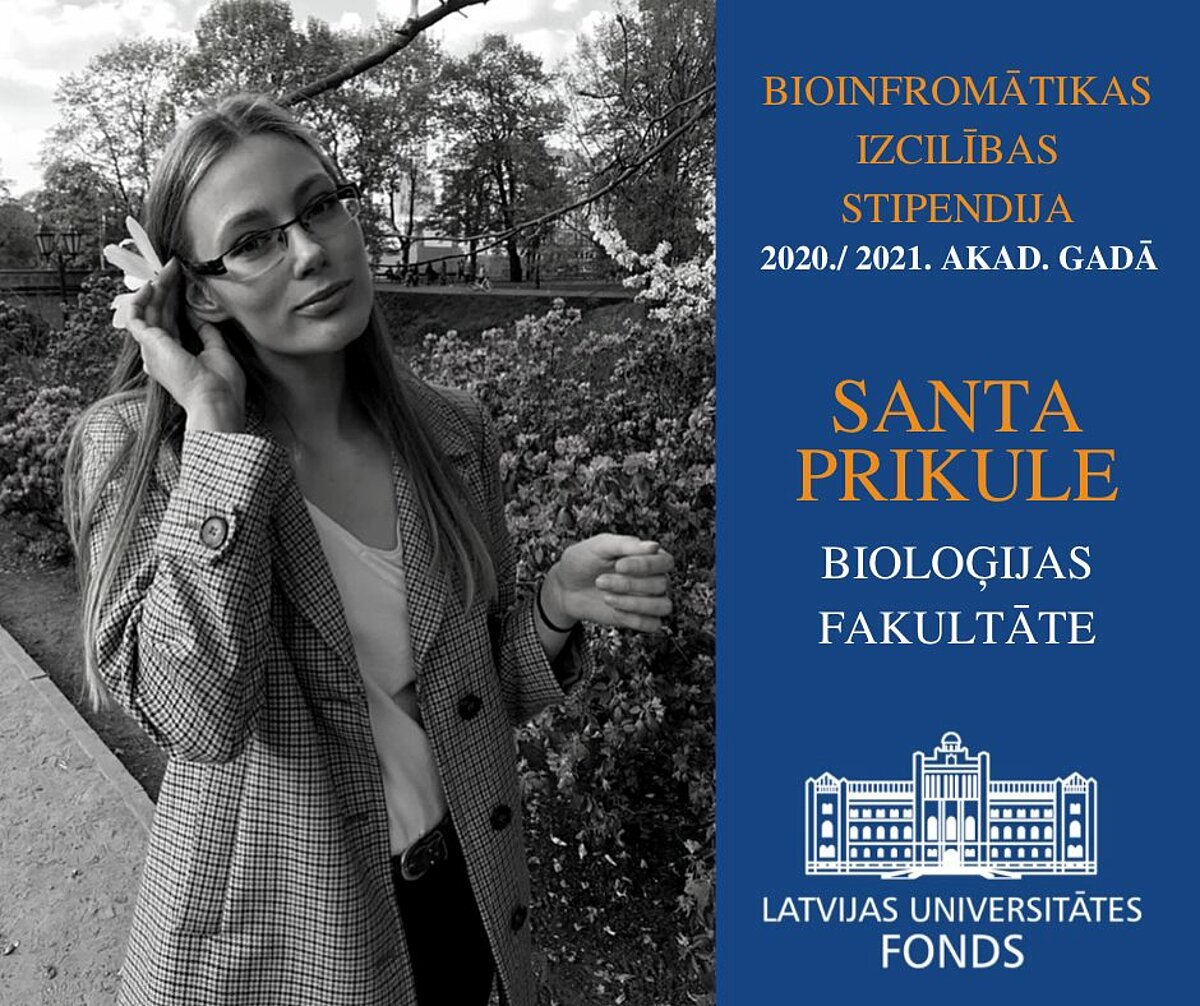
The objective of the project is to establish a process design workflow for biotechnological production including long-term sustainability modelling, microbial strain design and bioprocess development for sustainable bioconversion of industrial biowaste – waste lipids (used cooking oil, animal fats and others) collected from food production and catering industry into highly valuable biosurfactants.
Production of high-volume valuables from high volume waste is where knowledge-based bioeconomy approach has its greatest potential. The global generation of organic waste is dramatically increasing each year. Waste fats, oils, and grease (W-FOG) from food production and catering industry have become a major stream of organic waste in urban areas. According to the EU estimations, each person generates on average 8 litres of used cooking oil per year. The worldwide generation of used cooking oil is about 29 million tons per year. Meanwhile, disposal of W-FOG is challenging, and utilization is limited to bioenergy production. The Waste2Surf project proposes a novel utilization route for W-FOG, i.e. as a low-cost feedstock for production of biosurfactants (BS) – an alternative to non-biodegradable synthetic surfactants synthesized from petroleum, a non-renewable source, through chemical synthesis routes that can be environmentally hazardous.
Surfactants are one of the most important bulk chemicals that are used in almost every product of human daily life – cleaning products, cosmetics, food, pharmaceuticals, etc. In 2024, the global surfactant market is expected to exceed 41 billion euro. The main advantages of BS include their renewable origin, biodegradability, low toxicity, better foaming properties, and stable activity at a wide range of conditions. Considering their advantages BS have a huge market potential, especially when produced from waste.
The main activities of the project will include the development of a novel process design workflow by integrating model-based metabolic engineering of BS producing yeast strains, waste-to-product bioprocess development, and long-term life cycle sustainability assessment of waste-to-product-to-market system. A list of model-based waste bioconversion designs will be delivered ranked according to an integrated criterion considering environmental sustainability, business parameters and social effects. Finally, integration of unconventional separation and aeration techniques into automated bioreactor system will be designed. The bioreactor will be equipped with an advanced model-predictive fermentation control system. As a result, a cost efficient and sustainable system for BS production from W-FOG will be delivered as a new technology prototype (TRL4).
The project idea belongs to our team members Elina Dace and Egils Stalidzans. The project will be implemented by the Computational Systems Biology Group and Laboratory of Yeast Nutritional Physiology in collaboration with the JSC “Biotehniskais centrs”.
The project is supported by the European Regional Development Fund’s Specific Objective 1.1.1 “Improve research and innovation capacity and the ability of Latvian research institutions to attract external funding, by investing in human capital and infrastructure” 1.1.1.1. measure “Support for applied research”.
“Saņemt šo stipendiju ir liels gods. Vēl vairāk par pašu stipendiju mani priecē tas, ka tā ir tieši paredzēta studentiem, kas specializējas bioinformātikā. Tas pierāda, ka šīs jomas attīstība tiek atbalstīta dažādos līmeņos un tās izaugsmes nepieciešamība tiek plaši uzklausīta. Lai gan stipendijas piešķiršanā prioritāte tiek dota studentiem, kuru pētnieciskās aktivitātes saistītas ar onkoloģijas pētījumiem, mani priecē, ka atbalsts tiek sniegts arī citu nozaru studentiem – nākot no biotehnoloģisko pētījumu jomas, varu droši teikt, ka šīs metodes un zināšanas ir plaši pielietojamas un nepieciešamas. Tas var būtiski veicināt plašāku zinātnes attīstību. Metožu pielāgošana dažādu veidu pētījumiem ļauj uzkrāt pieredzi un zināšanas dažādās nozarēs, kā arī ideju attīstība notiek ātrāk un inovatīvāk,” saka Santa.
“Esmu pateicīga Latvijas Universitātes Fondam par darbu stipendiju pārvaldībā un piešķiršanā, kā arī par filantropiskās kultūras attīstīšanu Latvijas sabiedrībā. No sirds pateicos stipendijas patronam, Latvijas uzņēmumam “MikroTik”, ne tikai par ziedojumiem studentu stipendijām, bet arī par visu citu neatlaidīgo un nesavtīgo darbu, atbalstot zinātnes attīstību Latvijā!”
Latvijas uzņēmums “MikroTik” dibināts 1996. gadā un izstrādā vadu un bezvadu tīkla maršrutētājus, tīkla slēdžus, piekļuves punktus un programmatūru to maršrutētājiem.
2020./2021. akadēmiskajā gadā Bioinformatics Excellence Scholarship tika piešķirta pieciem studentiem ar bioloģijas vai datorzinātņu izglītību.
Papildu informācija par MikroTik un Santu Prikuli.
